Close Menu
Indian Textile Journal
  • Home
  • Market and Economy
    • Apparels & Garments
    • Fibres & Raw Materials
    • Home Textiles
    • Industry Update
  • Textile Machinery
    • Allied Equipment and Accessories
    • Automation
    • Dyeing, Processing & Finishing
    • Knitting
    • Printing
    • Spinning
    • Weaving
  • Tech Textiles
  • Sustainability
  • Resources
    • Trade Fair
    • Events
    • Videos
  • Interview & Opinion
  • Subscribe Now
  • Advertise
  • Digital
Facebook X (Twitter) YouTube LinkedIn
Indian Textile Journal
Epson
  • Home
  • Market and Economy
    • Apparels & Garments
    • Fibres & Raw Materials
    • Home Textiles
    • Industry Update
  • Textile Machinery
    • Allied Equipment and Accessories
    • Automation
    • Dyeing, Processing & Finishing
    • Knitting
    • Printing
    • Spinning
    • Weaving
  • Tech Textiles
  • Sustainability
  • Resources
    • Trade Fair
    • Events
    • Videos
  • Interview & Opinion
  • Subscribe Now
  • Advertise
  • Digital
Indian Textile Journal
Home » Why automation matters for Indian textile industry?
Automation

Why automation matters for Indian textile industry?

By May 1, 20211 Min Read
Share Facebook Twitter LinkedIn WhatsApp Copy Link

Despite being the largest producer and second
largest exporter of textiles, India’s share in world textiles and clothing (T&C)
exports is around 5% compared to China’s 38%. While other competing nations
like Bangladesh and Vietnam have increased their share in global T&C in a
short span, India’s share in the global trade has remained stagnant during this
period. The biggest challenge is the global competitiveness. In addition to
access to low-cost raw materials (manmade fibres and filaments) and duty-free
access to all the major markets, the emerging competing countries (like
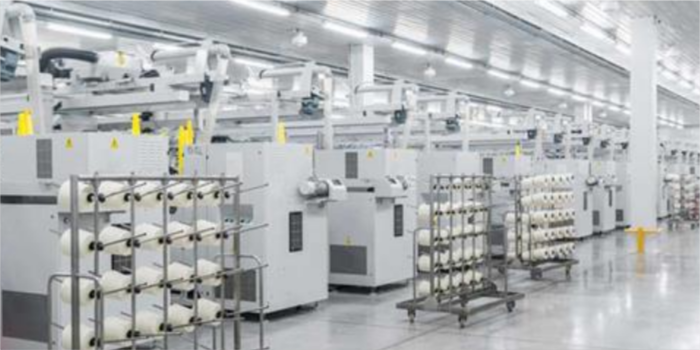
Bangladesh and Vietnam) have invested heavily in modern, state-of-the-art
manufacturing plants to increase their competitiveness.


Table
1: World Export Statistics of Textiles and Clothing (Mn USD)

Country

January – December

Rank

2016

Rank

2017

Rank

2018

Rank

2019

World


7,50,800

7,86,304

8,31,158


8,18,098

China

1

2,55,074

1

2,57,821

1

2,66,421

1

2,60,574

Bangladesh

3

34,980

3

37,067

2

41,296

2

42,932

Vietnam

6

28,703

6

31,810

6

36,661

3

39,424

Germany

Previous ArticleA Ilavarasu: SAA aims to set up wet spinning technology
Next Article LYCRA,ITOCHU lannch fibres made from recycled waste

Related Posts

Atlas Copco RePower Centre boosts compressor lifecycle solutions

June 2, 2026

30,000 RPM Performance Benchmark: LMW LRJ 9 Ring Frame Delivers High-Speed Spinning Excellence At LS Mills

June 1, 2026

How tech-enabled ecosystems are powering the next phase of textile manufacturing

May 29, 2026
Recent Posts
  • Nesterra unveils new collection showcasing timeless luxury and craftsmanship
  • India’s textile sector posts 2.1% growth in FY25-26
  • RSWM retains IND A rating as outlook turns stable
  • Mumbai welcomes back HGH India 2026
  • Vipul Organics teams up with OMYA for European pigment distribution
  • ITM Istanbul 2026: ColorJet’s visibility extends across the entire exhibition
  • CMAI kidswear fair sees record participation 
  • Clean energy shift may save Tamil Nadu textiles Rs 32.50 billion
Facebook X (Twitter) YouTube LinkedIn
  • About us
  • Contact us
  • Privacy Policy
  • Terms and Conditions

SISTER PUBLICATIONS

Construction World Equipment India Industrial Product Finder Infrastructure Today

© 2026 Indian Textile Journal. All Rights Reserved.

Type above and press Enter to search. Press Esc to cancel.