


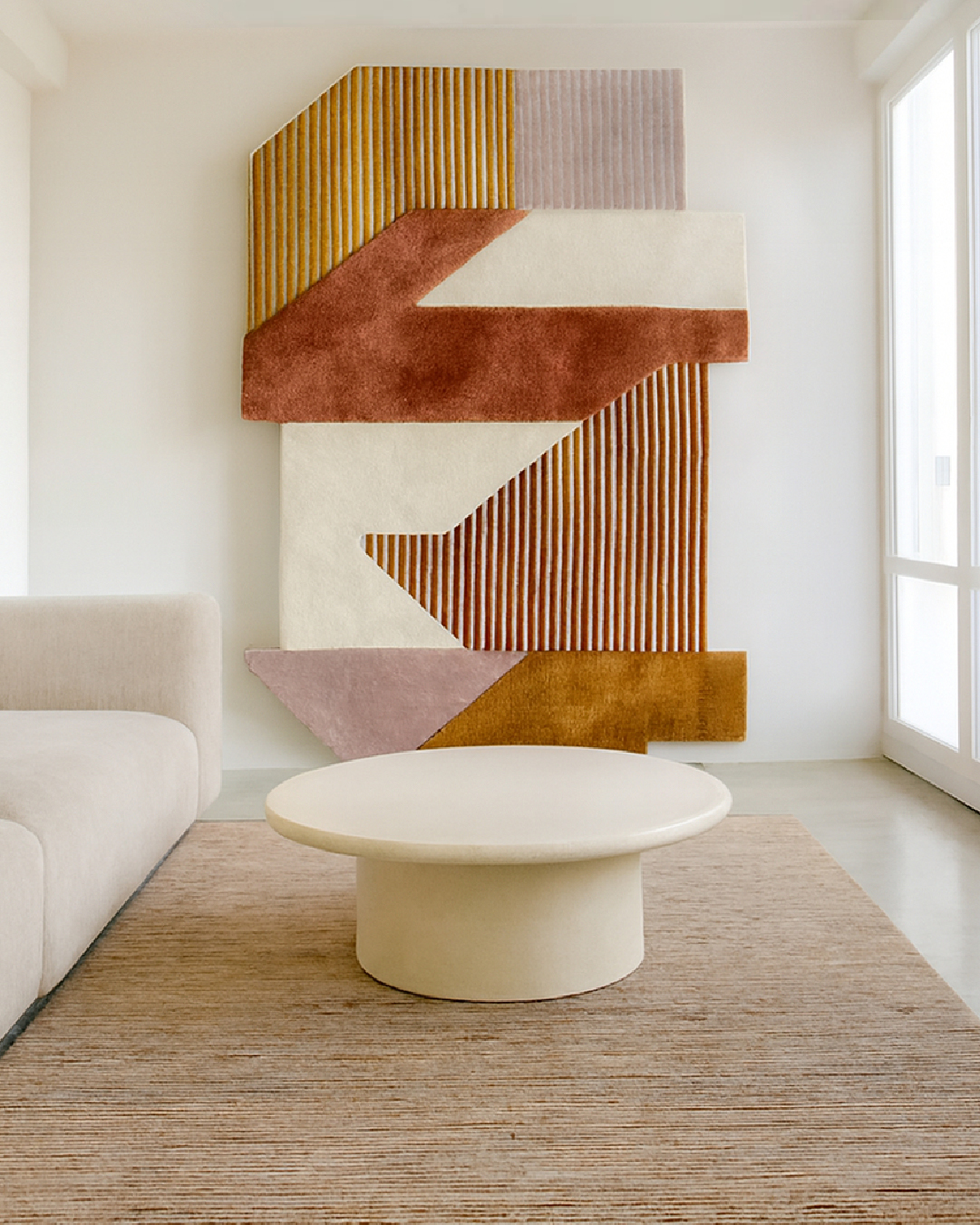
Clean, considered design reduces material use, and at the same time, creates visual calm, shares Smriti Choudhary.
Sustainability, to me, isn’t a choice — it’s a practice. It’s not a design trend or a marketing stance, but a way of thinking and living. Especially in home textiles, sustainability goes far beyond the material or the technique. It’s about intent — why we create, how much we produce, and how consciously we consume.
The truth is, the constant need for newness — the endless cycle of production — is quietly filling up our landfills. Every product made without thought eventually adds to waste somewhere in the world. The most sustainable thing any of us can do is to simply consume less. To pause before we buy, to choose better, and to create things that last. Growth, today, should not mean producing more — it should mean producing with meaning.
I’ve always believed that sustainability starts at an individual level. It’s not a collective slogan, but a personal responsibility. As designers, craftsmen, and consumers, the small choices we make every day add up. At Cocoon, this belief shapes everything we do. We choose natural fibres, vegetable dyes, and traditional hand-knotting techniques that inherently minimise waste. But more than that, we value restraint — creating fewer pieces that carry greater purpose.
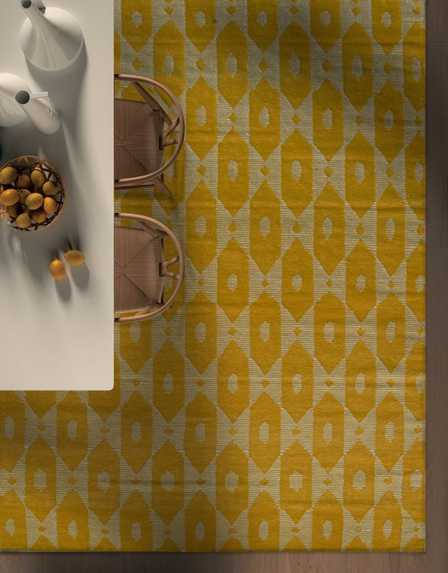
Natural dyes, made from plants and minerals, have a beautiful imperfection — they age gracefully.
Even the way we look at colour is changing. There’s a quiet shift towards tones that feel rooted — earthy neutrals, moss greens, warm clays, soft sands, deep indigos. These colours calm the eye and connect us to nature. They don’t chase trends; they outlast them. Natural dyes, made from plants and minerals, have a beautiful imperfection — they age gracefully, just like handmade pieces do.
We’re also learning to work with what already exists. Re-dyeing, over-dyeing, and reimagining older textiles can give them a completely new life. It’s about embracing circularity — thinking of design as something that evolves, not expires.
In prints and patterns too, there’s a shift from excess to essence. We’re seeing a return to authenticity — handwoven textures, block prints, tribal and traditional motifs that tell a story. These are processes rooted in time, craft, and culture. They remind us that slow can be beautiful.
Minimalism plays a big role here — not just as a visual style, but as a mindset. Clean, considered design reduces material use, and at the same time, creates visual calm. There’s also something deeply honest about embracing imperfection — the uneven dye, the slightly irregular weave — they tell you that a human hand was involved.
About the author:
Smriti Choudhary joined the Cocoon team in 2018 as Brand Director. After having finished her Master’s in Marketing from the University of Nottingham, UK, Smriti worked with a leading fashion house in Mumbai as the head of Marketing and PR for over 2 years.