


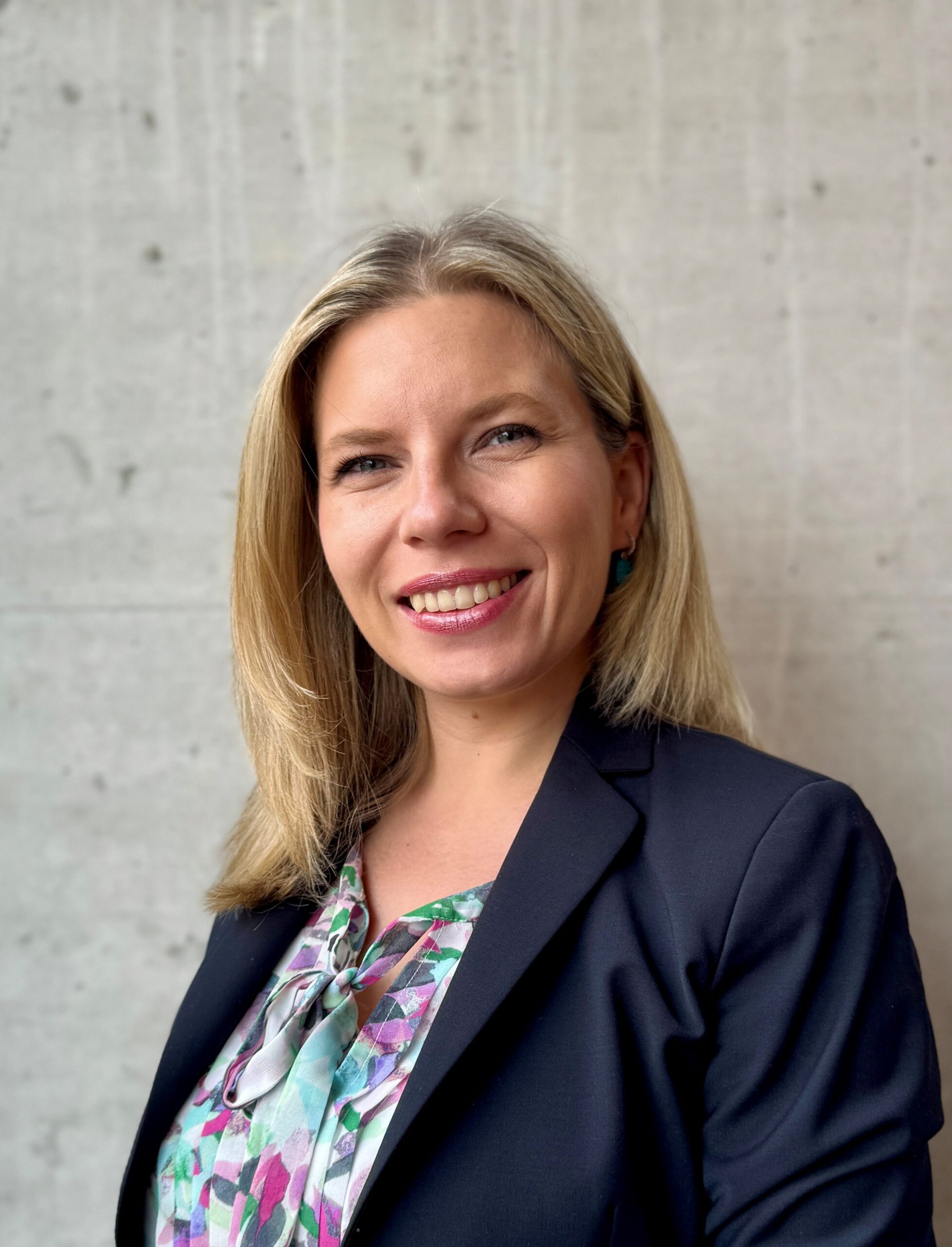
As a global leader in wet processing, Benninger continues to set industry standards by seamlessly integrating high-performance equipment with deep application expertise. As the Indian textile sector pivots toward man-made fibres, technical textiles, and high-value finishing, the need for sustainable, resource-efficient, and highly precise machinery is more critical than ever. Velislava Niederkofler, Marketing Manager, Benninger, in this interview with Divya Shetty discuss how Benninger is empowering manufacturers to navigate modern production challenges and achieve a superior competitive edge in the global marketplace.
How is Benninger serving the global textile finishing industry today?
Benninger serves the textile industry as a process partner for textile producers. We combine equipment, process know-how and application expertise to help customers improve quality, productivity and resource efficiency. Our portfolio covers continuous and discontinuous wet processing, from preparation and dyeing to washing, singeing and finishing for woven, knitted and technical textiles.
How do Benninger’s technologies help mills improve sustainability without compromising fabric quality?
Sustainability is driven not only by environmental goals but also by economic necessity. Water, energy, and chemicals are among the largest cost factors in textile processing, making every percentage of savings significant. Our technologies are designed to reduce resource consumption without compromising fabric quality, enabling mills to improve both their environmental performance and their profitability.
In your view, what are the biggest challenges textile processors face in achieving right-first-time production, and how can advanced machinery help solve them?
Today’s textile processors face growing challenges, including increasing product complexity, shorter delivery times, and more stringent quality requirements. Achieving consistent results depends on several factors, including process stability, operator expertise, raw material consistency, and reliable equipment.
Advanced machinery addresses these challenges by providing precise process control, stable operating conditions, and a high level of automation that minimizes process variability. Equally important, it captures and standardizes process knowledge, reducing reliance on individual operator decisions and ensuring consistent, repeatable production.
India is emerging as a strong market for value-added textiles, man-made fibres and technical textiles. What makes India strategically important for Benninger’s future growth?
India is one of the world’s most dynamic textile markets, combining a large manufacturing base with a clear focus on moving up the value chain. As manufacturers invest in value-added textiles, man-made fibres and technical applications, the demand for advanced processing technologies continues to grow. Our local manufacturing and service presence allows us to support customers closely as they modernise their operations and they strengthen their competitiveness in both domestic and export markets.
How are Benninger’s dyeing, washing, singeing and finishing systems helping manufacturers improve reproducibility, process control and operational reliability?
Stable processes are the foundation of reproducible quality. Whether it is SingeRay for precise fabric preparation, FabricMaster and SynthMaster for highly efficient and exceptionally gentle discontinuous dyeing, or our CPB Pad Dye technology for continuous dyeing, each solution is designed to deliver predictable results with minimal process variation. Combined with automation and proven process expertise, they help mills improve reliability and reduce conversion costs.
With sportswear, athleisure, technical textiles and blended fabrics growing rapidly, how is the demand for advanced finishing technology changing?
The growth of these segments is increasing the demand for technologies that can handle more sophisticated fabrics while maintaining productivity and quality. Performance textiles and fibre blends require gentle fabric handling. Manufacturers are increasingly looking for solutions that provide greater flexibility, consistent results, and lower resource consumption. This trend is driving investment in advanced dyeing and finishing technologies capable of meeting demanding performance and quality requirements.
Looking ahead, what trends will define the textile finishing industry over the next decade, especially in terms of automation, process integration, digitalisation and sustainable production?
The industry will increasingly focus on resource efficiency, process integration, automation, and data-driven performance improvement. Rising costs for water, energy, and chemicals will continue to push manufacturers toward more efficient production models.. At the same time, greater use of production data will help mills optimize performance, improve decision-making, and consistently achieve right-first-time production. The manufacturers that successfully combine sustainability, operational efficiency, and process reliability will be best positioned for long-term success.