Close Menu
Indian Textile Journal
  • Home
  • Textile Machinery
    • Allied Equipment and Accessories
    • Automation
    • Dyeing, Processing & Finishing
    • Knitting
    • Printing
    • Spinning
    • Weaving
  • Tech Textiles
  • Sustainability
  • Resources
    • Trade Fair
    • Events
    • Videos
  • Interview & Opinion
  • Subscribe Now
  • Advertise
  • Digital
  • Apparels & Garments
  • Fibres & Raw Materials
  • Home Textiles
  • Industry Update
Facebook X (Twitter) YouTube LinkedIn
Indian Textile Journal
Epson
  • Home
  • Textile Machinery
    • Allied Equipment and Accessories
    • Automation
    • Dyeing, Processing & Finishing
    • Knitting
    • Printing
    • Spinning
    • Weaving
  • Tech Textiles
  • Sustainability
  • Resources
    • Trade Fair
    • Events
    • Videos
  • Interview & Opinion
  • Subscribe Now
  • Advertise
  • Digital
  • Apparels & Garments
  • Fibres & Raw Materials
  • Home Textiles
  • Industry Update
Indian Textile Journal
Home » Maharashtra Cabinet approves key amendments to state textile policy
Industry Update

Maharashtra Cabinet approves key amendments to state textile policy

Divya SBy Divya SNovember 19, 20261 Min Read
Share Facebook Twitter LinkedIn WhatsApp Copy Link

Under the updated policy, Palghar district has been brought under Zone 1 in recognition of its status as a tribal district.

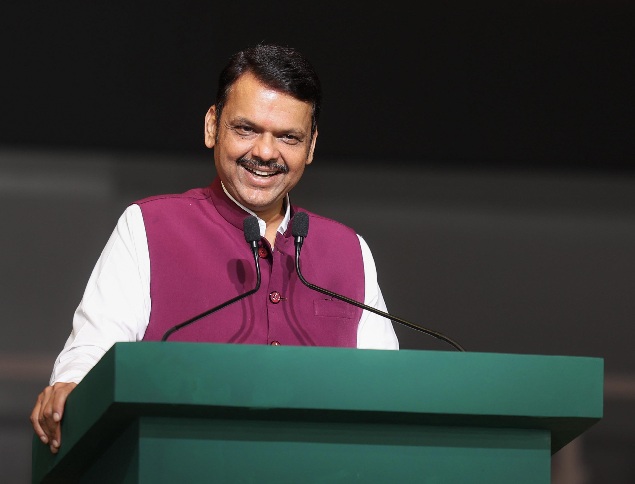
The Maharashtra Cabinet, chaired by Chief Minister Devendra Fadnavis, approved major amendments to the state’s Integrated and Sustainable Textile Policy (2023–28), introducing revised zoning classifications and relaxed project expansion norms.

Under the updated policy, Palghar district has been brought under Zone 1 in recognition of its status as a tribal district. Additionally, the Cabinet decided to abolish Zone 4 entirely, reclassifying all districts across the remaining three zones to streamline incentives across the state.

To encourage modernization and capacity growth, the government also redefined what qualifies as the expansion of a textile project. Under the new criteria, installing additional machinery valued at 10% or more of the previous financial year’s machinery book value will now be officially recognized as an expansion.

Furthermore, the Cabinet provided relief for transitional projects. Eligible textile units that secured loan approvals or made advance machinery payments prior to June 1, 2023—but began commercial production during the current policy window—will now be given the flexibility to choose incentives under either the previous 2018–23 policy or the current 2023–28 policy.

Previous ArticleRole of textiles in molecular medicine

Related Posts

Inside Karl Mayer’s breakthrough spacer fabric innovations at ITMA ASIA 2026

November 16, 2026

Itema to showcase textile versatility at ITMA ASIA + CITME 2026

November 16, 2026

Vipul Organics Q2 FY27 revenue jumps 56% to Rs 619 million

November 16, 2026
Recent Posts
  • Maharashtra Cabinet approves key amendments to state textile policy
  • Role of textiles in molecular medicine
  • Managing the 5x Surge: Supply Chain Resilience for India’s Textile & D2C Fashion Brands
  • LMW: Complete Technology | Seamless Possibilities
  • Makarand Kulkarni: Demand for recycled polyester is rising across all segments
  • Thies appoints Rossari Biotech as sales agent in India
  • Reimagining Machinery at ITME 2026
  • The Next Generation of Denim: Innovation in Comfort, Stretch, Versatile Textures and Performance Fabrics
Facebook X (Twitter) YouTube LinkedIn
  • About us
  • Contact us
  • Privacy Policy
  • Terms and Conditions

SISTER PUBLICATIONS

Construction World Equipment India Industrial Product Finder Infrastructure Today

© 2026 Indian Textile Journal. All Rights Reserved.

Type above and press Enter to search. Press Esc to cancel.