


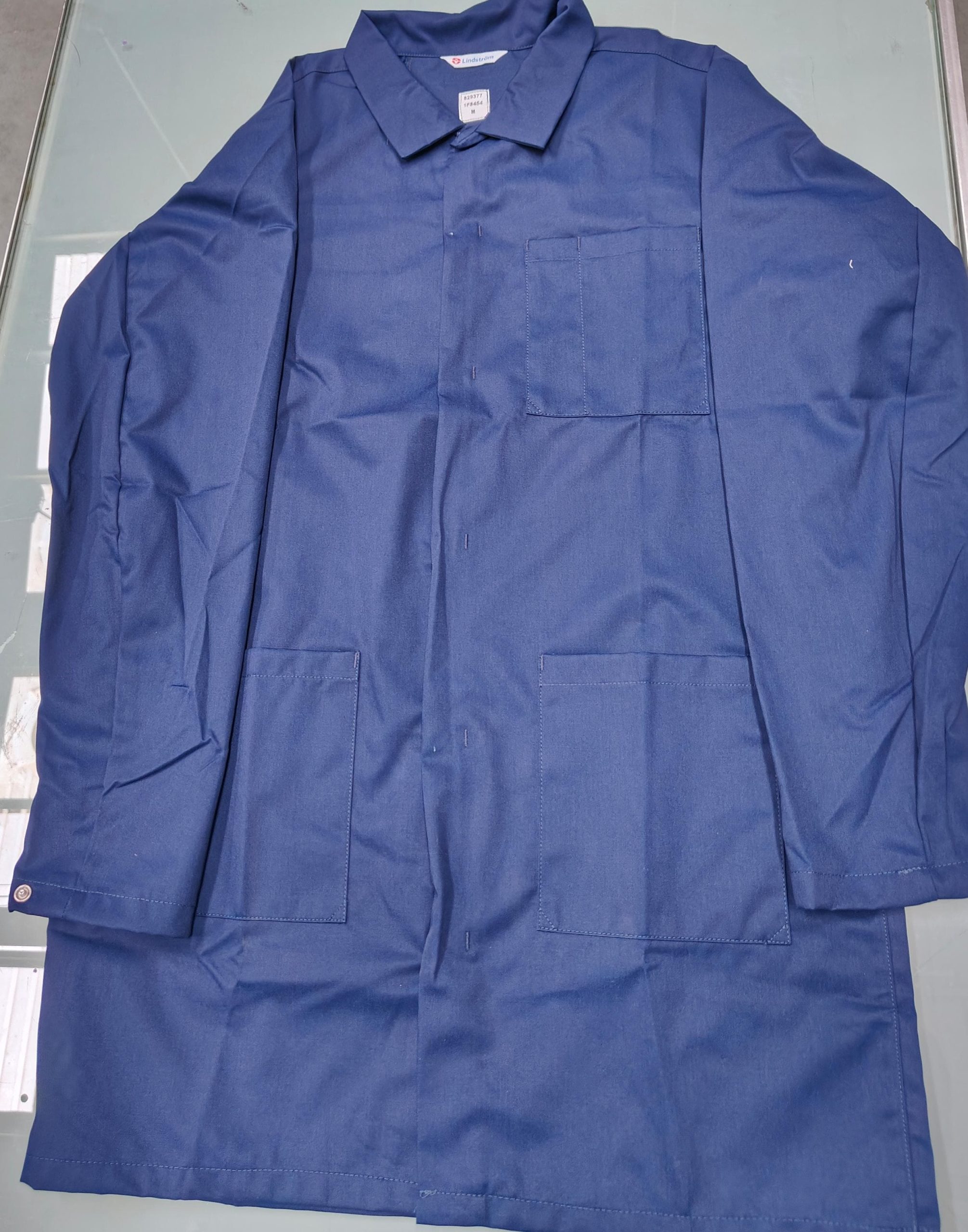
Move towards environmental responsibility by transforming plastic waste into eco-friendly uniforms.
Lindström India, a 100 per cent subsidiary of the Finnish Lindström Oy, a global textile rental company offering workwear and cleanroom services, has reaffirmed its commitment to sustainability with yet another proactive initiative. The company is including recycled polyester from PET bottles into its workwear garments collection , aligning with Lindström’s commitment to science-based climate targets and emphasizing environmental responsibility.
A process that involves sorting and cleaning PET bottles, mechanically shredding them into small flakes, and then melting and purifying the material. The resulting fibres are combined with 35 per cent cotton, creating a versatile fabric that merges the comfort of cotton with the durability of polyester.
Anisha Mukherjee, Head of Procurement & Sustainability lead, Lindström India said “The primary advantage of 65 per cent recycled polyester/35 per cent cotton fabric lies in its reduced environmental impact. By incorporating recycled polyester, which is derived from post-consumer plastic bottles, the production process helps divert plastic waste from landfills. This not only conserves resources but also diminishes the need for virgin polyester production, a process known for its high energy consumption and greenhouse gas emissionsâ€.
These fibres can be used to create a variety of textiles, including fabrics for clothing, upholstery, and more. The production of recycled polyester textiles reduces the demand for new raw materials and lessens the environmental impact associated with traditional polyester production. According to estimates from the Textile Exchange, the production of recycled polyester materials could yield 30 per cent lower CO2 emissions compared to virgin polyester materials, as it uses 45 per cent less energy and 20 per cent less water. Besides emissions, recycling also keeps plastic bottles out of oceans and landfills.
“This 65:35 blend offers the best of both worlds – the natural comfort of cotton and the durability of polyester. The resulting fabric is not only soft and breathable but also resilient and long-lasting. This longevity contributes to reduced demand for replacement products, promoting a more sustainable approach to workwear and reducing overall textile waste†added Jayant Roy, Managing Director, Lindström India.
Recycling polyester requires significantly less energy compared to the production of virgin polyester and blending 35 per cent cotton with recycled polyester mitigates the overall water footprint.
This blend not only addresses concerns about resource depletion and pollution but also delivers a high-quality, versatile fabric that meets the demands of a conscientious consumer base. As the world continues to prioritise sustainability, embracing such eco-friendly materials is a crucial step towards a greener and more responsible future.
“Since the introduction of recycled polyester from PET bottles as workwear, we already have a positive response from a prominent customer in South India†further continued Roy.
Lindström Oy is amongst over 4500 companies with their targets approved by the science-based climate targets, and amongst the 2897 companies globally committed to net-zero targets. The number of companies setting science-based climate targets is growing, and now make a third of the global economy.