


Representing a major manufacturing pillar, the textile and apparel sector generates nearly 2 per cent of national Gross Domestic Product and about 11 per cent of manufacturing Gross Value Added, according to the 2025 National Account Statistics.
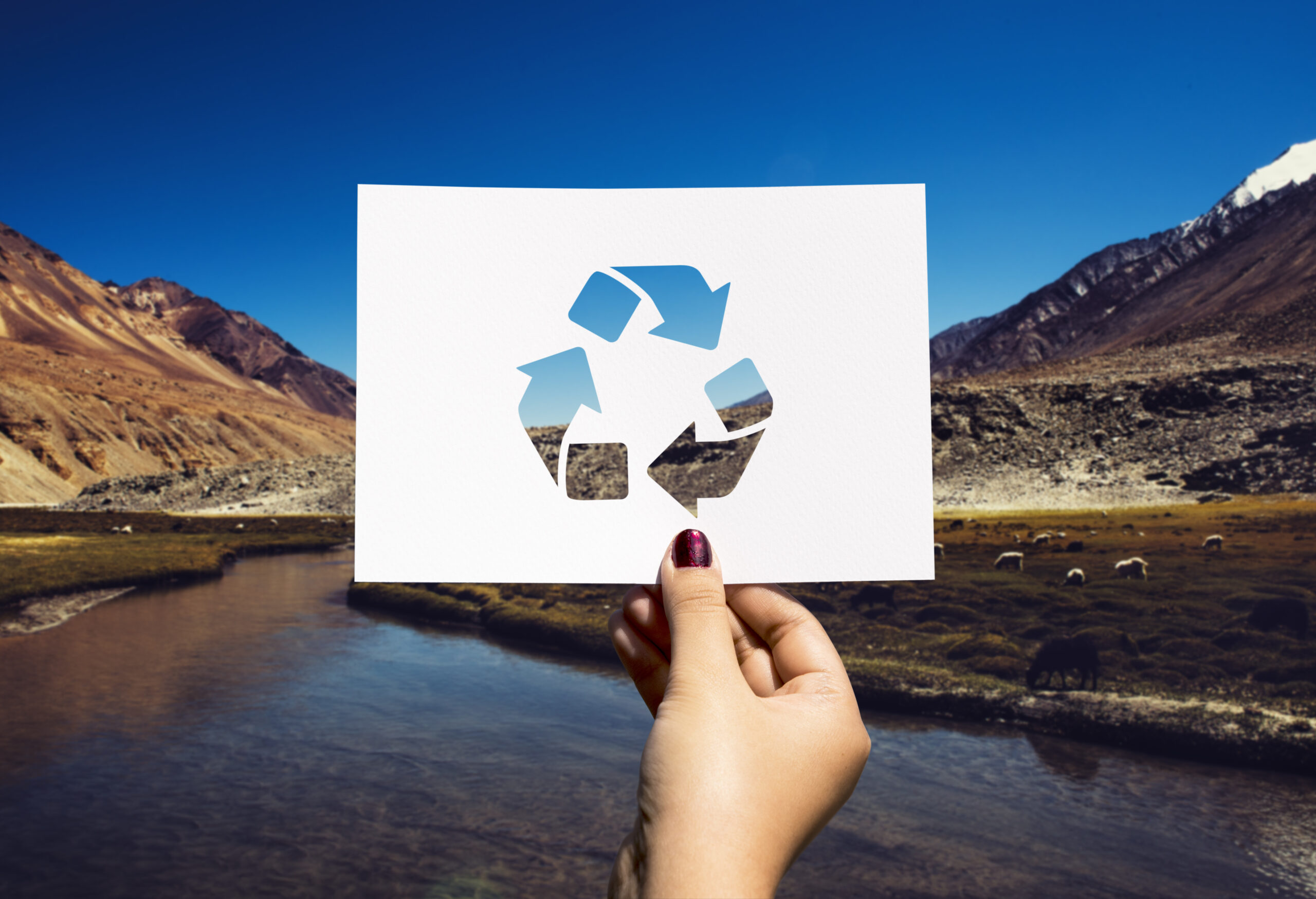
Sustainability is evolving into a key growth catalyst for India’s apparel and textile industry as the nation accelerates initiatives to establish a circular textile economy via supportive policies, cleaner production methods, waste reclamation, green certification, and ethical sourcing.
Representing a major manufacturing pillar, the textile and apparel sector generates nearly 2 per cent of national Gross Domestic Product and about 11 per cent of manufacturing Gross Value Added, according to the 2025 National Account Statistics. India also stands as the world’s sixth-biggest exporter of apparel and textiles, capturing roughly 4 per cent of global shipments while offering direct employment to over 45 million individuals, prominently including rural workers and women.
Because international buyers increasingly demand environmentally conscious goods, India is placing sustainability at the core of its textile value chain to boost worldwide competitiveness while lowering ecological footprints.
At the center of this transformation lies the circular economy model, where materials undergo reuse and recycling to remain in circulation for extended periods. Within the textile industry, this strategy cuts down waste, conserves energy and water, diminishes hazardous chemical usage, and prolongs product life cycles.
India already displays notable advancement in textile circularity. Out of nearly 7.8 million tonnes of managed annual textile waste, over 90 per cent stems from post-consumer and pre-consumer domestic streams. More than 70 per cent of this material is reclaimed through upcycling, downcycling, recycling, or reuse. Recovery remains exceptionally robust in the pre-consumer phase, where close to 95 per cent of waste is gathered and fed back into production. Almost all spinning waste gets reutilized internally, while roughly 55 per cent of post-consumer waste is diverted from landfills through vast sorting and collection networks.
The nation’s recovery framework additionally functions as a vital employment engine, backing nearly 40 to 45 lakh livelihoods, with marginalized women driving collection, sorting, and redistribution tasks.
Diverse local programs spotlight the rising momentum of circular practices. India’s pioneer Municipal Textile Recovery Facility located at Belapur in Navi Mumbai merges sorting, collection, technology, livelihood creation, and upcycling into a unified recovery system. This center has gathered 30 metric tonnes of post-consumer waste, sorted 25.5 metric tonnes, processed in excess of 41,000 textile pieces, and crafted over 400 upcycled samples while engaging nearly 1.14 lakh families.
Panipat has solidified its status as a premier downstream recycling hub by processing roughly 3,500 to 5,250 tonnes of textile waste daily. The cluster drives sorting, collection, knitting, processing, and recycling, opening avenues for high-value textile-to-textile reclamation.
Inside Delhi, the Mongolpuri Katran Market serves as a crucial node within the recycling chain, where industrial cutting scraps gathered across North India are sorted by color prior to reaching Panipat processing units.
Government sustainability frameworks span every level of the textile pipeline, starting with fiber creation. Schemes like the National Programme for Organic Production champion certified organic cotton via recognized global benchmarks, whereas the Jute-ICARE project fosters scientific, sustainable jute farming. Since its 2015 debut, Jute-ICARE grew from 130 blocks spanning seven states to 289 blocks across ten states, expanding coverage from roughly 1.11 lakh hectares to nearly 2.15 lakh hectares during 2024 to 2025.
The New Age Fibre Mission under the Cotton Productivity Mission champions sustainable natural alternatives like flax, sisal, and ramie over synthetics. Partnering with this initiative, the National Fibre Scheme seeks to reinforce self-sufficiency across natural, man-made, and modern fibers while spurring advanced material innovation.
Curbing hazardous chemical usage forms another critical pillar of green manufacturing. Pilot projects championing safer chemicals, organic production, and eco-friendly textiles are rolling out nationwide. One ongoing effort targeting 400 factories across four fashion houses and eight clusters aims to mitigate 1,47,000 tonnes of carbon dioxide equivalent emissions while slashing hazardous chemical consumption by over 10,530 tonnes. Bans on 70 azo dyes and benzidine-based alternatives, coupled with commitments under the Stockholm Convention on Persistent Organic Pollutants, further reinforce cleaner practices.
On the production side, sustainability is woven directly into the establishment of PM Mega Integrated Textile Region and Apparel Parks. Designed around the Farm-to-Fibre-to-Factory-to-Fashion-to-Foreign vision, these hubs feature shared infrastructure, scientific waste management, wastewater recycling, and common effluent treatment plants. Seven PM MITRA Parks boast approval with a cumulative outlay of Rs 44.45 billion through 2027 to 2028 across Maharashtra, Uttar Pradesh, Madhya Pradesh, Karnataka, Gujarat, Telangana, and Tamil Nadu. By December 2025, investment memorandums of understanding surpassing Rs 274.34 billion were officially secured.
Acknowledging the immense weight of Micro, Small, and Medium Enterprises, which drive over 80 per cent of output capacity, authorities introduced green support via the Raising and Accelerating MSME Performance Programme. The MSE-GIFT initiative spurs green tech adoption through credit guarantees and interest subventions, while the MSE-SPICE program supplies capital subsidies for circular economy investments.
The sector has likewise entered the Indian Carbon Market through the Carbon Credit Trading Scheme enacted in 2023. Units must report indirect and direct greenhouse gas emissions, and companies surpassing reduction goals can earn tradable Carbon Credit Certificates to encourage cleaner technology adoption.
Additional manufacturing backing arrives via best available technology studies, comprehensive industry manuals, and the Tex Eco Initiative, designed to align national producers with international sustainability benchmarks.
Post-production phases also observe major policy shifts. The domestic recycling market is forecasted to hit $3.5 billion by 2030, generating roughly one lakh green jobs over the next five years.
The Solid Waste Management Rules of 2026, effective April 1, incorporate extended producer responsibility and circular principles while boosting resource recovery and waste segregation. Regulations additionally mandate phased increases in Refuse Derived Fuel utilization, inclusive of textile scrap, across cement factories and waste-to-energy facilities.
The National Technical Textiles Mission backs research transforming bio-residues, biomass, and textile scrap into advanced green options, including functional textiles and carbon fibers. Environmental guidelines require clusters and factories to operate common or standard effluent treatment plants to satisfy regulatory discharge parameters.
The fresh publication titled Mapping of Textile Waste Value Chain in India delivers an exhaustive review of waste generation, spotting avenues to strengthen recycling, upcycling, and resource recovery throughout the pipeline.
Beyond manufacturing and recycling, sustainability gains traction through certification frameworks and market incentives. Under the 2024 Eco-Mark Scheme, textiles emerged as an eligible eco-label category, backed by 13 notified Indian Standards. Efforts like Silk Mark and Kasturi Cotton enhance traceability and quality assurance, helping local goods secure stronger international market acceptance.
To stimulate demand for green offerings, a 2024 tripartite memorandum of understanding linking the Standing Conference of Public Enterprises, Government e-Marketplace, and the Textiles Committee aims to drive public agency procurement of upcycled textile goods.
Industry consciousness receives additional backing via Sustainable Resolution, the Circle Back campaign, Circular Samvaad, and the ESG Task Force, which advocate for responsible production methods and knowledge sharing across the ecosystem.
India’s flagship international showcase, Bharat Tex, elevates this green agenda by uniting the entire textile value chain. Building upon prior editions in 2024 and 2025, Bharat Tex 2026 highlights technical textiles, circular manufacturing, innovation, market access, and broader MSME engagement.
Drawing from historic traditions centered on repair, reuse, and resource mindfulness, India blends cultural legacy with contemporary industrial practices to forge a resilient textile economy. Through measures encompassing organic farming, cleaner production, waste reclamation, recycling, certification, and market backing, the nation steadily integrates sustainability into the future of its premier manufacturing industries.
Source: DD India