Close Menu
Indian Textile Journal
  • Home
  • Market and Economy
    • Apparels & Garments
    • Fibres & Raw Materials
    • Home Textiles
    • Industry Update
  • Textile Machinery
    • Allied Equipment and Accessories
    • Automation
    • Dyeing, Processing & Finishing
    • Knitting
    • Printing
    • Spinning
    • Weaving
  • Tech Textiles
  • Sustainability
  • Resources
    • Trade Fair
    • Events
    • Videos
  • Interview & Opinion
  • Subscribe Now
  • Advertise
  • Digital
Facebook X (Twitter) YouTube LinkedIn
Indian Textile Journal
Epson
  • Home
  • Market and Economy
    • Apparels & Garments
    • Fibres & Raw Materials
    • Home Textiles
    • Industry Update
  • Textile Machinery
    • Allied Equipment and Accessories
    • Automation
    • Dyeing, Processing & Finishing
    • Knitting
    • Printing
    • Spinning
    • Weaving
  • Tech Textiles
  • Sustainability
  • Resources
    • Trade Fair
    • Events
    • Videos
  • Interview & Opinion
  • Subscribe Now
  • Advertise
  • Digital
Indian Textile Journal
Home » Lenzing fibres now fully biodegradable
Industry Update

Lenzing fibres now fully biodegradable

By September 6, 20191 Min Read
Share Facebook Twitter LinkedIn WhatsApp Copy Link

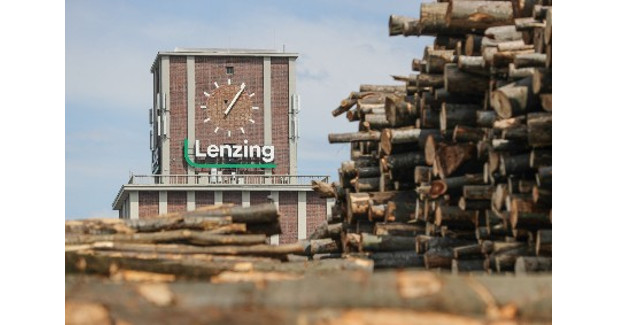
Lenzing has received confirmation of full biodegradability of its fibres in fresh water by independent research laboratory Organic Waste Systems (OWS). The new and existing international certifications conducted by OWS and issued by TÜV Austria verified that Lenzing’s viscose, modal and lyocell fibres are biodegradable in all natural and industrial environments.

The biodegradability of cellulosic products and the synthetic fibre polyester was tested in fresh water at OWS according to valid international standards, e.g ISO 14851. At the end of the trial period, Lenzing wood-based cellulosic fibres, cotton and paper pulp were shown to be fully biodegradable in fresh water in contrast to synthetic polyester fibres.

The fact that synthetic materials are not biodegradable leads to major problems in wastewater treatment plants and potentially marine litter. In turn, this not only harms fish and birds living in and close to the oceans but also all marine organisms and us humans.

Previous ArticleHuntsman builds Mini Science Lab
Next Article PRO Ecuador ties up with Indian textile manufacturers

Related Posts

RSWM retains IND A rating as outlook turns stable

June 12, 2026

Meenakshi India reports FY26 revenue at Rs 1.58 billion

June 9, 2026

Training undergraduate and school students in textiles research

June 9, 2026
Recent Posts
  • RSWM retains IND A rating as outlook turns stable
  • Mumbai welcomes back HGH India 2026
  • Vipul Organics teams up with OMYA for European pigment distribution
  • ITM Istanbul 2026: ColorJet’s visibility extends across the entire exhibition
  • CMAI kidswear fair sees record participation 
  • Clean energy shift may save Tamil Nadu textiles Rs 32.50 billion
  • Spykar plans pan-India offline expansion with 100 new stores in two years
  • Meenakshi India reports FY26 revenue at Rs 1.58 billion
Facebook X (Twitter) YouTube LinkedIn
  • About us
  • Contact us
  • Privacy Policy
  • Terms and Conditions

SISTER PUBLICATIONS

Construction World Equipment India Industrial Product Finder Infrastructure Today

© 2026 Indian Textile Journal. All Rights Reserved.

Type above and press Enter to search. Press Esc to cancel.