



Rajeev Gupta suggests, the path forward calls for a balanced approach that brings together heritage with modernity, operational efficiency with creative innovation and local strength with global ambition.
In a world where supply chains are fragile and geopolitical tensions shape trade flows overnight, India’s manufacturing story is finding new urgency. The “Make in India†vision is no longer just a call for self-reliance, it is a strategy to future-proof growth against an unpredictable global order. The textile and apparel industry faces a crucial moment right now. Brands are looking to spread out their sourcing from overexposed markets, while customers want both sustainability and quick turnaround. This puts India in a unique position. With a huge supply of raw materials, talented workers and increasing emphasis on technology, India has a chance to turn this unstable situation into a way to take the lead in the global value chain.
The industry’s relevance goes beyond just culture or business. It provides jobs to over 45 million people and plays a big part in GDP, manufacturing and exports. This size makes it a key asset, but also leaves it open to risks like trade fights, supply problems and changing global demand that can hurt its ability to compete if not dealt with. Amid these challenges, we need a critical and rather important question that is “How exactly can India harness its traditional strengths while evolving to meet global expectations?†The answer lies in strategic foresight, policy support, operational excellence and sustainable innovation.
India’s position in a competitive global landscape
India’s textile and apparel sector is not just a set of numbers, it is a living ecosystem, intertwined with the livelihoods of over 45 million people, many of whom operate within micro, small and medium enterprises. Ranking fifth in global textile exports, the industry contributes meaningfully to GDP, industrial production and trade. However, its true significance lies in the communities it sustains and the skills it nurtures. This scale is a strength, yet it also brings exposure. Traditional supply chains and labor-intensive methods can often leave the sector sensitive to global shifts.
Across borders, competitors like Bangladesh and Vietnam have demonstrated how agility, cost efficiency, and trade advantages can reshape market dynamics. India cannot rely on size alone. Its opportunity lies in leveraging innovation, quality, and sustainability to create a distinct identity in global markets.
Navigating global challenges
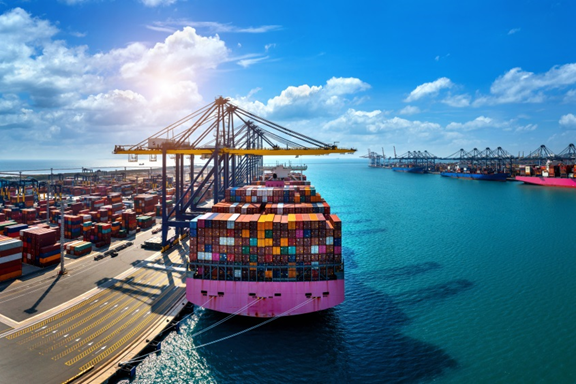
Supply chain pressures, from cotton availability to transport delays, encourage flexibility, better planning and smarter coordination
Global uncertainty, with its tariffs, changing demand patterns, and logistical fluctuations, is often framed as a threat. Yet, it can also be a catalyst for transformation. Tariff variations, for instance, push manufacturers to rethink markets, diversify export destinations, and discover new growth avenues. Supply chain pressures, from cotton availability to transport delays, encourage flexibility, better planning and smarter coordination.
Increasingly, international buyers are prioritising transparency, traceability and environmental responsibility. This is not a compliance exercise; it is an invitation for Indian manufacturers to demonstrate the strength of their ethics, the quality of their craft and their commitment to sustainable practices. Companies that integrate these principles naturally strengthen their credibility and competitiveness. If we look at it this way, tough spots aren’t roadblocks but chances to improve how things work, use new technology and rethink plans. By looking ahead and being ready to change, India’s textile and apparel industry is not merely weathering uncertainty, it is positioning itself to thrive, expand its global footprint and set new standards for resilience and excellence.
Policy support strengthening the sector
Government policies are giving the textile and apparel industry a much needed push to grow stronger and stay competitive. Make in India continues to build infrastructure, bring in investment and modernise industrial facilities. The 2025 GST changes have fixed old problems by lowering taxes on man-made fibres, threads, and clothes. This change has also led to a reduction in tax rates on garments under ₹2,500. All of this has made products more affordable for Indian consumers and strengthened the industry’s position in global markets.
The Production Linked Incentive scheme, with more than ₹100 billion dedicated to man-made and technical textiles, is driving value-added production and has also encouraged the use of advanced technology. Other programs such as RoSCTL, RoDTEP, PM MITRA Parks and SAMARTH are helping create a skilled workforce, upgrade operations and prepare the sector for future growth.
Trade agreements, including the recently signed UK-India FTA, have provided new opportunities for export diversification. While challenges such as high US tariffs persist, these policies give manufacturers the flexibility to explore new markets and reduce dependence on traditional destinations. Together, these measures not only provide stability in uncertain times but also lay the foundation for sustainable and long-term growth.
Unlocking growth in a changing market
Despite challenges around the world, new opportunities are taking shape. The domestic market now makes up 70 to 75 per cent of total sales which makes it a crucial source of income. Demand for mid-range fashion, technically advanced textiles and value-added clothing is rising in accordance with urbanisation, higher disposable incomes and changing lifestyle preferences.
Jute, handicrafts and carpets are among India’s artisanal exports, seeing strong double-digit growth. Their authenticity, cultural depth and eco-friendly nature make them increasingly valued across the world. These qualities give India a natural edge in premium global markets.
At the same time, blended textiles and synthetic fibres are gaining popularity worldwide. With a supportive policy framework in place, India is well-positioned to scale production and meet this demand. The focus is also shifting toward circular economy models, low-impact production and sustainable practices. Businesses that weave these principles into product design, sourcing and manufacturing are likely to capture premium markets and build lasting credibility.
There is also a growing space where sustainability meets technology. Automated quality checks, AI-led inventory planning and advanced manufacturing can speed up production and reduce wastage. Digital platforms are helping too by offering insights into consumer preferences and trends. This has enabled brands to engage directly with their audience.
Strategic imperatives for future growth
Government regulations are now essential for the expansion and resilience of India’s textile and clothing sector. By promoting infrastructure development, drawing in investment and modernising industrial processes, Made in India has played a significant role. Long-standing inefficiencies were addressed by the GST reforms of 2025. They decreased inverted duties on clothing, yarns and synthetic fibres. Additionally, tax rates on clothing under ₹2,500 were reduced. These adjustments have increased domestic product affordability and have raised India’s level of competitiveness in the international markets.
The Production Linked Incentive (PLI) plan allocates over ₹100 billion to support man-made and technical textiles, enabling manufacturers to produce high-value products with advanced technology. Additional programs like the Rebate of State and Central Taxes and Levies (RoSCTL), the Remission of Duties and Taxes on Exported Products (RoDTEP), PM MITRA Parks, and the SAMARTH skill development program. These initiatives are preparing a workforce ready for future needs, improving overall operational efficiency.
Similarly, trade agreements like the recently signed UK-India Free Trade Agreement (FTA) are creating new opportunities for exports. High taxes in the US still pose a problem for us, but these deals give makers a shot at tapping into new markets and reduce their reliance on traditional destinations. Together, these policies are helping the sector grow even stronger.
In essence
India’s textile and apparel sector stands at a transformative inflection point. Global uncertainty presents undeniable challenges, yet it is also accelerating the need for innovation, efficiency and strategic diversification. Strong domestic demand, progressive policy frameworks and resilience in exports have provided a robust platform for growth.
The path forward calls for a balanced approach that brings together heritage with modernity, operational efficiency with creative innovation and local strength with global ambition. By empowering MSMEs, investing in human capital, and adopting sustainable and technologically advanced practices, India can move beyond its traditional identity as a manufacturing hub. Therefore, without losing sight of our rich legacy, India has the opportunity not just to compete but to lead the global textile story.
About the author

Rajeev Gupta serves as the Joint Managing Director (JMD) of RSWM, the flagship company of the LNJ Bhilwara Group and one of India’s largest textile manufacturers. With over 30 years of extensive experience across the textile, home textile, and pulp & paper industries, Mr. Gupta is renowned for his strategic vision, operational expertise, and ability to drive transformative business growth.