Close Menu
Indian Textile Journal
  • Home
  • Textile Machinery
    • Allied Equipment and Accessories
    • Automation
    • Dyeing, Processing & Finishing
    • Knitting
    • Printing
    • Spinning
    • Weaving
  • Tech Textiles
  • Sustainability
  • Resources
    • Trade Fair
    • Events
    • Videos
  • Interview & Opinion
  • Subscribe Now
  • Advertise
  • Digital
  • Apparels & Garments
  • Fibres & Raw Materials
  • Home Textiles
  • Industry Update
Facebook X (Twitter) YouTube LinkedIn
Indian Textile Journal
Epson
  • Home
  • Textile Machinery
    • Allied Equipment and Accessories
    • Automation
    • Dyeing, Processing & Finishing
    • Knitting
    • Printing
    • Spinning
    • Weaving
  • Tech Textiles
  • Sustainability
  • Resources
    • Trade Fair
    • Events
    • Videos
  • Interview & Opinion
  • Subscribe Now
  • Advertise
  • Digital
  • Apparels & Garments
  • Fibres & Raw Materials
  • Home Textiles
  • Industry Update
Indian Textile Journal
Home » MSME Bodies Urge RBI to Double Threshold for SMA-2 Stressed Loans
Industry Update

MSME Bodies Urge RBI to Double Threshold for SMA-2 Stressed Loans

By July 10, 20242 Mins Read
Share Facebook Twitter LinkedIn WhatsApp Copy Link

An account is classified under SMA when it shows early signs of financial difficulties or irregularities in loan repayment.

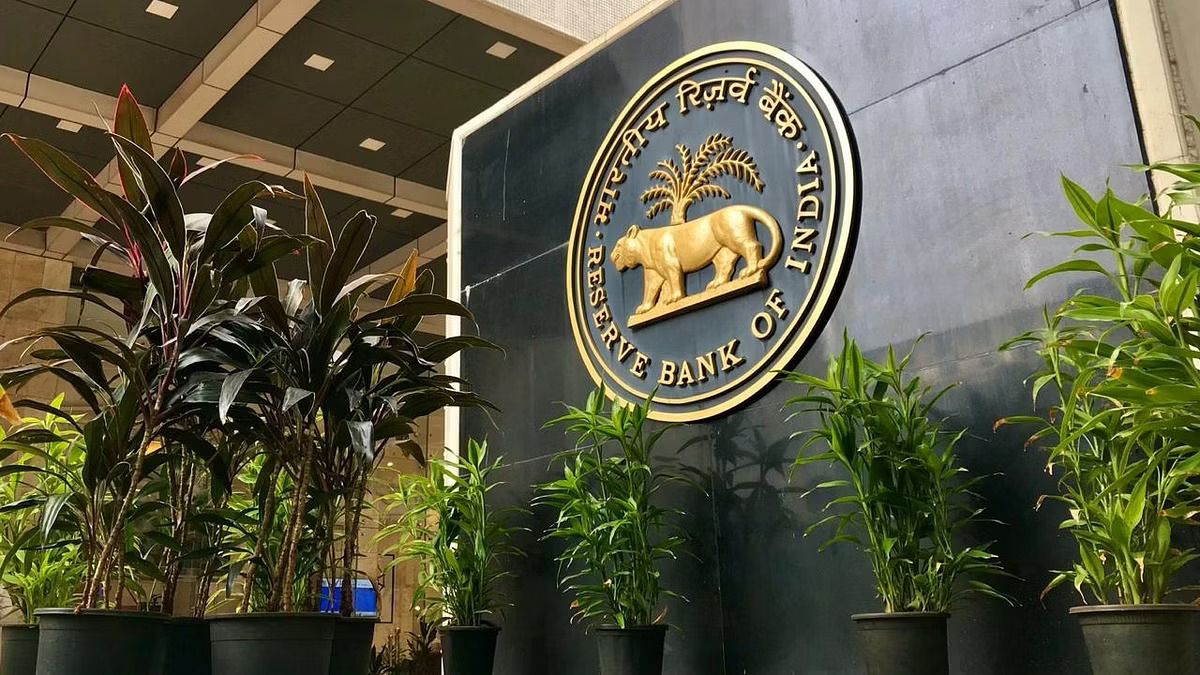
Workers at the Biswakarma Terracotta and Pottery factory in Nandan Nagar, near Agartala, are crafting designer mud pots. Meanwhile, the Federation of Indian Micro and Small & Medium Enterprises (FISME) has appealed to the Reserve Bank of India (RBI) to extend the threshold period for stress loan accounts under the special mention account-2 (SMA-2) category from the current 90 days to 180 days. They also requested the RBI to revise the definition of a willful defaulter for MSMEs.

FISME noted in a memo to the RBI that the current SMA classifications prompt penal actions even for minor delays, which impact credit scores and restrict access to credit. This rigidity overlooks genuine reasons for delays, such as late payments from buyers. Before a loan account becomes a non-performing asset (NPA), banks must identify early signs of stress by placing it in the special mention accounts (SMA) category. An account is classified under SMA when it shows early signs of financial difficulties or irregularities in loan repayment.

There are three types of SMAs: SMA-0 (when payments are overdue for up to 30 days but the account shows signs of stress), SMA-1 (when payments are overdue between 31-60 days), and SMA-2 (when payments are overdue between 61-90 days). MSME borrowers cannot use existing credit lines to pay dues when their account is under the SMA category, which hinders recovery efforts, FISME argued.

The meeting, presided over by Deputy Governors M Rajeshwar Rao and J Swaminathan, included representatives from MSME bodies like the India SME Forum, FISME, and Laghu Udyog Bharti. There was a broad consensus to extend the SMA-2 period to 180 days. Vinod Kumar, President of the India SME Forum, stated that the current SMA classifications restrict MSMEs’ access to credit during critical times. He explained that manufacturing a product can take 40 to 45 days, and selling it and receiving payment can take up to 200 days, making it difficult to pay within the 90-day period while maintaining operations.

Previous ArticleBudget 2024: Sitharaman’s PLI extension, MSME funding can boost textiles
Next Article New R&D appointment strengthens FET wet spinning team

Related Posts

Bombay Dyeing curbs counterfeit sales in Hyderabad to safeguard consumers

July 21, 2026

CITI and EURATEX initiate India-EU textile and apparel dialogue to aid FTA rollout

July 20, 2026

Myntra integrates AI throughout customer discovery, seller onboarding, and product development

July 17, 2026
Recent Posts
  • Woolmark highlights Australian-Indian textile ties at Bharat Tex 2026
  • Mark Smith: In India, we currently see particularly strong demand in technical textiles
  • Rieter’s COMPACT4 – A New Universal Solution for Compact Spinning
  • Bharat Tex 2026 catalyses major investments and global partnerships
  • Deepa Sharma: Water management will increasingly become a strategic differentiator
  • Robert Antoshak: Water performance will start deciding who gets the orders
  • Carmen Silla: Jeanologia’s technologies are designed to work as a connected ecosystem
  • Organic cotton and the conscious nursery
Facebook X (Twitter) YouTube LinkedIn
  • About us
  • Contact us
  • Privacy Policy
  • Terms and Conditions

SISTER PUBLICATIONS

Construction World Equipment India Industrial Product Finder Infrastructure Today

© 2026 Indian Textile Journal. All Rights Reserved.

Type above and press Enter to search. Press Esc to cancel.