


Council says tariff relief is key to restoring export competitiveness.
The Cotton Textiles Export Promotion Council (Texprocil) has renewed its demand for zero-duty access to the European Union for Indian textile products, citing the need to restore competitiveness and expand exports in one of India’s most important overseas markets.
The cotton textiles sector, which supports livelihoods for lakhs of rural artisans and workers across the value chain, currently exports more than $1.3 billion worth of products annually to the EU. However, existing tariff barriers in the European market place Indian cotton-based products at a disadvantage when compared with competing exporting countries that enjoy preferential or duty-free access.
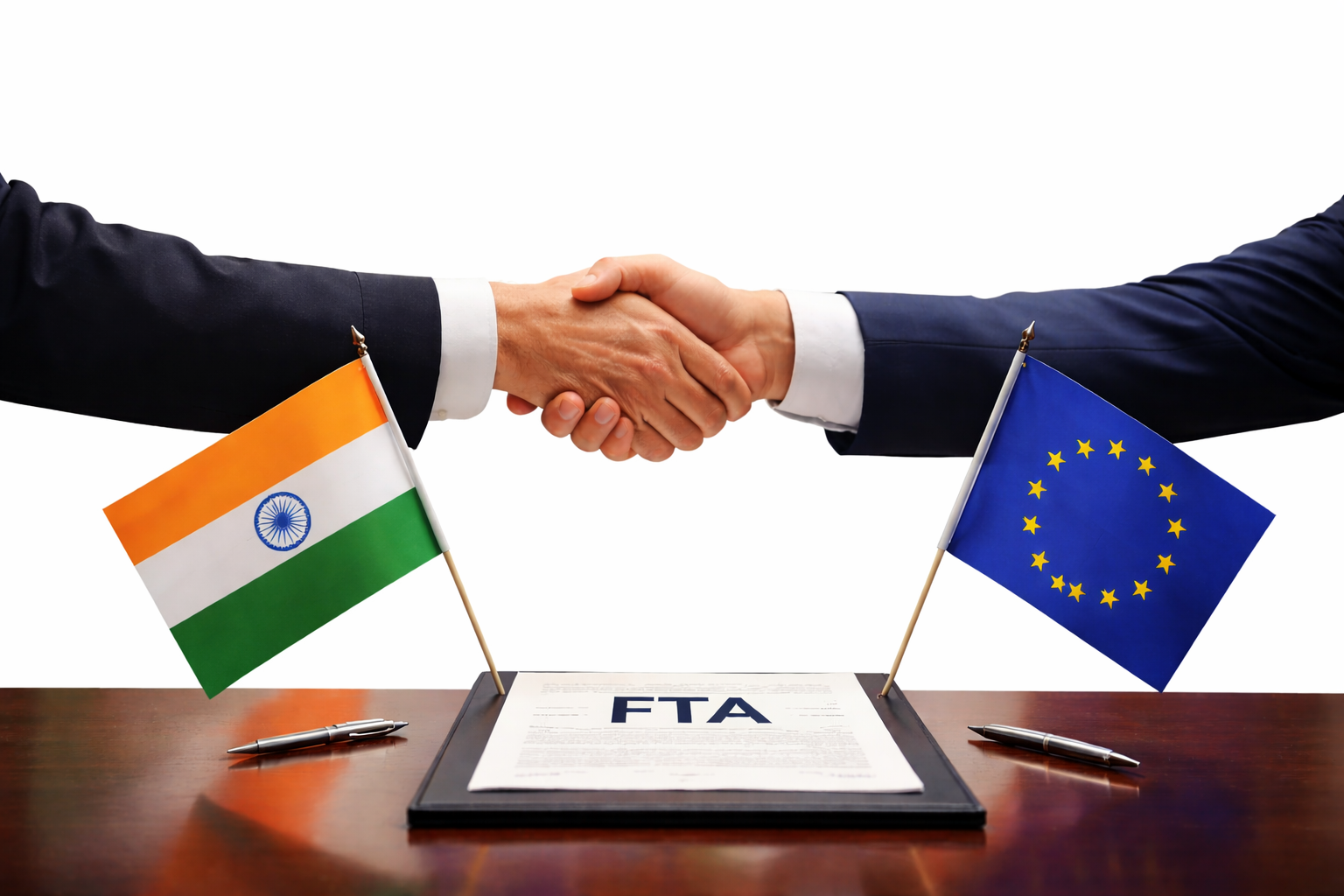
Texprocil said it has consistently advocated zero-duty access during the ongoing India–EU trade negotiations. As discussions on the India–EU Free Trade Agreement (FTA) move closer to conclusion, the council has reiterated its call for comprehensive, zero-duty market access covering all cotton textile products.
According to Texprocil, such an agreement would help restore price competitiveness for Indian exporters, strengthen farmer-linked value chains and provide much-needed support to MSME exporters. The council also said that duty-free access would encourage sustainable and value-added exports, while significantly enhancing India’s presence in the EU market beyond the current export level of $1.3 billion.
The council highlighted that cotton textiles play a critical role in inclusive growth, linking agriculture with manufacturing and exports. Improved access to the EU, it said, would help stabilise demand for Indian cotton, benefit farmers and create additional employment opportunities across spinning, weaving, processing and garmenting segments.
Texprocil also noted positive sentiment among exporters at the recent Heimtextil Show in Frankfurt, Germany, the world’s largest global platform for the home textiles sector. Indian participants at the event expressed optimism about the prospects of a favourable India–EU trade deal and its potential to unlock new growth opportunities for the sector.
The council said it remains hopeful that the proposed FTA will address long-standing tariff issues and enable Indian cotton textiles to compete on an equal footing in the EU market.