


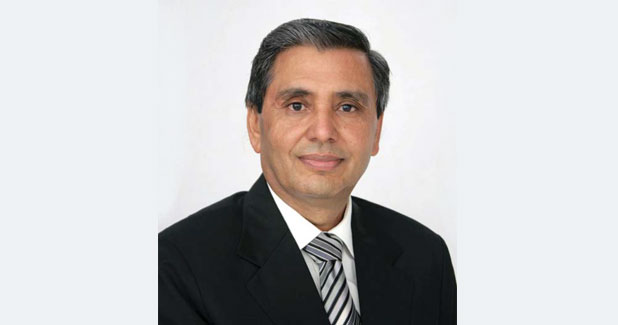
Alidhra Weavetech’s Managing Director, Vallabhbhai S Thumar, believes that “dumping of poor quality machines from China via agent/distributor route is hurting the technology prowess of the Indian industry.†The company is one of the leading manufacturers of twisting and weaving machinery in India with a global reach in countries like Argentina, Brazil, Africa, Pakistan, Bangladesh, Indonesia and China.
How has been your company doing in exports in the last few years? What are the strategies used to develop these markets?
Our exports are growing consistently over the last five years. We rely highly on local representation covering sales and aftersales service in specific markets. Along with this, regular exhibitions do allow us to have a brand recall.
Which are the countries to which you have been exporting your products? Which are the new countries you have recently made breakthrough?
We have been exporting to Argentina, Brazil, Africa, Pakistan, Bangladesh, Indonesia and China.
What are the various products that are being exported? What are their special characteristics/USPs?
We mainly export yarn winders and twisters for various types of yarns. Our main USP is ‘Best Value’ on the basis of lower operating costs allowing the investor to be more competitive in the market over a longer period.
Are there cheaper imports hurting sales in the domestic market? Substantiate with details. How are you meeting these challenges from competition?
Dumping of poor quality machines from China via agent/distributor route is hurting the technology prowess of the Indian industry. With no differentiation between imported v/s locally-manufactured products regarding benefits of subsidies, buyers end up getting attracted to cheaper imports. We do try to promote a ‘Total Cost of Ownership’ approach over a period of 10-15 years to see the true benefits of our locally manufactured products.
In textile machinery and accessories exports, what are India’s weaknesses and strengths? What is your recipe for the industry and the Government to promote textile machinery and accessories exports
The Government needs to stop subsidising imported machinery. These subsidies ultimately end up creating/supporting tremendous number of jobs outside India, which could have been better utilised to cover the technology/skill gap among the Indian manufacturers. The subsidies for imported machinery also lead to malpractices by using various government schemes like export promotion capital goods (EPCG).
Forward-looking schemes and duty structures similar to the automobile/electronics industry should be put into place for the textile machinery industry for promoting the Make-in-India initiative. This will prevent a large amount of subsidies leaving the country, while saving considerable foreign exchange, ultimately leading to considerable job creation in the industry.