Close Menu
Indian Textile Journal
  • Home
  • Market and Economy
    • Apparels & Garments
    • Fibres & Raw Materials
    • Home Textiles
    • Industry Update
  • Textile Machinery
    • Allied Equipment and Accessories
    • Automation
    • Dyeing, Processing & Finishing
    • Knitting
    • Printing
    • Spinning
    • Weaving
  • Tech Textiles
  • Sustainability
  • Resources
    • Trade Fair
    • Events
    • Videos
  • Interview & Opinion
  • Subscribe Now
  • Advertise
  • Digital
Facebook X (Twitter) YouTube LinkedIn
Indian Textile Journal
Epson
  • Home
  • Market and Economy
    • Apparels & Garments
    • Fibres & Raw Materials
    • Home Textiles
    • Industry Update
  • Textile Machinery
    • Allied Equipment and Accessories
    • Automation
    • Dyeing, Processing & Finishing
    • Knitting
    • Printing
    • Spinning
    • Weaving
  • Tech Textiles
  • Sustainability
  • Resources
    • Trade Fair
    • Events
    • Videos
  • Interview & Opinion
  • Subscribe Now
  • Advertise
  • Digital
Indian Textile Journal
Home » Yarn stocks pile up in TN
Industry Update

Yarn stocks pile up in TN

By January 13, 20172 Mins Read
Share Facebook Twitter LinkedIn WhatsApp Copy Link
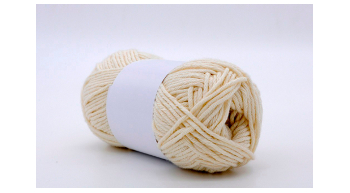
As production in spinning mills has come to a grinding halt since demonetisation, sales of yarn in western Tamil Nadu have plummeted. As a consequence, yarn stocks are piled up in city mills most of which rely on migrant labourers who have stopped work.
With shortage of labour, owners of spinning mills are unable to run their units on a daily basis. As a consequence, the number of shifts has come down to two or one per day. With inadequate workforce, mills are unable to carry out production to the capacity. This has resulted in piling up of yarn stocks. On any given time, most big spinning mills have stocks of 15 to 30 days. Now, it has piled up to three or four months. 
With a fall in yarn supply, weaving units have also shrunk their output. Most weaving units have temporarily closed. They only function two or three times a week or may be for festivals or important orders. Also powerloom owners have not been able to provide full wages to their weavers and others in the industry due to demonetisation. As it is, the textile industry in Tamil Nadu has been having dull business for two years.
Previous ArticleUS retail industry in deep trouble
Next Article Rs 8,835 cr textile MoUs at Vibrant Gujarat

Related Posts

Sustainable home textiles: Balancing design, durability and responsibility

June 22, 2026

India’s textile sector posts 2.1% growth in FY25-26

June 15, 2026

RSWM retains IND A rating as outlook turns stable

June 12, 2026
Recent Posts
  • From Waste Fabric to New Yarn: Why Material Origin Matters in Textile Recycling   
  • Recycled fibres: the vital data for quality and profitability
  • Turning tariff relief into quality advantage in New Zealand 
  • Why texture has become the new currency of luxury interiors
  • How wall textiles are redefining interior design
  • Turning tariff relief into quality advantage in New Zealand 
  • Sustainable home textiles: Balancing design, durability and responsibility
  • Zagis Strengthens Competitiveness with Rieter Spinning System
Facebook X (Twitter) YouTube LinkedIn
  • About us
  • Contact us
  • Privacy Policy
  • Terms and Conditions

SISTER PUBLICATIONS

Construction World Equipment India Industrial Product Finder Infrastructure Today

© 2026 Indian Textile Journal. All Rights Reserved.

Type above and press Enter to search. Press Esc to cancel.