


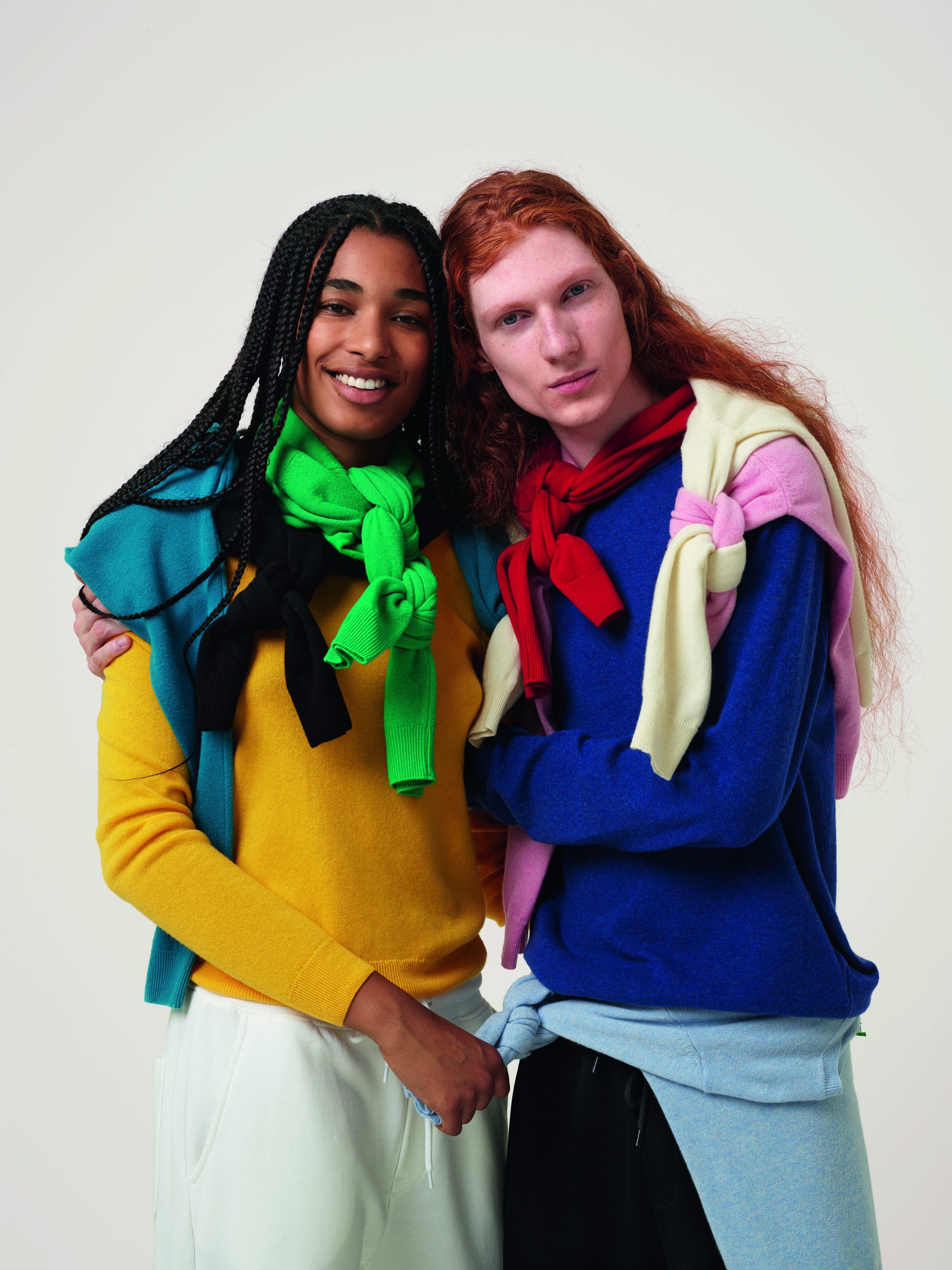
Woolmark is collaborating with leading voices across fashion, sport and wellness to amplify wool’s natural performance advantages and elevate its global profile.
From global fashion weeks to everyday wardrobes, Merino wool is experiencing an extraordinary surge in demand as consumers increasingly move away from synthetics and toward natural fibres that deliver performance, comfort and sustainability.
Recent weeks have marked the strongest rally in the Australian wool market in three decades, underscoring the growing momentum. Analysts attribute the rise to genuine consumer demand, lean inventories and renewed supply chain confidence. Australia’s Eastern Market Indicator (EMI) recently jumped 109 cents to 1,453 cents per kilogram — its highest level since mid-2022 — signalling that the increase is driven by demand rather than supply constraints. According to Woolmark, this shift reflects lasting, sustainable demand.
A global IPSOS survey reveals that wool now ranks among the top three preferred fabrics in both fashion and sportswear. The fibre’s market value is projected to nearly double, from $34.9 billion in 2022 to $63.2 billion by 2033, highlighting its fast-rising trajectory.
Building on this momentum, Woolmark is collaborating with leading voices across fashion, sport and wellness to amplify wool’s natural performance advantages and elevate its global profile.
A move toward timeless, quality wardrobes
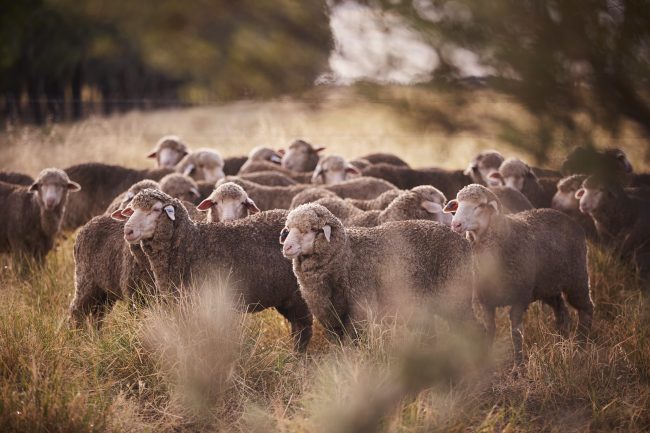
This season, designers and consumers alike are embracing Merino wool as part of a broader “fewer, better things†movement. With its softness, durability and biodegradability, Merino marks a return to fashion’s roots, when natural fibres formed the foundation of timeless wardrobes.
Key trends include:
• In 1973, 75 per cent of global clothing was made from natural fibres; today, 70 per cent is synthetic and derived from fossil fuels.
• 91 per cent of consumers believe high-quality garments are made from natural fibres.
• 68 per cent of luxury buyers seek third-party sustainability certifications, with certified Merino wool earning a 15–30 per cent price premium.
• Wool garments are three times more likely to be donated than other fibres, highlighting their long lifespan.
• Wool has been highlighted in recent Spring/Summer collections from Thom Browne, Chanel, Dior, Balenciaga, Victoria Beckham, Givenchy and Celine.
Performance powering sport and wellness
Merino wool’s rise extends beyond luxury fashion into fitness, sport and outdoor performance. On social platforms, athletes and wellness creators are championing the fibre’s natural benefits, while leading sports brands — including On, Salomon, Tracksmith, Ciele, Patagonia, Lululemon and The North Face — are rolling out Merino-rich collections. No longer limited to winter wear, Merino wool is now recognised as a year-round performance fibre.
Key insights:
• A 2024 IPSOS Global Consumer Survey shows that performance features — breathability, comfort, durability and lightweight feel — top consumer priorities, all strongly associated with Merino wool. Consumers also view wool as a quality, environmentally friendly fibre worth paying a premium for.
• A four-year study by North Carolina State University found that 100 per cent Merino base layers provide superior thermal comfort and moisture control, performing 96 per cent better than polyester.
• At the US Open, Venus Williams showcased wool’s high-performance credentials by wearing a Merino wool kit designed by LUAR.
The natural fibre of the future
Younger consumers, particularly Gen Z and Millennials, are rejecting synthetic fibres and gravitating toward natural materials aligned with wellness, slow living and sustainability. From thrift communities to eco-focused creators on TikTok, Merino wool is not only fashionable but positioned as a responsible choice.
Evidence of this shift includes:
• Merino wool is 100 per cent natural, renewable, biodegradable and the world’s most recycled apparel fibre.
• Major brands such as The North Face, Under Armour, Mizuno, Ciele and Huckberry are integrating Merino into their A/W 2025–26 collections.
• Online sales of premium wool products rose 34 per cent year-on-year in 2023.
• At the 2025 Future Fabrics Expo, 43 per cent of industry voters identified circularity as the biggest opportunity — with wool central to this shift.
• A 2025 Norwegian study found most consumers preferred natural fibres, with wool (72 per cent) and cotton (63 per cent) topping preferences.
The fibre that delivers
“As citizens demand more from what they wear — comfort, performance, traceability and responsibility — Merino wool is meeting the moment,†said Woolmark Managing Director John Roberts. “With leading influencers and brands embracing its story, it’s no surprise demand is rising across luxury fashion, sportswear and lifestyle. It’s the fibre that truly delivers, naturally.â€