Close Menu
Indian Textile Journal
  • Home
  • Market and Economy
    • Apparels & Garments
    • Fibres & Raw Materials
    • Home Textiles
    • Industry Update
  • Textile Machinery
    • Allied Equipment and Accessories
    • Automation
    • Dyeing, Processing & Finishing
    • Knitting
    • Printing
    • Spinning
    • Weaving
  • Tech Textiles
  • Sustainability
  • Resources
    • Trade Fair
    • Events
    • Videos
  • Interview & Opinion
  • Subscribe Now
  • Advertise
  • Digital
Facebook X (Twitter) YouTube LinkedIn
Indian Textile Journal
Epson
  • Home
  • Market and Economy
    • Apparels & Garments
    • Fibres & Raw Materials
    • Home Textiles
    • Industry Update
  • Textile Machinery
    • Allied Equipment and Accessories
    • Automation
    • Dyeing, Processing & Finishing
    • Knitting
    • Printing
    • Spinning
    • Weaving
  • Tech Textiles
  • Sustainability
  • Resources
    • Trade Fair
    • Events
    • Videos
  • Interview & Opinion
  • Subscribe Now
  • Advertise
  • Digital
Indian Textile Journal
Home » Why cotton scores over synthetics!
Industry Update

Why cotton scores over synthetics!

By May 22, 20172 Mins Read
Share Facebook Twitter LinkedIn WhatsApp Copy Link

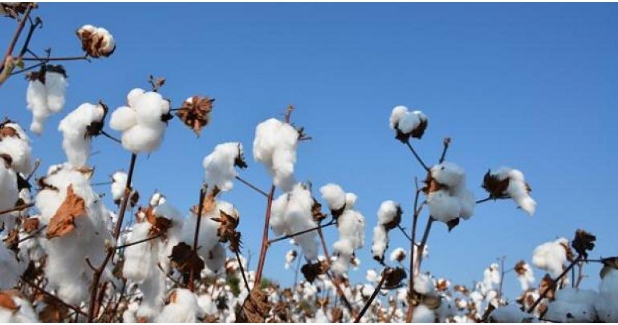
Lubbock, USA: Cotton is pre-sold on its comfort attributes. In addition, it has certain environmental benefits.

With planting in serious mode on the High Plains of Texas, stakeholders of the industry recently held discussions on planting and also on certain benefits of the natural fibre.

On an average about 20-30 per cent of acreage has been planted in the High Plains.  In Lubbock County, 30 per cent of acres have been planted. “Rain fixes a lot of things,” stated Shelley Heinrich, a cotton producer, who farms about 3000 acres in South of Lubbock. With higher prices, producers are expected to plant more cotton acres. In High Plains, this year, 60 per cent of acreage will be dryland and 40 per cent will be irrigated.

While discussing the benefits of cotton, it is not only the comfort on which cotton is pre-sold, there are also environmental benefits. More and more consumers are aware of the problems caused due to the bioaccumulation of micro synthetics in marine lives and ocean floors. Cotton being biodegradable can be a natural alternative to address this issue.

Cotton’s natural benefits and improved manufacturing practices are enabling it to penetrate into high performance and active wear markets. The cotton sector needs to focus on imparting desirable functional characteristics to the fibre, without sacrificing its comfort to make it more attractive to these markets.
By: Seshadri Ramkumar, Texas Tech University, USA

Previous Article18% GST fixed for textile machinery
Next Article Future Textile Award 2017 for Aleph LaForte

Related Posts

N D Mhatre honoured with Certificate of International Excellence

June 25, 2026

India’s textile sector posts 2.1% growth in FY25-26

June 15, 2026

RSWM retains IND A rating as outlook turns stable

June 12, 2026
Recent Posts
  • Epson boosts India’s textile ecosystem with new printing solutions
  • Seven years of proven performance: Consistent effluent quality, stable flux & permeability, and exceptional operational reliability
  • CMAI’s 83rd NGF Kidswear edition drives strong festive business momentum
  • FiberTect wipe as a standby in FIFA world cup football games
  • N D Mhatre honoured with Certificate of International Excellence
  • From Waste Fabric to New Yarn: Why Material Origin Matters in Textile Recycling   
  • Recycled fibres: the vital data for quality and profitability
  • Turning tariff relief into quality advantage in New Zealand 
Facebook X (Twitter) YouTube LinkedIn
  • About us
  • Contact us
  • Privacy Policy
  • Terms and Conditions

SISTER PUBLICATIONS

Construction World Equipment India Industrial Product Finder Infrastructure Today

© 2026 Indian Textile Journal. All Rights Reserved.

Type above and press Enter to search. Press Esc to cancel.