


While there is no doubt that sustainable products come with cost, but over a period and life cycle of the products, the cost gets absorbed, says by Dr Seshadri Ramkumar, Professor, Texas Tech University, USA.
Sustainable products are the focus these days and industries must do a better job in research and communication with customers.
The 79th plenary meeting of the International Cotton Advisory Committee dedicated good amount of time in discussing this important topic.
A recent discussion with Dr Kater Hake, Vice President for Agricultural and Environmental research at Cary-based Cotton Incorporated provided good insights on sustainability.
To a question on “What is sustainable cotton,†Dr Hake aptly answered, any sustainable product has to meet the needs of human globally without sacrificing the wants of the future generation.†Cotton sector from fibre to fashion supply chain is working hard towards this goal.
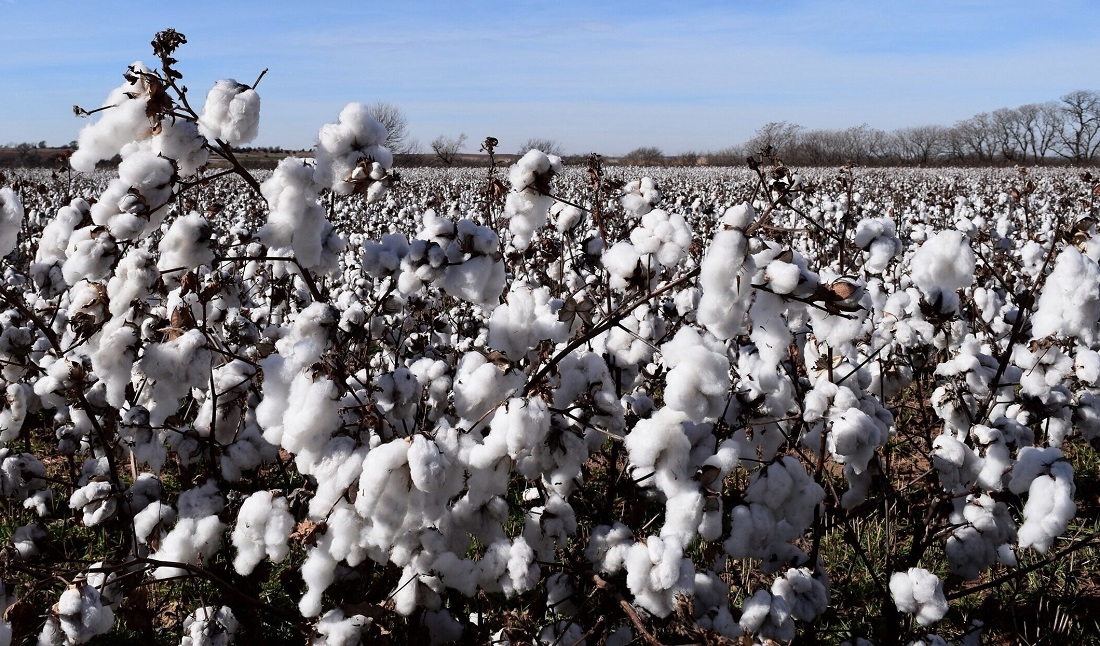
Cotton is tolerant to drought and salts and is grown in rainfall deficient regions like West Texas and Africa. Growers are adopting many sustainable practices such as no or reduce till, reduced fertiliser inputs, while aligning sustainability with profitability stated Dr Hake.
I have articulated sustainability as a system with 3Es: 1) Environmental; 2) Energy and 3) Economical in an article, “Sustainability in the industry: where do we go next?â€.
Cotton crop provides job for many farmers in countries like India where a farmer may own one hectare or less. This helps with social sustainability giving opportunities for farmers in developing regions of the world.
While there is no doubt that sustainable products come with cost, but over a period and life cycle of the products, the cost gets absorbed. As the cotton prices are riding above one dollar per pound now, with inflation high in four decades in the United States, how such increased cost would be received by consumers is interesting to observe.
One solution to tackle this price issue with natural fibres is to increase global production to reduce the price, stated Cairo-based Professor Mohamed Negm, Chairman of International Cotton Researchers’ Association. Perhaps, the global cotton production should increase to 35 million metric tonnes per year from the current level of about 25 million tonnes per year, added Professor Negm.
While technical textiles sector is dominated by synthetics, there is growing interest and push to go plastic free. “Sustainability can mean different things to different people, so there are a wide variety of sustainability claims made to get on this bandwagon, using terms like “natural†and “free from†and adding small percentages cotton, hemp, wood-based fibers and others. There is a push for a “plastic-free†wipes substrate by 2025, and a lot of material science activity to achieve this,†stated Dave Rousse, President of Cary-based Association of the Nonwoven Fabrics Industry (INDA).
Climate change issue has heightened the need to go sustainable in all sectors. Immediate need is to engage in dialogue with all stakeholders, particularly with consumers by improved communication strategy.
More importantly, immediate research investments need to be made by both private and public entities. Benefits to such investments are huge, stated Dr Hake by highlighting few developments that have happened in the cotton sector like increased fiber strength, which has led to reduction in the weight of cotton garments and the amount of fiber needed to make durable products.
Plastic pollution is small water systems and large marine environments is attracting due attention, which drives the sustainable development of biodegradable products.
About the Author:
Dr Seshadri Ramkumar is the Professor, Nonwovens & Advanced Materials Laboratory, at Texas Tech University, Texas, USA. He can be reached on email: s.ramkumar@ttu.edu