Close Menu
Indian Textile Journal
  • Home
  • Market and Economy
    • Apparels & Garments
    • Fibres & Raw Materials
    • Home Textiles
    • Industry Update
  • Textile Machinery
    • Allied Equipment and Accessories
    • Automation
    • Dyeing, Processing & Finishing
    • Knitting
    • Printing
    • Spinning
    • Weaving
  • Tech Textiles
  • Sustainability
  • Resources
    • Trade Fair
    • Events
    • Videos
  • Interview & Opinion
  • Subscribe Now
  • Advertise
  • Digital
Facebook X (Twitter) YouTube LinkedIn
Indian Textile Journal
Epson
  • Home
  • Market and Economy
    • Apparels & Garments
    • Fibres & Raw Materials
    • Home Textiles
    • Industry Update
  • Textile Machinery
    • Allied Equipment and Accessories
    • Automation
    • Dyeing, Processing & Finishing
    • Knitting
    • Printing
    • Spinning
    • Weaving
  • Tech Textiles
  • Sustainability
  • Resources
    • Trade Fair
    • Events
    • Videos
  • Interview & Opinion
  • Subscribe Now
  • Advertise
  • Digital
Indian Textile Journal
Home » Nebraska researcher uses sorghum for textile dye
Industry Update

Nebraska researcher uses sorghum for textile dye

By September 7, 20171 Min Read
Share Facebook Twitter LinkedIn WhatsApp Copy Link

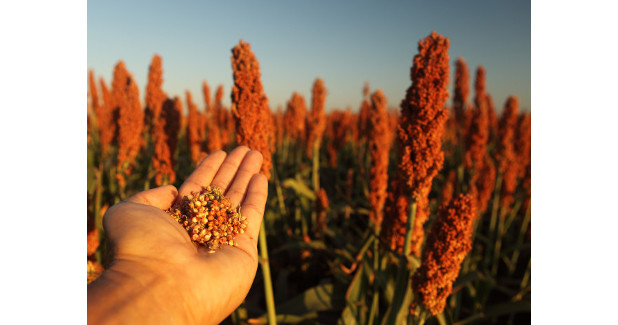
Nebraska researcher Yiqi Yang is using the by-products of sorghum as a colorant for textiles. The Charles Bessey Professor of biological systems engineering and of texiles, merchandising and fashion design is using wool to start his research, but hopes that in the future sorghum can be used on other textiles and throughout many industries. Sorghum is a cereal grain used for food in some countries, but in the US it is commonly used as livestock feed and turned into ethanol. Sorghum is also a major source for making liquor. The grain tends to be drought resistant, making it a popular crop to grow in dry climates.

After using the sorghum starch for industrial applications, the coproducts and byproducts that remain are called distillers grains. Distillers grains from corn digests easier than sorghum, so Yang’s research looks to add a better value application for the sorghum industry for Nebraska. Yang and a group of PhD students are currently working to see if the higher cross-linked proteins can have industrial applications, such as food-packaging materials or fibres for textiles.

Previous ArticleUS asks UN to block textile exports from N Korea
Next Article Kornit Digital’s Vulcan printer bags top SGIA award

Related Posts

Turkmenistan sees focus on high-tech Italian textile machinery

May 29, 2026

RIICO begins plot allotment at Rupaheri Textile Park in Bhilwara

May 18, 2026

Tamil Nadu CM seeks PM Modi’s intervention to scrap 11% cotton import duty

May 18, 2026
Recent Posts
  • Vipul Organics PAT rises 55.63% in FY26
  • Bombay Dyeing launches Summer 2026 collection inspired by modern comfort
  • 30,000 RPM Performance Benchmark: LMW LRJ 9 Ring Frame Delivers High-Speed Spinning Excellence At LS Mills
  • How tech-enabled ecosystems are powering the next phase of textile manufacturing
  • Pediatric decontamination for children’s health & safety
  • Turkmenistan sees focus on high-tech Italian textile machinery
  • CAI estimates cotton crop at 334 lakh bales
  • Nesterra’s At Home series crosses 100M views
Facebook X (Twitter) YouTube LinkedIn
  • About us
  • Contact us
  • Privacy Policy
  • Terms and Conditions

SISTER PUBLICATIONS

Construction World Equipment India Industrial Product Finder Infrastructure Today

© 2026 Indian Textile Journal. All Right Reserved.

Type above and press Enter to search. Press Esc to cancel.