


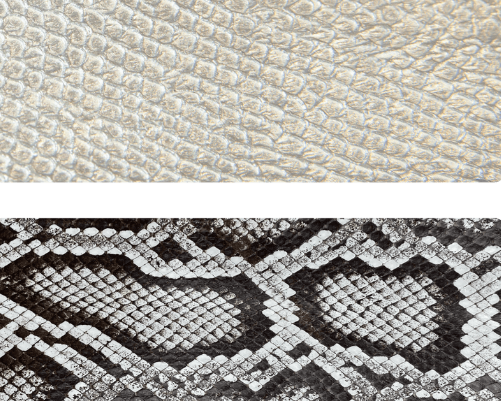
Chavda brothers co-founded INVERSA with school mate Roland Salatino which is using the skin of the invasive species to develop shoes, handbags, and other fashion products, informs Dr Seshadri Ramkumar.
Sustainable fashionable goods can be produced from invasive harmful species.
Tampa, Florida-based INVERSA is endeavouring to save the ecosystem by developing useful and sustainable products from non-native invasive species. INVERSA was founded in 2022 by two brothers and a schoolmate—a typical American entrepreneurial successful story which routinely happens in information technology and biotechnology fields.
Invasive species such as Lionfish, Dragonfin and Python are invasive species which are threats to native fish and other organisms in Gulf of Mexico, Mississippi river and Florida Everglades. Invasive species are responsible for the extinction of 60 per cent of valuable species.
In the Summer of 2011, brothers Kahan Chavda and Aarav Chavda, while being high school students in Dallas came to Lubbock and conducted brief summer research on cotton nonwovens in our Nonwovens and Advanced Materials Laboratory at Texas Tech University. The results from the brief study were presented as a poster at the 2011 TAPPI conference in Atlanta. The research curiosity, which sparked during the sojourn blossomed during higher studies, which led to creating the start-up.
In addition to these two high school students, Ronald Kendall, Jr, and Luke Kitten, from Lubbock participated in the study that involved my postdoctoral research, Utkarsh Sata. Ronald Kendall and Luke Kitten have become entrepreneurs, which is pleasing to report.
Chavda brothers co-founded INVERSA with school mate Roland Salatino which is using the skin of the invasive species to develop shoes, handbags, and other fashion products.
“We are excited to bring new fashion and advanced materials,†stated Aarav Chavda. Individual Lionfish lays about 6 million eggs per year, which kills small fish, and supports the growth of algae suffocating coral reefs, added Chavda. In speaking to me, Chavda stressed the importance of sustainable materials to positively impact the world.
Start-ups like INVERSA are endeavouring to save our planet by protecting native species. More importantly, they convert invasive species to fashion goods resulting in net positive effect on consumers.
Acquiring the materials for large scale production may be difficult, but we have been successful, stated Chavda.
“Ecosystem protection resonates well with the consumers and the reception for our products has been exciting,†said Chavda.
INVERSA’ s mission is “sustainable fashion can heal the world.â€
It is pleasing to see how research initiation happened to high school students at the Nonwovens and Advanced Materials Laboratory, Texas Tech University is spearheading start-up culture in sustainable products.
About the author:
Dr Seshadri Ramkumar is a Professor, Nonwovens & Advanced Materials Laboratory in Texas Tech University, Lubbock, TX, USA.