

Spykar Leads India’s Denim Shift
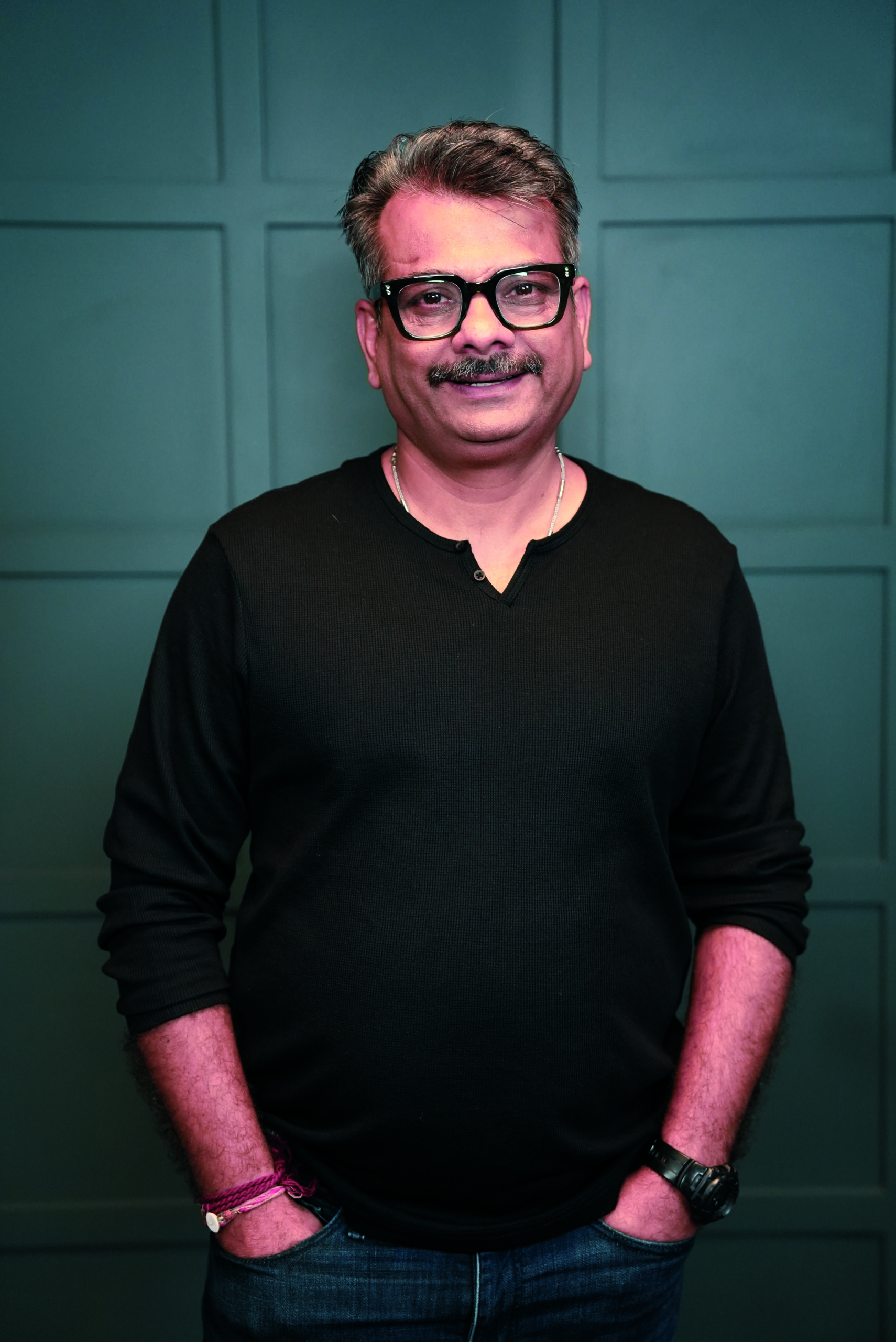
Denim in India is no longer just a wardrobe staple — it’s a statement of comfort, identity, and conscious fashion. As silhouettes loosen, fabrics lighten, and sustainability takes centre stage, the market is evolving at a rapid pace. In a conversation with Divya Shetty, Sanjay Vakharia, Co-Founder and CEO, Spykar, shares insights into the shifting dynamics of India’s denim landscape. From youth-driven style movements and performance innovations to eco-friendly processes and digital transformation, he outlines how the brand is blending global trends with local sensibilities while redefining everyday denim for a new generation.
Evolving consumer choices
The Indian denim market has undergone a significant transformation over the past five years, reflecting a shift in consumer expectations and lifestyle preferences. What was once primarily seen as functional clothing has evolved into a versatile fashion statement that prioritises comfort, individuality, and adaptability.
According to Vakharia, the market has matured considerably, with consumers seeking more than just durability or price value. “The Indian denim industry is much more mature than it was five years ago. Consumers are not just buying denim as a functional piece of clothing; they want fashion, comfort, and versatility as well,” he explains.
The shift is visible in changing silhouettes and material preferences. Lighter fabrics, relaxed fits, and comfort-driven designs have gained traction, reflecting a broader global movement towards ease and wearability. Sustainability, too, is becoming a key purchase driver, influencing both product design and manufacturing practices.
Denim is also transcending its traditional association with casual wear. Increasingly, consumers are incorporating denim into semi-formal and occasion-based wardrobes, expanding its role within everyday fashion. This behavioural change has reshaped how brands approach design, positioning, and product innovation, reinforcing denim’s place as a versatile category rather than a single-use garment.
Global yet local
As international fashion and sustainability trends influence consumer choices, maintaining a balance between global relevance and local appeal has become essential for brands operating in India. Spykar’s design philosophy centres on adapting worldwide trends while ensuring they resonate with Indian sensibilities.
Vakharia highlights that the brand closely monitors global denim developments but filters them through a local lens. “Our design philosophy is a balance of worldwide trends and Indian consumption trends and pricing,” he says, emphasising the importance of accessibility alongside style.
Sustainability also plays a central role in the company’s approach, shaping both product offerings and operational processes. At the same time, the brand remains deeply connected to youth culture, which continues to drive its identity and creative direction. The aim, he notes, is “to be very global yet maintain a strong connection” with the evolving aspirations of Indian consumers.
This dual approach enables the brand to remain competitive in a rapidly changing fashion environment while preserving its relevance in a culturally diverse market. By aligning international aesthetics with local consumption patterns, the company seeks to create products that feel both contemporary and accessible.
Youth-driven identity
A strong understanding of India’s youth segment has been central to the brand’s positioning in a competitive denim market. Rather than catering to a broad demographic, Spykar has focused on decoding the mindset, preferences, and lifestyle of younger consumers.
Vakharia attributes the brand’s differentiation to its deep engagement with youth culture. The company offers denim that is expressive, trend-forward, and comfortable, without appearing generic or mass-produced. Its strengths lie in distinctive fits, innovative washes, and styling that reflects changing fashion narratives.
Equally important is the brand’s ability to respond quickly to emerging trends. Speed-to-market capabilities allow it to translate global and local influences into retail offerings efficiently, ensuring relevance in a fast-moving category. This responsiveness, combined with consistent brand storytelling and product innovation, helps maintain its competitive edge.
The emphasis on individuality and self-expression also aligns with the broader cultural shift among younger consumers, who increasingly view fashion as a reflection of personal identity rather than mere utility.
Innovation focus areas
Innovation has become a defining factor in modern denim manufacturing, encompassing fabric engineering, finishing techniques, and environmental responsibility. For Spykar, product development revolves around enhancing both performance and sustainability.
“We’re working to bring sustainable denim options, including reduced water washes, eco-friendly finishes, and responsible fibres,” Vakharia notes. These initiatives aim to reduce environmental impact while maintaining product quality and aesthetic appeal.
The brand is also exploring performance-driven denim designed for improved comfort, stretch, and breathability. Such developments cater to consumers seeking garments that support all-day wear without compromising on style. Advanced washing techniques that minimise environmental impact while delivering premium finishes have also emerged as a key focus area.
Through these efforts, the company aims to redefine denim as a category that combines technical innovation with responsible production, responding to growing consumer awareness around sustainability.
Digital transformation edge
Technology and automation are reshaping the global apparel industry, enabling faster production cycles and improved operational efficiency. Spykar has been integrating digital tools across its design and manufacturing processes to enhance speed-to-market and product quality.
Automation in design, sampling, and production helps streamline workflows and reduce turnaround times. At the same time, data-driven planning allows the company to anticipate trends and optimise inventory management more effectively.
Vakharia explains that improved manufacturing systems have enhanced consistency while enabling quicker response to market demand. The integration of technology not only improves operational efficiency but also strengthens the brand’s ability to adapt to changing consumer expectations in a dynamic retail environment.
Scalable sustainability vision
As sustainability becomes increasingly important within the fashion industry, brands face the challenge of balancing environmental responsibility with commercial viability. Spykar’s approach focuses on scalable solutions that can be implemented across large product volumes.
Rather than pursuing limited or experimental initiatives, the company emphasises processes and materials that can be widely adopted. These include water-saving technologies, responsible sourcing practices, and sustainable manufacturing methods designed to reduce environmental impact without compromising affordability.
Vakharia underscores the importance of making sustainability accessible. The objective, he explains, is to integrate responsible practices into everyday production, ensuring they become standard rather than niche. This approach reflects a broader industry shift towards embedding sustainability within core business strategies.
Future growth strategy
Looking ahead, the company’s strategic priorities centre on innovation, expansion, and digital growth. Product development remains a key focus, with plans to strengthen both denim and non-denim offerings while enhancing manufacturing capabilities.
The brand also aims to deepen its sustainability initiatives and expand its presence across key domestic and international markets. Strengthening digital infrastructure and building a robust omni-channel ecosystem form an integral part of this vision, reflecting the growing importance of online and integrated retail experiences.
Vakharia points to opportunities for taking the brand’s design sensibility and denim expertise to newer global markets while continuing to lead within India’s youth segment. By combining innovation, sustainability, and digital transformation, the company seeks to remain at the forefront of the evolving denim landscape.
As consumer expectations continue to shift and fashion cycles accelerate, the future of denim in India appears poised for continued transformation. Through a balance of global inspiration, local relevance, and responsible innovation, Spykar aims to shape the next chapter of this dynamic category.
