Close Menu
Indian Textile Journal
  • Home
  • Market and Economy
    • Apparels & Garments
    • Fibres & Raw Materials
    • Home Textiles
    • Industry Update
  • Textile Machinery
    • Allied Equipment and Accessories
    • Automation
    • Dyeing, Processing & Finishing
    • Knitting
    • Printing
    • Spinning
    • Weaving
  • Tech Textiles
  • Sustainability
  • Resources
    • Trade Fair
    • Events
    • Videos
  • Interview & Opinion
  • Subscribe Now
  • Advertise
  • Digital
Facebook X (Twitter) YouTube LinkedIn
Indian Textile Journal
Epson
  • Home
  • Market and Economy
    • Apparels & Garments
    • Fibres & Raw Materials
    • Home Textiles
    • Industry Update
  • Textile Machinery
    • Allied Equipment and Accessories
    • Automation
    • Dyeing, Processing & Finishing
    • Knitting
    • Printing
    • Spinning
    • Weaving
  • Tech Textiles
  • Sustainability
  • Resources
    • Trade Fair
    • Events
    • Videos
  • Interview & Opinion
  • Subscribe Now
  • Advertise
  • Digital
Indian Textile Journal
Home » Sanjay Jain: The Budget must place stronger emphasis on productivity-linked skilling
Industry Update

Sanjay Jain: The Budget must place stronger emphasis on productivity-linked skilling

Divya SBy Divya SJanuary 28, 20262 Mins Read
Share Facebook Twitter LinkedIn WhatsApp Copy Link

As we look ahead to the 2026 Union Budget, the textile and apparel industry is hopeful that the government will consider measures that strengthen sectoral resilience and global competitiveness. Recent international trade turbulence including elevated US tariffs and ongoing global supply chain disruptions has placed significant pressure on key textile and apparel export hubs. Tariff shocks of up to 50 per cent have severely impacted order continuity for MSME manufacturers operating on already thin margins. Targeted fiscal support for such clusters will be critical to safeguarding jobs, sustaining exports, and preserving India’s manufacturing base.

At the same time, the Budget must help textile and apparel exporters fully leverage upcoming trade agreements, particularly the UK-India and EU-India FTAs. With the UK-India agreement alone expected to add over £25 billion in annual bilateral trade over time, and the EU already accounting for goods trade worth around €120 billion with India, timely policy alignment can enable Indian textile suppliers to scale faster, improve market access, and strengthen India’s position as a reliable global sourcing hub.

In parallel, accelerating on-ground execution of PM MITRA parks should be a key priority, as they are central to building a globally competitive, integrated textile manufacturing ecosystem. With an outlay of Rs 44.45 billion through 2027–28 and investment commitments exceeding Rs 420 billion, faster infrastructure development will directly enhance manufacturing scale, efficiency, and India’s standing within international supply chains.

Finally, the Budget must place stronger emphasis on productivity-linked skilling in the textile and apparel sector. While the Samarth scheme has been extended till March 2026, greater focus on productivity-led upskilling and supervisor-level capabilities will be critical to sustaining global competitiveness.

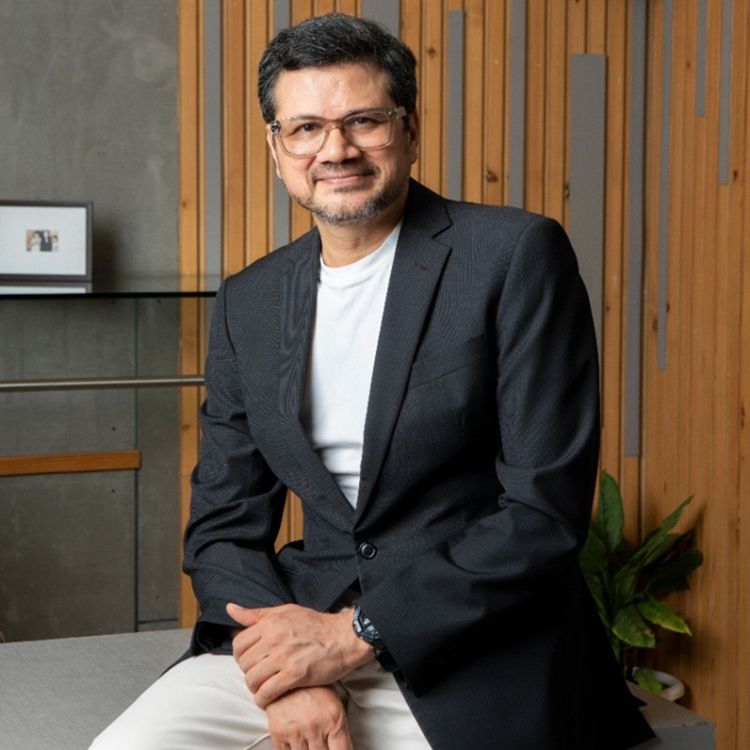
This view is presented by Sanjay Jain, Group CEO, PDS Limited

Previous ArticleMadhu Sudhan Bhageria: The EU–India trade agreement is not just an export opportunity, but a quality filter
Next Article Balaji Kannan: Budget 2026 presents a pivotal opportunity to fuel sustainable consumption-led growth

Related Posts

The future of responsible apparel supply chains

June 22, 2026

The biggest product development mistakes brands continue to make

June 22, 2026

India’s textile sector posts 2.1% growth in FY25-26

June 15, 2026
Recent Posts
  • From Waste Fabric to New Yarn: Why Material Origin Matters in Textile Recycling   
  • Recycled fibres: the vital data for quality and profitability
  • Turning tariff relief into quality advantage in New Zealand 
  • Why texture has become the new currency of luxury interiors
  • How wall textiles are redefining interior design
  • Turning tariff relief into quality advantage in New Zealand 
  • Sustainable home textiles: Balancing design, durability and responsibility
  • Zagis Strengthens Competitiveness with Rieter Spinning System
Facebook X (Twitter) YouTube LinkedIn
  • About us
  • Contact us
  • Privacy Policy
  • Terms and Conditions

SISTER PUBLICATIONS

Construction World Equipment India Industrial Product Finder Infrastructure Today

© 2026 Indian Textile Journal. All Rights Reserved.

Type above and press Enter to search. Press Esc to cancel.