


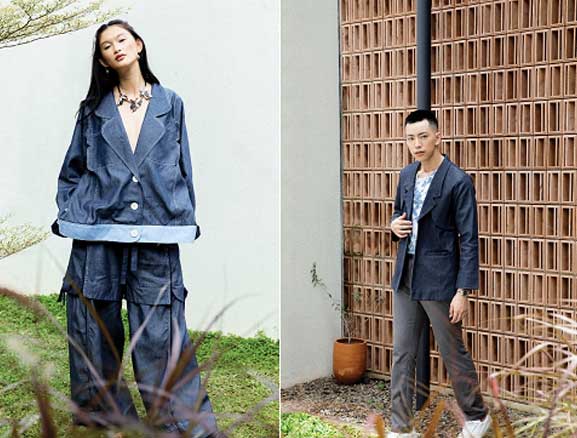
Denim is an essential part of everyday life. It goes with any outfit and looks good on everyone. Despite a variety of innovative materials, denim remains one of the most versatile, durable and desirable fabrics on the market.
It’s hard to imagine a wardrobe without denim, especially jeans. The forever young, mostly blue fabric, is arguably the most popular piece of clothing in the world. Jeans transcend gender, age, and most people own more pairs than there are days in a week.
But the success of denim jeans has its price. On average, it takes about 1,500 litres (that’s roughly 396 gallons) of water to produce a single pair of jeans. It also consumes a high amount of energy which is used for dyeing and repeatedly washing. Not only that, to give jeans its distinctive look and feel a lot of chemicals are used which when not treated properly will pollute water systems, taxing humans and the environment.
Realistically, these stats don’t stop you from buying jeans. But as responsible consumers, we can do our part by choosing more sustainable and eco-friendly materials. Fortunately, there is a shift going on not only among buyers, but also among fashion brands and their suppliers. The transformation of the denim industry is now in full swing, with leading fashion companies, manufacturers, suppliers and denim industry organizations working together on sustainability initiatives.
A new form of ‘sustainable’ denim is emerging as manufacturers respond to consumer demand for eco-friendly fabrics and eco-friendly production processes. Jeans and garment innovations have been able to save water and energy, replace pollutants, and ensure safe manufacturing and finishing processes.
APR contributes to a positive change in viscose denim especially in its finishing process, making a significant contribution in resource-efficient and environmentally-friendly manufacturing processes.

Perfect everyday denim fit
Viscose rayon is already recognised in the market for its breathability and durability. Made from wood fibres, it offers a very high level of comfort while maintaining high strength and longevity characteristics. Therefore, viscose rayon is biodegradable and renewable compared to other fabric. Moreover, APR has received USDA (United States Department of Agriculture) certification on its viscose staple fibre as 100 per cent biobased and made from 100 per cent cellulose.
APR viscose sets the next wave for soft touch denim. Viscose rayon can be blended with cotton to create a material that is smooth to the touch, softer than silk, with exceptional moisture wicking management properties and extreme flexibility, providing denim products the consumers can highly appreciate. Clothing brands can take advantage of this by offering garments made using Sustainable manufacturing processes that use renewable resources.
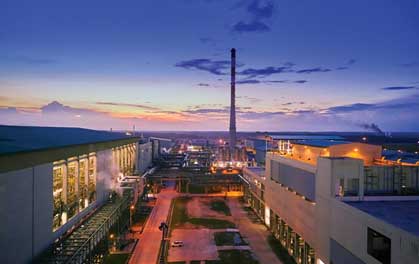
About Asia Pacific Rayon
Asia Pacific Rayon (APR), based in Indonesia, is Asia’s first fully integrated viscose rayon producer, from plantation to viscose fibre. APR, which has a capacity of 300,000 tonnes per year, is located in Pangkalan Kerinci, Riau Province, Indonesia, alongside pulp supplier APRIL. APR and APRIL are both part of Royal Golden Eagle (RGE), group of companies.