Close Menu
Indian Textile Journal
  • Home
  • Textile Machinery
    • Allied Equipment and Accessories
    • Automation
    • Dyeing, Processing & Finishing
    • Knitting
    • Printing
    • Spinning
    • Weaving
  • Tech Textiles
  • Sustainability
  • Resources
    • Trade Fair
    • Events
    • Videos
  • Interview & Opinion
  • Subscribe Now
  • Advertise
  • Digital
  • Apparels & Garments
  • Fibres & Raw Materials
  • Home Textiles
  • Industry Update
Facebook X (Twitter) YouTube LinkedIn
Indian Textile Journal
Epson
  • Home
  • Textile Machinery
    • Allied Equipment and Accessories
    • Automation
    • Dyeing, Processing & Finishing
    • Knitting
    • Printing
    • Spinning
    • Weaving
  • Tech Textiles
  • Sustainability
  • Resources
    • Trade Fair
    • Events
    • Videos
  • Interview & Opinion
  • Subscribe Now
  • Advertise
  • Digital
  • Apparels & Garments
  • Fibres & Raw Materials
  • Home Textiles
  • Industry Update
Indian Textile Journal
Home » Rajeev Gupta: The inclusion shuttle-less looms in fully exempted textile machinery is a progressive step
Industry Update

Rajeev Gupta: The inclusion shuttle-less looms in fully exempted textile machinery is a progressive step

By February 1, 20251 Min Read
Share Facebook Twitter LinkedIn WhatsApp Copy Link

The Union Budget for FY 2025-26 introduces key reforms to promote domestic production of technical textile products such as agro textiles, geo textiles and medical textiles at competitive prices. The inclusion of two more shuttle-less looms in the list of fully exempted textile machinery is a progressive step toward expanding production capacity in textile manufacturing. The government’s emphasis on Atmanirbharta through increased indigenous textile production aligns well with the proposed revision of the Basic Customs Duty (BCD) rate on knitted fabrics across nine tariff lines—from 10 per cent or 20 per cent to 20 per cent or Rs 104 per kg, whichever is higher. The government’s commitment to providing technical and R&D support for cotton farmers under the 5 years mission is a welcome move. This initiative is expected to improve cotton farming efficiency and promote diverse cotton varieties.

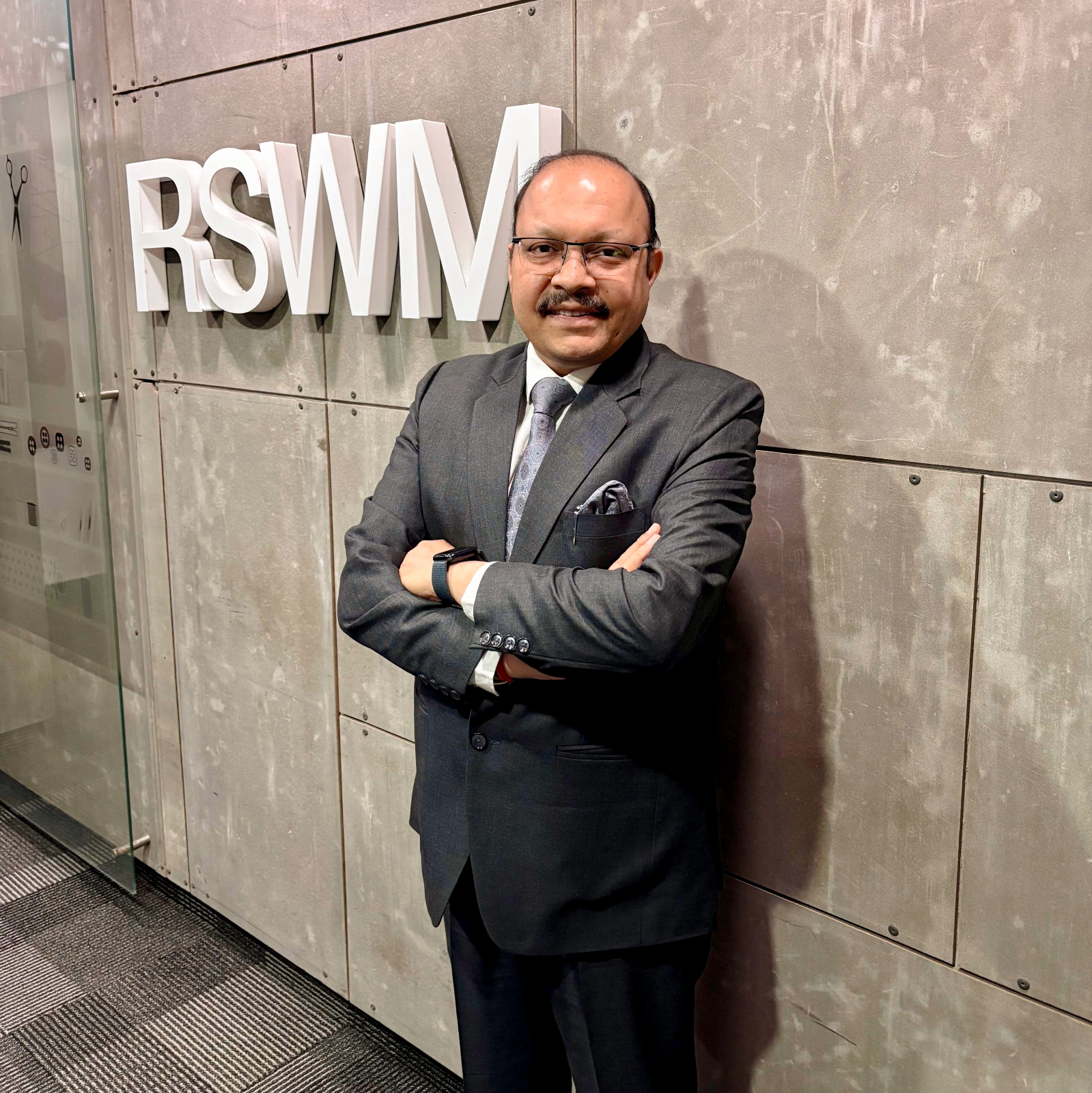
The opinion is presented by Rajeev Gupta, CEO, RSWM

Previous ArticleNirmala Sitharaman: Extra long staple cotton production to get a boost
Next Article Budget 2025: Key takeaways for India’s textile industry

Related Posts

Vipul Organics starts operations at greenfield facility in Sayakha, Gujarat

August 24, 2026

“The value of handloom lies precisely in the time, skill and human effort that goes into making it.”

August 21, 2026

Vipul Organics Q1 FY27 PAT rises 99.75% as revenue grows 38.44%

August 18, 2026
Recent Posts
  • AI –A friend & not enemy of textile industry
  • ITMA ASIA + CITME 2026 Shanghai showcases intelligent and sustainable manufacturing
  • Smart chemistry for textile innovations
  • Recombinant spider silk: Production, properties, and applications
  • Global textile sector responds enthusiastically to ITMA 2027
  • How tech-driven fulfilment is reshaping E-commerce and textile logistics
  • Puspen Maity: Performance apparel is becoming relevant to a wider consumer base
  • Building India’s Composite Industry for Strategic Growth
Facebook X (Twitter) YouTube LinkedIn
  • About us
  • Contact us
  • Privacy Policy
  • Terms and Conditions

SISTER PUBLICATIONS

Construction World Equipment India Industrial Product Finder Infrastructure Today

© 2026 Indian Textile Journal. All Rights Reserved.

Type above and press Enter to search. Press Esc to cancel.