


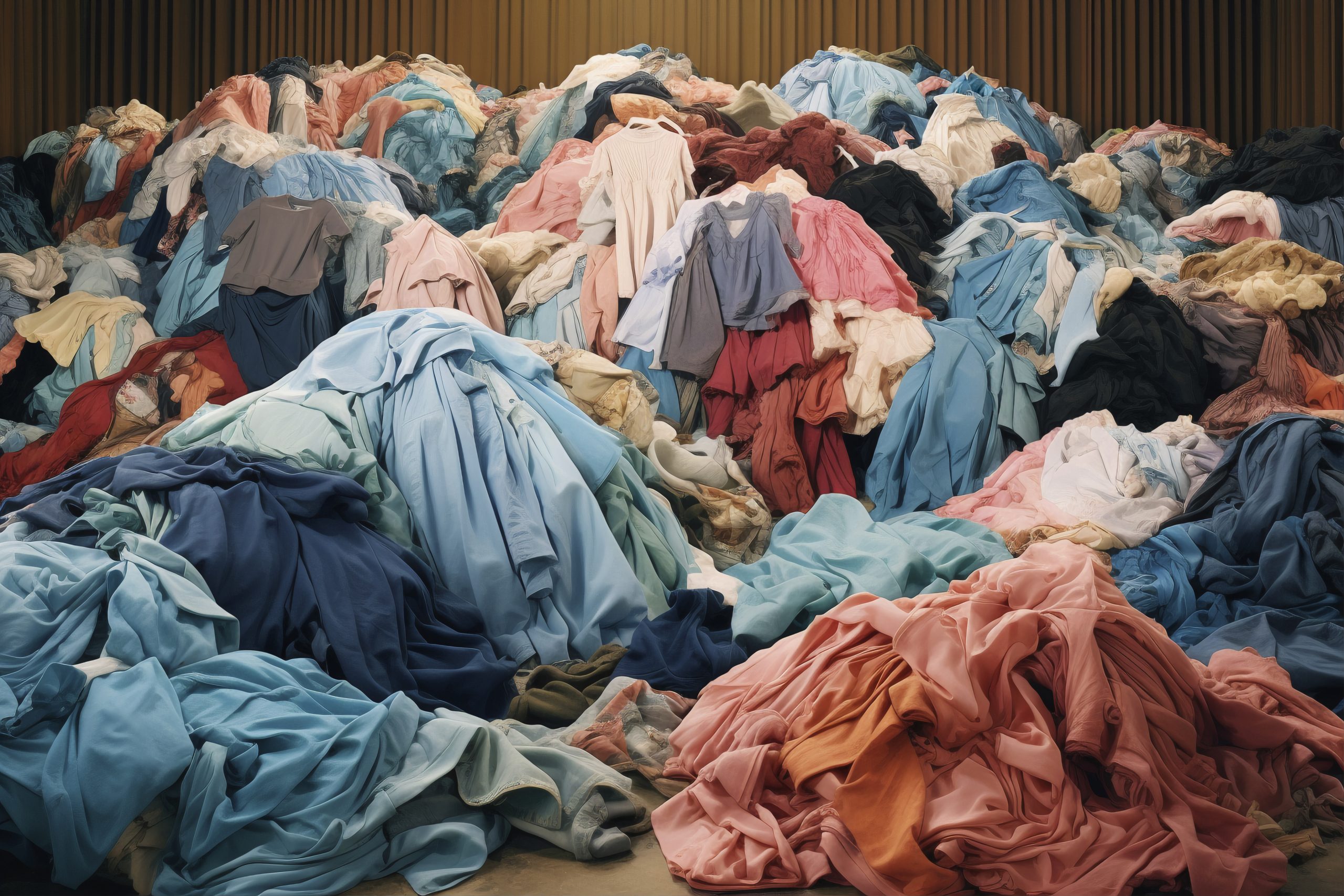
While the PMC has set up 12 biogas plants to process wet waste and 13 plants for dry waste, textile waste—comprising about 10 per cent of the dry waste—has remained a persistent issue.
The Pune Municipal Corporation (PMC) has announced plans to establish its first dedicated textile waste processing unit to address the growing concerns surrounding textile waste in the city. This initiative is aimed at managing the 100 to 125 tonne of textile waste generated daily, which has become increasingly difficult to handle with the city’s current waste management infrastructure. Pune is currently facing significant waste management challenges, producing approximately 1,200 to 1,300 tonne of dry waste and 900 to 1,000 tonne of wet waste daily. While the PMC has set up 12 biogas plants to process wet waste and 13 plants for dry waste, textile waste—comprising about 10 per cent of the dry waste—has remained a persistent issue.
Textile waste, which includes items such as mattresses, cushions, clothes, sofa cushions, glass fibres, furniture, leather bags, and shoes, requires specialised processing due to its unique nature.
The proposed textile waste processing unit is expected to address this challenge by providing a dedicated facility that will process textile waste in an environmentally friendly and sustainable manner. This unit will not only help manage the increasing volume of textile waste but also ensure that the waste is handled in a way that minimises environmental harm.
The new unit would process textile waste in an eco-friendly way to prevent damage to the environment. He also pointed out that many people fail to consider the impact of this waste on nature.
The PMC is in the process of finalising the location for the new unit, with the decision dependent on receiving necessary permissions from the Maharashtra Pollution Control Board (MPCB). The tender for setting up the unit is expected to be issued later this month, marking an important step forward in managing textile waste, which has become one of the most challenging waste categories.
The estimated cost for setting up the dedicated textile waste processing unit is between Rs 30-40 million, although the final cost may vary depending on factors such as land allocation and the machinery required for the facility. The PMC aims to create a sustainable solution for handling the growing textile waste and reduce the strain on the city’s existing waste management systems.
This initiative is part of Pune’s broader efforts to enhance its waste management system. With the city’s population growing and waste volumes increasing annually, the PMC has been under pressure to find new and effective ways to manage different types of waste.