


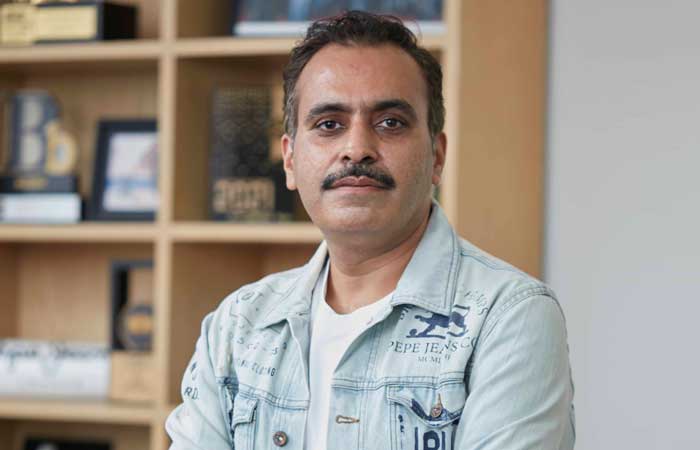
Pepe Jeans London has been at the forefront of international denim-led fashion for the past 50 years, being able to create an internationally recognised brand with a unique strategy and reputation. The company has created the best possible collections and the most exciting retail environments while remaining sincere to the brand’s DNA and in particular the roots in London’s Portobello Road. Manish Kapoor, Chief Executive Officer and Managing Director, Pepe Jeans London, India, provides insights into the denim market and discusses the company’s approach to meeting its demands in a conversation with Divya Shetty.
Can you brief us about Pepe Jeans.
We are a lifestyle brand with a primary focus on denim, and although jeans are our core offering, we also excel in top wear, including shirts and T-shirts, as well as winterwear. We cater to men’s, ladies and kids as segments. We have also extended the brand across other lifestyle categories like footwear and accessories. The brand works with third party vendors primarily making in India for India and does not own any manufacturing facilities. We ended FY22-23 with a consumer sales of Rs 1180 crore and expect to grow 16 per cent in FY23-24.
What is your highest demanding segment and what is the reason behind the demand?
Denim is the biggest segment contributing to around 55 per cent of the business. This is led by the brand’s heritage and constant innovation in the category. Our unwavering focus on quality and evolving styles has solidified our position as leaders in the denim market.
What is the recent trend in denims and how is your company tapping those trends?
Denim has become a more mainstream product with increase in usage occasions across the consumers lifestyle. Major trends on denim are led by both fashion and functionality to cater to these lifestyle choices of the consumer. Pepe is tapping onto these trends by introducing products like Powerflex (super stretch for comfort), Heritage ( premium denim for casual or occasion wear), Gym indigo (knitted denims for comfort) and the Pepe Future line which brings sustainability into focus throughout the manufacturing value chain (sustainable materials, processes and water saving).
How is your company implementing sustainable practices in your manufacturing process?
Pepe Future’ is our Umbrella sustainability program where we work with our vendor partners on materials, processes and water saving practices to make an impact across the value chain. Sustainable materials like Ecovera, technologies like Wiser Wash and use of non-polluting chemicals and biodegradable materials are examples of multiple aspects that we have commercialised.
What digital practices is your company incorporating to increase its efficiency?
We are working on digital transformation of the complete value chain right from design to consumer interface. Complete visibility of the production process across our vendor partners, taking the whole human resource management solution on cloud, digitising learning & development, online performance management, launch of India consumer site (Pepejeans.in), implementation of Order Management System and Omnichannel capabilities and building of Data Lake are some of the steps we have taken to build efficiencies. Marketing is where we have really pushed the envelope on digital. From social media & YouTube to CRM, we have been expanding the possibilities of reaching our customers through the digital medium. Even in terms of split on budgets, we have seen digital grow almost by almost 100 per cent in the last 3 years. Performance marketing & Influencer Marketing have been big contributors in getting to the right customer and recruiting new ones. Content has taken over with the increase in usage of personal devices. For us digital is an ideal and consistent medium and to enhance customer experience through story telling.
Can you elaborate on the company’s global presence?
We are part of the AWWG (All We Wear Group) which owns brands like Hackett and Faconnable apart from Pepe Jeans. Present in 40+ countries employing more than 4500 people across 66 nationalities we have 500+ standalone stores and 5000 plus points of sales generating a billion plus euros in revenue in consumer sales.
What are the current challenges as well as the opportunities in the denim industry?
Amidst overarching challenges posed by macroeconomic and geopolitical factors, the notable opportunities, particularly from an Indian standpoint, lie in the untapped potential due to the vast population size and the yet-to-be-explored share of denim in consumers’ wardrobes. As we navigate these challenges, strategic market penetration and a focused approach to consumer preferences are integral to unlocking the full potential of the dynamic Indian market.
Please elaborate on the company’s future plans.
Although we engage in sales through various channels, our recent evolution over the past 2-3 years has been toward becoming a consumer-centric business. Moving forward, our primary emphasis will be on direct-to-consumer (DTC) channels, encompassing both online and offline platforms, including our website, partner portals, and standalone stores. In addition to the growth of our denim offerings, we anticipate significant expansion in non-denim categories. Particularly, the focus on womenswear and lifestyle categories, such as footwear and accessories, is poised to contribute to a projected 15-16 per cent compound annual growth rate (CAGR) over the next 3-4 years.