Close Menu
Indian Textile Journal
  • Home
  • Market and Economy
    • Apparels & Garments
    • Fibres & Raw Materials
    • Home Textiles
    • Industry Update
  • Textile Machinery
    • Allied Equipment and Accessories
    • Automation
    • Dyeing, Processing & Finishing
    • Knitting
    • Printing
    • Spinning
    • Weaving
  • Tech Textiles
  • Sustainability
  • Resources
    • Trade Fair
    • Events
    • Videos
  • Interview & Opinion
  • Subscribe Now
  • Advertise
  • Digital
Facebook X (Twitter) YouTube LinkedIn
Indian Textile Journal
Epson
  • Home
  • Market and Economy
    • Apparels & Garments
    • Fibres & Raw Materials
    • Home Textiles
    • Industry Update
  • Textile Machinery
    • Allied Equipment and Accessories
    • Automation
    • Dyeing, Processing & Finishing
    • Knitting
    • Printing
    • Spinning
    • Weaving
  • Tech Textiles
  • Sustainability
  • Resources
    • Trade Fair
    • Events
    • Videos
  • Interview & Opinion
  • Subscribe Now
  • Advertise
  • Digital
Indian Textile Journal
Home » PAU develops reusable BT cotton seeds
Industry Update

PAU develops reusable BT cotton seeds

By April 10, 20171 Min Read
Share Facebook Twitter LinkedIn WhatsApp Copy Link
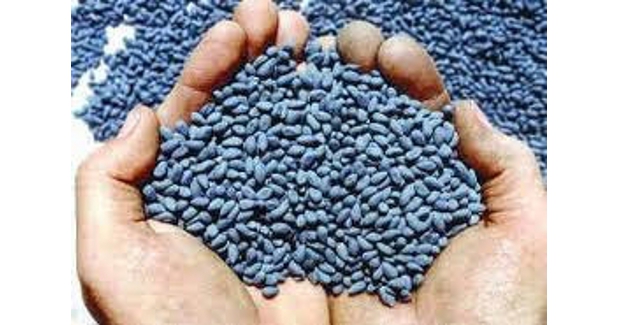
Punjab Agricultural University (PAU) has developed two varieties of BT cotton whose plant’s seed can be used in the next season and has become the first agriculture institute to develop reusable seeds. Once the Genetic-Engineering Appraisal Committee (GEAC) approves these seeds, these two varieties could be available to farmers by the 2018 cotton season.
"GEAC had given permission to Monsanto to commercially release hybrid Bollgard in 2002 and its patent had expired, so PAU felt the need to develop varieties, which would be out of the purview of patent," media reports quoted PAU board management member Satbir Singh Gosal as saying.
According to PAU, since a 450-gram packet of the hybrid BT cotton variety costs Rs 800 and a farmer uses two packets per acre, the farmer will save Rs 1,600 per acre.
"Tests have been conducted on these two varieties to evaluate quality and they have been found to be resistant to cotton leaf curl virus and are also anticipated to give yield equal to the current hybrid varieties," Gosal added.
Previous ArticleMutoh launches dye sublimation printer
Next Article Raymond to reposition four major brands

Related Posts

Meenakshi India reports FY26 revenue at Rs 1.58 billion

June 9, 2026

Training undergraduate and school students in textiles research

June 9, 2026

PDS earns Great Place to Work recognition in 10 countries

June 2, 2026
Recent Posts
  • Clean energy shift may save Tamil Nadu textiles Rs 32.50 billion
  • Spykar plans pan-India offline expansion with 100 new stores in two years
  • Meenakshi India reports FY26 revenue at Rs 1.58 billion
  • Grasim Industries to invest Rs 30.94 billion to boost lyocell capacity
  • Training undergraduate and school students in textiles research
  • CMAI launches used clothes upcycling drive
  • Trützschler IDF 3 unlocks short fibre processing potential
  • World Environment Day 2026 – 5 wardrobe choices combining style and sustainability
Facebook X (Twitter) YouTube LinkedIn
  • About us
  • Contact us
  • Privacy Policy
  • Terms and Conditions

SISTER PUBLICATIONS

Construction World Equipment India Industrial Product Finder Infrastructure Today

© 2026 Indian Textile Journal. All Rights Reserved.

Type above and press Enter to search. Press Esc to cancel.