Close Menu
Indian Textile Journal
  • Home
  • Textile Machinery
    • Allied Equipment and Accessories
    • Automation
    • Dyeing, Processing & Finishing
    • Knitting
    • Printing
    • Spinning
    • Weaving
  • Tech Textiles
  • Sustainability
  • Resources
    • Trade Fair
    • Events
    • Videos
  • Interview & Opinion
  • Subscribe Now
  • Advertise
  • Digital
  • Apparels & Garments
  • Fibres & Raw Materials
  • Home Textiles
  • Industry Update
Facebook X (Twitter) YouTube LinkedIn
Indian Textile Journal
Epson
  • Home
  • Textile Machinery
    • Allied Equipment and Accessories
    • Automation
    • Dyeing, Processing & Finishing
    • Knitting
    • Printing
    • Spinning
    • Weaving
  • Tech Textiles
  • Sustainability
  • Resources
    • Trade Fair
    • Events
    • Videos
  • Interview & Opinion
  • Subscribe Now
  • Advertise
  • Digital
  • Apparels & Garments
  • Fibres & Raw Materials
  • Home Textiles
  • Industry Update
Indian Textile Journal
Home » New cotton finishing technology
Industry Update

New cotton finishing technology

By November 20, 20182 Mins Read
Share Facebook Twitter LinkedIn WhatsApp Copy Link

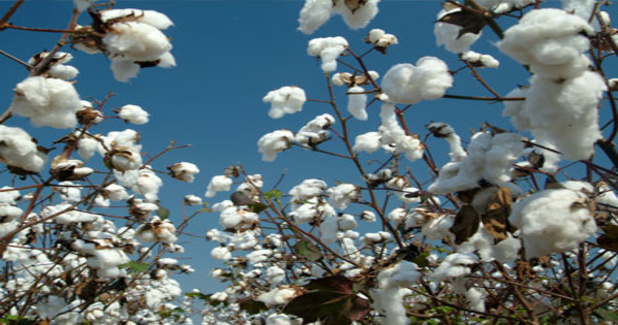
Ultra thin coating technology offers new opportunities for cotton finishing. As to the University of Georgia (UGA), Athens where a seminar on “Sustainable Materials: Mind to Market,” was held recently at the department of textiles, merchandising and interiors there, it was obvious how interdisciplinary research is vital to move the textiles sector forward.
 
Professors Sergiy Minko and Suraj Sharma of the department of textiles, merchandising and interiors at UGA are exploiting nanotechnology to develop sustainable dyeing and finishing techniques for cotton textiles. The research group has come-up with nanocellulose gels that can be used to dye cotton and blends.
 
Nanocellulose gels obtained from bleached pulp are dyed to obtain nanocellulose-dye dispersions, which are then coated on to textiles. Spray coating and screen printing methods can be used to obtain the coloration using the gels.
 
Anuradhi Liyanapathiranage, a research scholar from Sri Lanka, working on the project stated that pretreatments such as scouring and bleaching do not affect the dyeing efficiency. Smriti Rai from India has effectively utilised the ultrathin coating technology to dye cotton using reactive and indigo dyes. The gel technology uses less water and the dye fixation is higher than the exhaust method, stated Smriti Rai.
 
The research group is optimistic that cost-effective sustainable processes can be made commercially viable, which can move the textile industry into the next phase.

Previous ArticleTHEN Smarflow: Setting a new standard in jet dyeing
Next Article LANXESS to beef up Indian operations

Related Posts

“The value of handloom lies precisely in the time, skill and human effort that goes into making it.”

August 21, 2026

Vipul Organics Q1 FY27 PAT rises 99.75% as revenue grows 38.44%

August 18, 2026

Trident Group celebrates Tiranga Yatra, honouring the spirit of patriotism

August 17, 2026
Recent Posts
  • “The value of handloom lies precisely in the time, skill and human effort that goes into making it.”
  • India’s roadmap to becoming a global apparel hub
  • Latest Swedish textile machinery expansion at imogo
  • Maspar elevates Rakhi gifting with curated dining and hosting essentials
  • Vipul Organics Q1 FY27 PAT rises 99.75% as revenue grows 38.44%
  • Bombay Dyeing unveils festive elegance with Saughat, ethnicity and urban living collections
  • Cotton and nonwovens in technical textiles
  • Giriraj Singh inaugurates ‘Weave The Future 5.0’, unveils Visvakarma Gallery at revamped Handloom Haat
Facebook X (Twitter) YouTube LinkedIn
  • About us
  • Contact us
  • Privacy Policy
  • Terms and Conditions

SISTER PUBLICATIONS

Construction World Equipment India Industrial Product Finder Infrastructure Today

© 2026 Indian Textile Journal. All Rights Reserved.

Type above and press Enter to search. Press Esc to cancel.