


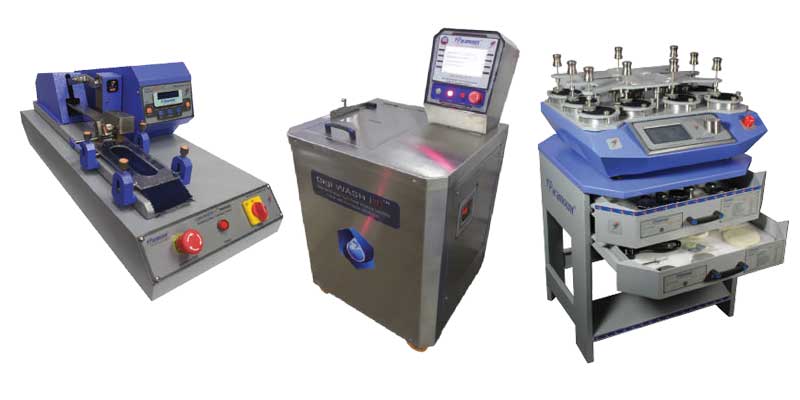
Investing in high-end quality control testing practices and instruments that adhere to all the required standards becomes vital to ensure long-lasting & durable end results are produced every time.
The textile sector in India holds a very strong ancient heritage in the Indian economy, which dates to several centuries. There is a wide variation in the industry with hand-spun and hand-woven textile sectors at one end of the spectrum and the capital-intensive sophisticated mills sector at the other end. The key strength of the textile industry in India is its strong production structure of a variety of fibres from natural fibres like cotton, jute, silk, and wool, to man-made fibres like polyester, viscose, nylon and acrylic. India’s massive textiles industry holds the capacity to produce a diverse range of products suitable for different market segments, both within India and Globally! The Yarn production contributes significantly to the textile value chain with India producing a variety of yarns, including cotton, wool, and synthetic blends.
Brief About the Dyeing, Processing, and Finishing in the Yarn Industry
The brief introduction of these segments are as follows;
Dyeing:
Dyeing is the process of adding colour to yarns/fabrics. India’s constant initiatives to encourage advanced dyeing facilities has helped in ensuring vibrant and long-lasting colours. Along with this, Sustainable and Eco-friendly dyeing practices are increasingly becoming important.
Processing: Processing is the step that involves yarn/fabric treatment to enhance their Quality and Durability and includes techniques like bleaching, mercerizing, and scouring. Advanced processing technologies help in ensuring that the yarns and fabrics are of premium quality and meet the International standards.
Finishing: The last process which is finishing gives yarns and fabrics the desired appearance, texture, and performance characteristics which is done through performing finishing processes like softening, wrinkle resistance, and water repellence.
It is estimated that the market for Indian textiles as well as apparels is projected to expand at a 10 per cent CAGR rate to reach $ 350 billion by 2030. It is quite clear that rising incomes and changing lifestyles in India are driving domestic demand for textiles and apparel. There is also a continued growing emphasis on sustainable and eco-friendly practices as consumers and global buyers prefer products that adhere to environmental standards along with the globally accepted National and International standards.
Considering these factors, investing in high-end quality control testing practices and instruments that adhere to all the required standards becomes vital to ensure long-lasting & durable end results are produced every time. This necessity highlights the importance of investing in robust quality control machines. With the fast-paced advancements in technology and a key focus on sustainability and quality, India is set to strengthen its position as a global textile powerhouse.