Close Menu
Indian Textile Journal
  • Home
  • Market and Economy
    • Apparels & Garments
    • Fibres & Raw Materials
    • Home Textiles
    • Industry Update
  • Textile Machinery
    • Allied Equipment and Accessories
    • Automation
    • Dyeing, Processing & Finishing
    • Knitting
    • Printing
    • Spinning
    • Weaving
  • Tech Textiles
  • Sustainability
  • Resources
    • Trade Fair
    • Events
    • Videos
  • Interview & Opinion
  • Subscribe Now
  • Advertise
  • Digital
Facebook X (Twitter) YouTube LinkedIn
Indian Textile Journal
Epson
  • Home
  • Market and Economy
    • Apparels & Garments
    • Fibres & Raw Materials
    • Home Textiles
    • Industry Update
  • Textile Machinery
    • Allied Equipment and Accessories
    • Automation
    • Dyeing, Processing & Finishing
    • Knitting
    • Printing
    • Spinning
    • Weaving
  • Tech Textiles
  • Sustainability
  • Resources
    • Trade Fair
    • Events
    • Videos
  • Interview & Opinion
  • Subscribe Now
  • Advertise
  • Digital
Indian Textile Journal
Home » India’s Textile Ministry aims to create a global hub for circular textiles
Sustainability

India’s Textile Ministry aims to create a global hub for circular textiles

By July 13, 20232 Mins Read
Share Facebook Twitter LinkedIn WhatsApp Copy Link

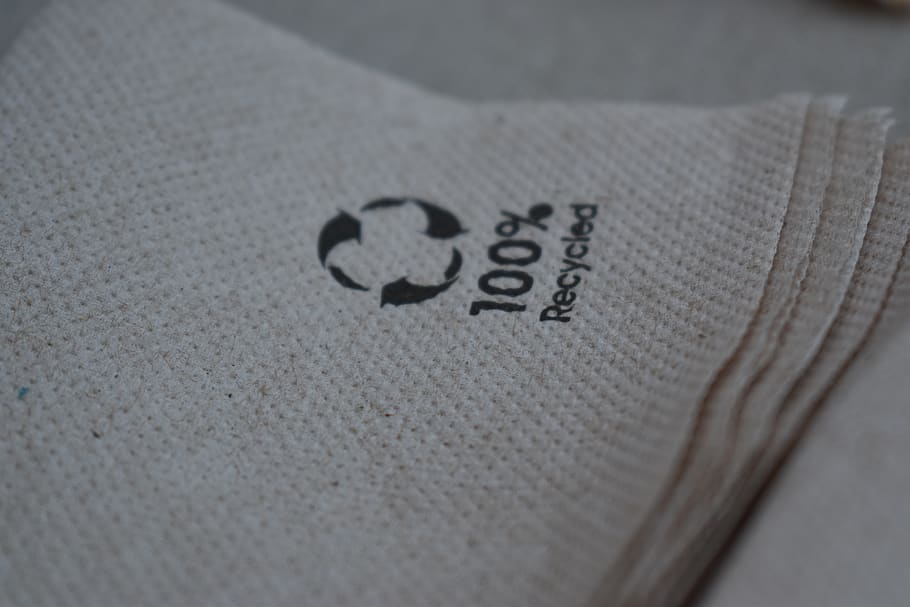
With the European Union planning to exclusively procure durable and recyclable textiles by 2030, India is set to employ consultants to map the value chain of textile waste.

In order to avoid being left behind as key textile markets, particularly the EU, embrace sustainable and recyclable textiles, the Indian government has taken the initiative to develop policies that would establish India as a global hub for sourcing such textiles and garments. The Ministry of Textiles plans to commence the mapping of the textile waste value chain within the country to support this goal. To accomplish this, they have issued a request for proposal (RFP) to hire a consulting agency that will conduct a study on the regulatory framework related to circularity in major export destinations and competitor nations, which may impact India’s textile exports. Currently, the recycling rate for textile-to-textile waste is estimated to be less than 1 per cent.

Circularity, as defined by the United Nations Environment Programme, aims to transition from the linear “take-make-dispose” value chain to a circular system where materials retain their value and remain within the economy for as long as possible after use. The EU, a significant market for Indian textiles and garments, has introduced the “EU strategy for sustainable and circular textiles,” which mandates that by 2030, all textile products sold in the EU must be durable, repairable, and recyclable. These products will largely need to be made from recycled fibres, free from hazardous substances, and manufactured in compliance with social and environmental standards. Japan and other developed markets are also exploring the implementation of circularity in textiles.

If India fails to devise plans for a gradual transition to circular textiles, it risks losing its well-established markets in the near future. The proposed mapping of the textile waste value chain in India aims to promote recycling and meet the demands of the future. The government’s objective is to increase India’s textiles exports to $ 100 billion, more than doubling the current value, within the next 5-6 years.

News source: The Hindu Business line

Previous ArticleMAS Holdings invests in HeiQ AeoniQ: A sustainable alternative to synthetics
Next Article Government adds 43 new partners for SAMARTH, with 5% more support

Related Posts

Clean energy shift may save Tamil Nadu textiles Rs 32.50 billion

June 9, 2026

CMAI launches used clothes upcycling drive

June 8, 2026

World Environment Day 2026 – 5 wardrobe choices combining style and sustainability

June 5, 2026
Recent Posts
  • RSWM retains IND A rating as outlook turns stable
  • Mumbai welcomes back HGH India 2026
  • Vipul Organics teams up with OMYA for European pigment distribution
  • ITM Istanbul 2026: ColorJet’s visibility extends across the entire exhibition
  • CMAI kidswear fair sees record participation 
  • Clean energy shift may save Tamil Nadu textiles Rs 32.50 billion
  • Spykar plans pan-India offline expansion with 100 new stores in two years
  • Meenakshi India reports FY26 revenue at Rs 1.58 billion
Facebook X (Twitter) YouTube LinkedIn
  • About us
  • Contact us
  • Privacy Policy
  • Terms and Conditions

SISTER PUBLICATIONS

Construction World Equipment India Industrial Product Finder Infrastructure Today

© 2026 Indian Textile Journal. All Rights Reserved.

Type above and press Enter to search. Press Esc to cancel.