Close Menu
Indian Textile Journal
  • Home
  • Market and Economy
    • Apparels & Garments
    • Fibres & Raw Materials
    • Home Textiles
    • Industry Update
  • Textile Machinery
    • Allied Equipment and Accessories
    • Automation
    • Dyeing, Processing & Finishing
    • Knitting
    • Printing
    • Spinning
    • Weaving
  • Tech Textiles
  • Sustainability
  • Resources
    • Trade Fair
    • Events
    • Videos
  • Interview & Opinion
  • Subscribe Now
  • Advertise
  • Digital
Facebook X (Twitter) YouTube LinkedIn
Indian Textile Journal
Epson
  • Home
  • Market and Economy
    • Apparels & Garments
    • Fibres & Raw Materials
    • Home Textiles
    • Industry Update
  • Textile Machinery
    • Allied Equipment and Accessories
    • Automation
    • Dyeing, Processing & Finishing
    • Knitting
    • Printing
    • Spinning
    • Weaving
  • Tech Textiles
  • Sustainability
  • Resources
    • Trade Fair
    • Events
    • Videos
  • Interview & Opinion
  • Subscribe Now
  • Advertise
  • Digital
Indian Textile Journal
Home » Indian weaving industry: Paving the way towards growth
Sustainability

Indian weaving industry: Paving the way towards growth

By June 1, 20211 Min Read
Share Facebook Twitter LinkedIn WhatsApp Copy Link

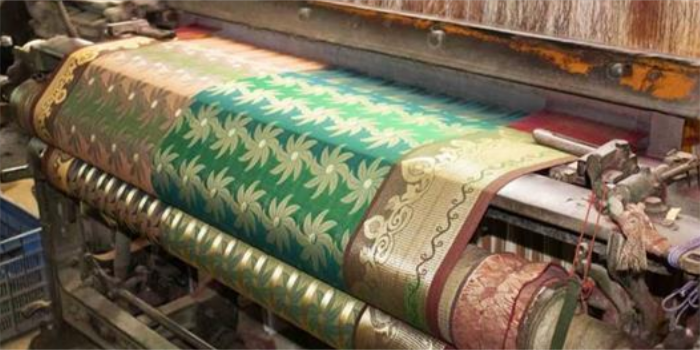
The Indian weaving industry is growing slowly but steadily despite several constraints. To accelerate its growth, the industry needs to develop a robust model and infrastructure. In this article, Sanjay Arora sheds more light on the current status of the Indian weaving industry in terms of production, capacities, fabric demand and emerging trends. He also highlights on the challenges and suggests ways to overcome the same.

The textile industry plays a crucial role in Indian economy. It contributes to 7% of industrial output in terms of value, 2% of the GDP and 12% of country’s export earnings. Next to agriculture, it is the second largest employment generating industry in India, employing approximately 45 million people directly. There are around 1,600 spinning mills, 4 lakh weaving units, 50,000 knitting units, 5,000 processing units and 71,000 garmenting and made-ups units in India. Majority of the production happens in decentralised sector in various clusters across India some of which are vertically integrated.

Previous ArticleSedo Treepoint to focus on sustainability and digitalization
Next Article Techno-economics of shuttle less loom: A critical review

Related Posts

Clean energy shift may save Tamil Nadu textiles Rs 32.50 billion

June 9, 2026

CMAI launches used clothes upcycling drive

June 8, 2026

World Environment Day 2026 – 5 wardrobe choices combining style and sustainability

June 5, 2026
Recent Posts
  • India’s textile sector posts 2.1% growth in FY25-26
  • RSWM retains IND A rating as outlook turns stable
  • Mumbai welcomes back HGH India 2026
  • Vipul Organics teams up with OMYA for European pigment distribution
  • ITM Istanbul 2026: ColorJet’s visibility extends across the entire exhibition
  • CMAI kidswear fair sees record participation 
  • Clean energy shift may save Tamil Nadu textiles Rs 32.50 billion
  • Spykar plans pan-India offline expansion with 100 new stores in two years
Facebook X (Twitter) YouTube LinkedIn
  • About us
  • Contact us
  • Privacy Policy
  • Terms and Conditions

SISTER PUBLICATIONS

Construction World Equipment India Industrial Product Finder Infrastructure Today

© 2026 Indian Textile Journal. All Rights Reserved.

Type above and press Enter to search. Press Esc to cancel.