Close Menu
Indian Textile Journal
  • Home
  • Textile Machinery
    • Allied Equipment and Accessories
    • Automation
    • Dyeing, Processing & Finishing
    • Knitting
    • Printing
    • Spinning
    • Weaving
  • Tech Textiles
  • Sustainability
  • Resources
    • Trade Fair
    • Events
    • Videos
  • Interview & Opinion
  • Subscribe Now
  • Advertise
  • Digital
  • Apparels & Garments
  • Fibres & Raw Materials
  • Home Textiles
  • Industry Update
Facebook X (Twitter) YouTube LinkedIn
Indian Textile Journal
Epson
  • Home
  • Textile Machinery
    • Allied Equipment and Accessories
    • Automation
    • Dyeing, Processing & Finishing
    • Knitting
    • Printing
    • Spinning
    • Weaving
  • Tech Textiles
  • Sustainability
  • Resources
    • Trade Fair
    • Events
    • Videos
  • Interview & Opinion
  • Subscribe Now
  • Advertise
  • Digital
  • Apparels & Garments
  • Fibres & Raw Materials
  • Home Textiles
  • Industry Update
Indian Textile Journal
Home » Huge saving of water by Wrangler
Industry Update

Huge saving of water by Wrangler

By December 21, 20161 Min Read
Share Facebook Twitter LinkedIn WhatsApp Copy Link
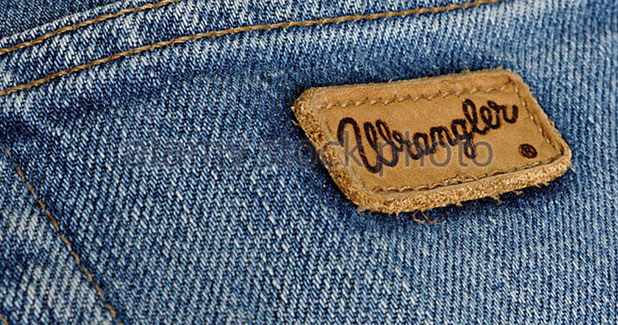
The global leader in jeans and casual apparel, Wrangler Jeans has revealed it has reached a milestone by having saved 3 billion liters of water since 2007, and has also  announced methods to reduce water usage at its facilities by 20 per cent by 2020.
Water plays a significant role in manufacturing of denim. The finishing steps in producing a pair of jeans typically require multiple water baths. By merging steps, Wrangler reduced water use without compromising quality. This improved wash down process, combined with increased water recycling yielded this significant resource conservation.
Wrangler brand’s water recycling program invested in advanced wastewater treatment systems is to improve effluent water quality. This allows treated water to cycle back through the system.
For example, the company’s owned Torreon facility in Mexico has achieved a 45 per cent water-recycling rate through a combination of disc filtration and biological treatment processes. The company plans to invest in additional technology at the site to achieve a 75 per cent recycling rate by 2018.
Previous ArticleFashion sector likely to do better in 2017
Next Article EU closer to textile accord with Uzbek

Related Posts

Mafatlal Industries expands D2C footprint with launch of ‘Mafatlal Home Fashion’

October 13, 2026

CMAI’s statement on the deferment of MDR on UPI merchant payments

October 13, 2026

CARE Ratings upgrades Mafatlal Industries to ‘CARE A-‘ with stable outlook

October 12, 2026
Recent Posts
  • FET highlights innovation and award-winning gel spinning tech at Dornbirn GFC
  • Discover Jeanologia’s live digital-to-production denim workflow at IGATEX Pakistan 2026
  • Mafatlal Industries expands D2C footprint with launch of ‘Mafatlal Home Fashion’
  • CMAI’s statement on the deferment of MDR on UPI merchant payments
  • Kusumgar signs long-term aerospace supply deal with Safran
  • EU chemical restrictions raise compliance bar for apparel exporters
  • Adidas, H&M and Inditex join coalition to cut textile waste
  • CARE Ratings upgrades Mafatlal Industries to ‘CARE A-‘ with stable outlook
Facebook X (Twitter) YouTube LinkedIn
  • About us
  • Contact us
  • Privacy Policy
  • Terms and Conditions

SISTER PUBLICATIONS

Construction World Equipment India Industrial Product Finder Infrastructure Today

© 2026 Indian Textile Journal. All Rights Reserved.

Type above and press Enter to search. Press Esc to cancel.