


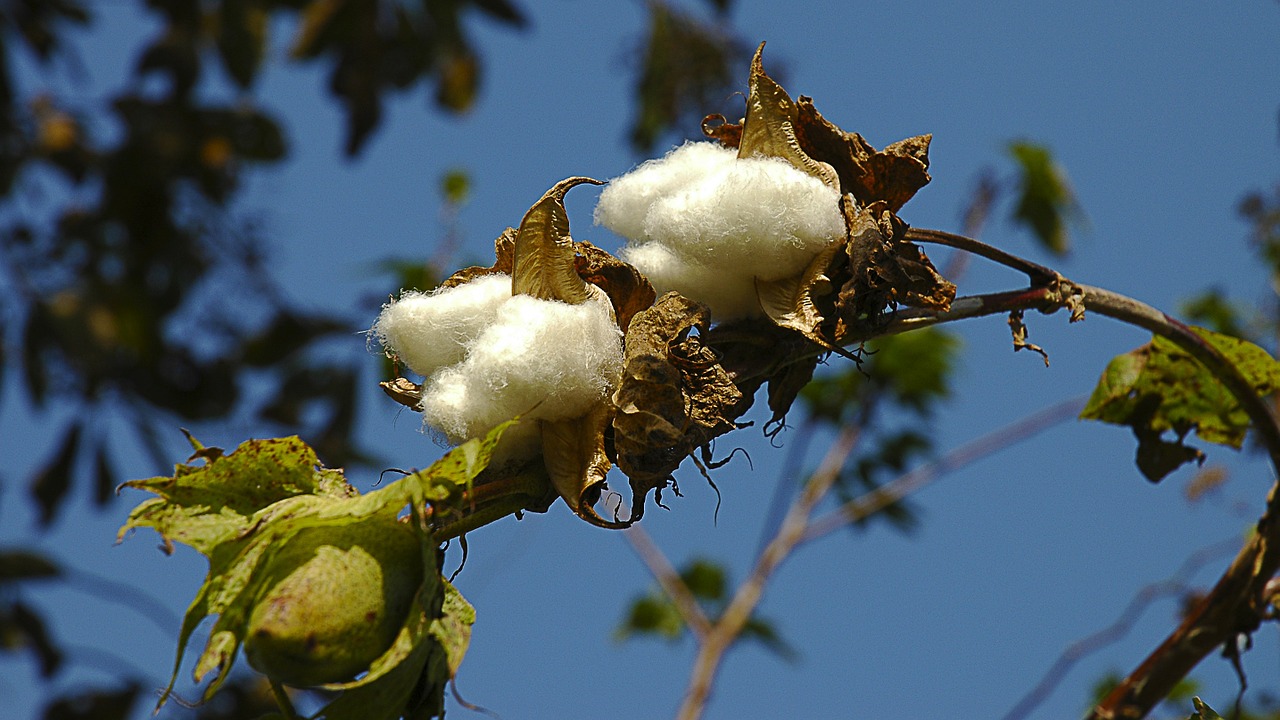
Aside from Bt+ and other similar seed traits, the nation urgently requires adaptive varieties of cotton seeds and plants suitable for the local soil and climatic conditions.
According to the recent report of the parliamentary standing committee on labour, skill development, and textiles, India is facing a critical need for new varieties of cotton seeds and plants that can adapt to the soil and climatic conditions, aiming to enhance cotton cultivation. In the fiscal year 2022-23, India had the world’s highest acreage under cotton, totalling 13,061 lakh hectare. However, the productivity yield was merely 447 kg/hectare, in stark contrast to the USA’s productivity yield of 1,065 kg/hectare, as per data from the Ministry of Textile.
The committee observed that the fundamental agro-climatic limiting factors in cotton cultivation in India are well-known. It concluded that, aside from Bt+ and other similar seed traits, the nation urgently requires adaptive varieties of cotton seeds and plants suitable for the local soil and climatic conditions.
Highlighting the significantly low yield of kilograms per hectare in India compared to other major cotton-producing countries, the committee pointed out that the outdated Bt seed technology in the country is a major factor. It emphasised the pressing need for new seed varieties.
The committee urged the Ministry of Textiles to conduct a comprehensive study on increasing cotton productivity. It expressed concern about the drawbacks of genetically modified seeds, such as the annual seed purchase requirement leading to increased farmer debt, especially when coupled with rising costs of pesticides, fertilizers, and labour without a corresponding increase in yield.
Emphasising the necessity for affordable and climatically adapted Bt or hybrid cotton seed varieties, the committee asserted the need for financial support to farmers for quality seed procurement and the adoption of best farming practices.
Regarding the government’s decision to exempt all cotton imports from customs duties, the committee expressed apprehension about the potential influx of cheap cotton from other countries. It warned that without effective procurement and a price stabilisation fund, this could further burden the already crisis-ridden cotton farmers. The committee strongly recommended that the Ministry of Textiles, in consultation with the Ministry of Agriculture, take necessary measures to protect cotton farmers, ensuring assured procurement at remunerative prices, at least one and a half times the cost of production.
News source: Business Standard