


Academic researchers and textile processors are exploring various dye extraction techniques for enhancing colour yield, informs Prof Ashok Athalye.
Utility, sustainability and circularity have become the buzzwords now. With the growing global warming and climate change awareness, the demand for natural, renewable, low energy consuming, water saving, biodegradable products is rapidly increasing.
Textile is a basic need of human beings, and its use is not only restricted to providing protection from adverse climatic conditions but also enhancing the aesthetic appeal as per the cultural beliefs, values and societal norms. Therefore, the colouration of textiles using a variety of dyes and pigments is an essential aspect of textile processing. Thus, the colouration is carried out for the purpose of value addition, improving the look and purchasing desire of the consumer.
The art of dyeing is as old as human civilization, and historical evidence indicates that this was one of the popular art forms under Dashan-vasanang-rang mentioned in the ancient Indian scriptures. The use of natural colourants demonstrates the efficacy of dyeing craft inherited from ancient times in our Bharat Varsha. The dyes were derived from plants or animal sources by long and elaborate processes. Among these Indigo, Tyrian purple, Cathechu, Heena, Haldi and Logwood deserve special mention.
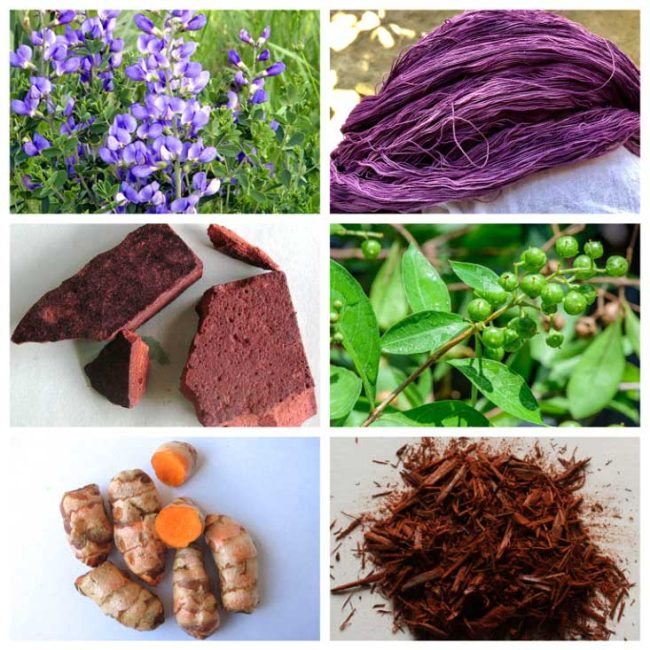
The global textile and apparel clothing trade is estimated to be about $ 1200 billion/annum and the colourant industry is about $ 40 billion and is considered to be growing at a CAGR of about 4.5 per cent. This growth is propelled on account of the increasing global human population, increasing urbanisation, improved standards of living and the emerging trend of fast fashion.
Historically, natural fibres like cotton, linen, wool and silk were the most popularly used textile fibres, but with the scientific and technological development of the last century, regenerated fibres like viscose and synthetic fibres like nylon, polyester and acrylic gained prominence. Similarly, colourants derived from natural source was the only choice till the accidental discovery of synthetic dyes in 1856. The rapid growth of industrialisation saw a tremendous increase in the chemically synthesised colourants suitable for application on different types of machines and by varying application methods. The availability of petrochemical-based raw materials, large-scale production facilities, and ease of product standardisation for ensuring quality consistency made synthetic dyes a popular choice of the textile dyer and the use of natural dyes drastically declined.
However, the recent awareness of environmental protection, rapidly depleting non-renewable resources and health hazards of synthetic colourants have sparked interest in the revival of natural colourants. The major drawback of synthetic products is their persistency, Bioaccumulation and Toxicity (PBT). From a sustainability point of view, conserving Ecology, improving Economy and maintaining Social aspects are of prime importance. This has resulted in a marked increase in the awareness and interest in developing alternative eco-friendly products and processes. The objective of the sustainable product is to
- Reduce – emission of greenhouse gases
- Avoid – use of non-renewable resources
- Increase – use of biodegradable products
- Implement – sustainable development
- Prevent – waste generation at source
With the growing ecological awareness, it is essential to develop dyes with mild reaction conditions having ease of dyeing with acceptable fastness properties and environment-friendly effluent needing no end-of-pipe treatment. However, due to the stringent environmental standards imposed by many countries in response to the hazardous effluent generated during synthesis and toxic and allergic reactions associated with synthetic dyes, textile researchers have once again been enthralled by natural dyes. The demand for natural dyes is seen to be increasing day by day due to environmental concern as well as being eco-friendly.
Apart from the growing ecological demands the textile processors is facing challenges such as
- Understand – complexity involved in textile processing
- Minimise – impact on water, soil and air pollution
- Improve- supply reliability and reduced inventory
- Conserve – ecology by beneficial disposition
- Design – operations to improve efficiencies
- Apply – synergistic product-process matrix
- Meet – expectations of Brands and retailors
- Rationalise – raw materials, ETP costs
Although the ancient textile processors were not conversant with modern Science and technology but had developed high proficiency in the application of natural colouring matters. The intrinsic and commercial value of Indian natural colouring matters and dyed and printed textiles was prominently advertised at various trade exhibitions in international forums.
Dyeing of fabrics with natural dyes extracted from roots, barks, leaves of certain species of trees, berries and flowers of selected plants is being revived. However, many natural dyes are not substantive to the textile substrates and therefore have to be used in conjunction with a mordant, which also may be extracted from a plant source. The natural colourants are further classified based on their chemical structure or the colour they yield.
The awareness about the depletion of natural resources, ecological imbalance, pollution problems owing to the uncontrolled and rampant usage of hazardous chemicals and particularly synthetic dyes, have forced researchers and industry to evaluate safer alternatives. Many substances of very high concern (SVHC) causing environmental hazards, animal toxicity and ecological imbalance are found to be present in many synthetic dyes. This implies the need to reintroduce the use of natural dyes for dying textiles. They also have medicinal and curative properties. Natural dyes are soft in colour, cool to eyes and good to skin.
Actions being taken to overcome the earlier known limitations of natural dyes are
- Improving their availability
- Enhancing colour yield
- Reducing the complexity of dyeing process
- Achieving reproducibility of shade
- Attaining expected fastness properties
Academic researchers and textile processors are exploring various dye extraction techniques for enhancing colour yield, optimising standardisation methods and mordant-free application concepts for achieving the desired fastness protocols of international brands. The attempts being made are in terms of
- Increasing range of natural colourants with acceptable fastness properties.
- Establishing channel partners to ensure efficient supply chain operations
- Evolving standardisation techniques for consistent quality products
- Developing adequate technical information about renewable colourant sources
- Improving cost-economy for enhancing the consumer base
- Determining eco-benefits for highlighting sustainability benefits
- Evaluating multifunctionality in terms of added protective finishing effects
- Proving biodegradability of the waste generated after dye extraction from the plant sources
- Promoting the concept of Ayurvastra or Sustainable Clothing in the global market
- Highlighting the concept of Cradle-to-Cradle circularity
The Ministry of Textiles (Govt of India) and National Handloom Development Corporation (NHDC) along with various industrial organisations are focussing on spreading awareness about recent developments in natural colourants and their effective textile application through various seminars, exhibitions and conferences.
About the author:
Dr Ashok Athalye is a Professor in Textile Chemistry (ICT-Mumbai) and a Fellow of Society of Dyers Colourists (FSDC), Fellow of Indian Chemical Society (FICS), Vice President of Technological Association and published over 100 research and review articles.