


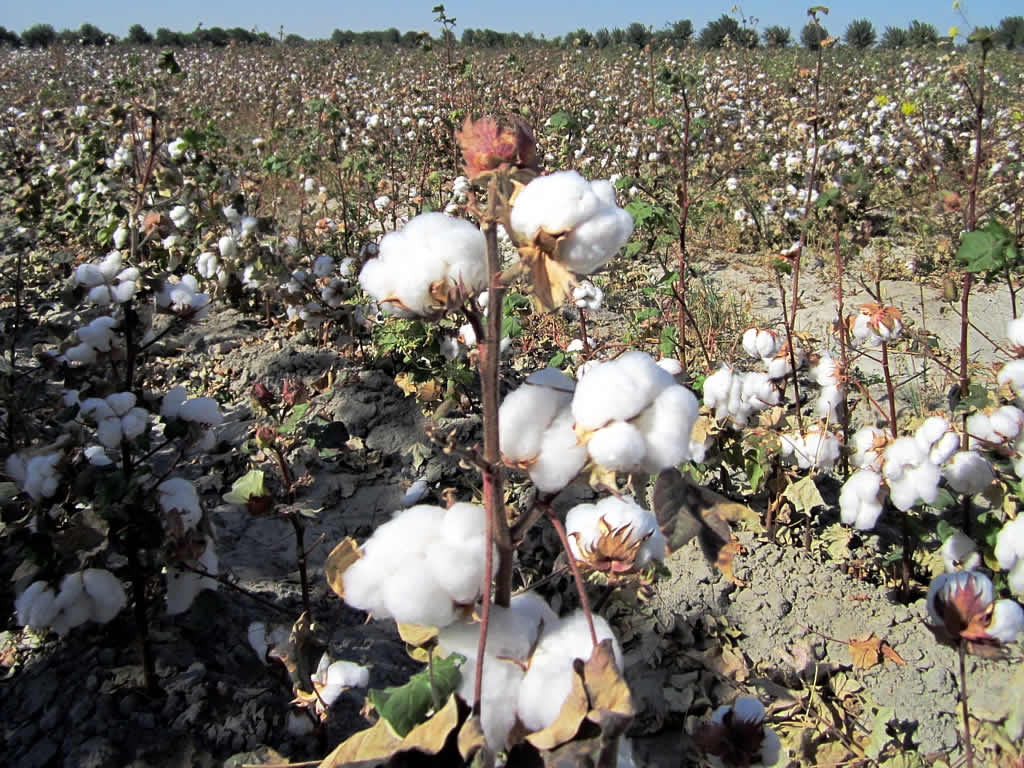
The primary driver for the revenue uptick in fiscal 2026 will be the rebound in yarn exports to China.
A rebound in exports and favorable domestic demand are expected to drive India’s cotton yarn industry to a 7-9 per cent revenue growth in the current fiscal, up from a modest 2-4 per cent growth in the previous fiscal. Uptick in volumes will primarily drive this growth, supported by modest increase in yarn prices.
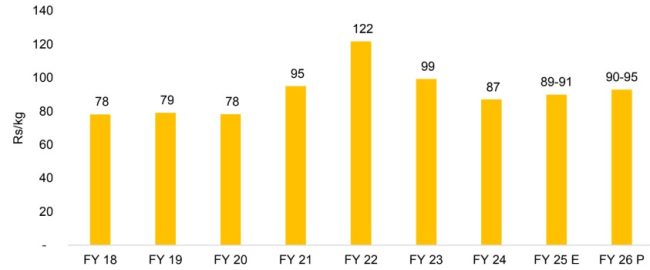
Operating margins, after witnessing a recovery last fiscal, are expected to see further uptick of 50-100 bps this fiscal, owing to stable cotton yarn spreads (Chart 1 in annexures) and better availability of cotton through Cotton Corporation of India (CCI).
An analysis of 70 cotton yarn spinners, which account for 35-40 per cent of the industry revenue, indicates as much.
The primary driver for the revenue uptick in fiscal 2026 will be the rebound in yarn exports to China. Exports account for ~30 per cent of the industry’s revenue, of which China accounts for ~14 per cent. In fiscal 2025, India’s yarn exports to China declined compared to prior fiscals on account of an exceptionally high cotton production in China last fiscal. This resulted in a 5-7 per cent de-growth in India’s total cotton yarn exports. However, this is likely to reverse in the current fiscal with yarn exports seeing a 9-11 per cent growth as exports to China recover, driven by normalisation of their domestic cotton production.
Says Gautam Shahi, Director, Crisil Ratings, “This is likely to benefit Indian spinners as they will leverage steady domestic cotton production in current cotton season and regain their market share. Moreover, India’s position4 in textile exports to US remains competitive given the higher tariff on China (key competing nation in home textile exports), which is expected to support the 6-8 per cent revenue growth for downstream industries (home textiles and readymade garments) this fiscal.â€
On the raw material front, CCI’s significant cotton procurement in Cotton Season 2025 will ensure steady cotton availability, minimising inventory losses and boosting spinners’ profitability by 50-100 bps this fiscal, after a 100-150 bps recovery in fiscal 2025.
Says Pranav Shandil, Associate Director, Crisil Ratings, “Driven by improved operating performance, credit profiles, which showed signs of recovery last fiscal, will remain stable this fiscal. Meanwhile, capex for cotton yarn spinners will remain moderate, with only select players undertaking capital expenditure, which will limit the need for significant debt additions. Additionally, steady cotton availability will lead to lower inventory holding, reducing the requirement for significant incremental working capital financing.â€
As a result, interest coverage ratio of spinners is expected to improve to 4.5-5 times this fiscal from ~4-4.5 times in fiscal 2025. Gearing is expected to remain stable at ~0.55-6 time, like last fiscal.
That said, any potential changes in tariffs imposed on India and the competing nations, higher inflation or slowing economic growth in the US leading to a demand slowdown, and any adverse movement in domestic cotton prices vis-Ã – vis international prices in the near term will bear watching.