Close Menu
Indian Textile Journal
  • Home
  • Textile Machinery
    • Allied Equipment and Accessories
    • Automation
    • Dyeing, Processing & Finishing
    • Knitting
    • Printing
    • Spinning
    • Weaving
  • Tech Textiles
  • Sustainability
  • Resources
    • Trade Fair
    • Events
    • Videos
  • Interview & Opinion
  • Subscribe Now
  • Advertise
  • Digital
  • Apparels & Garments
  • Fibres & Raw Materials
  • Home Textiles
  • Industry Update
Facebook X (Twitter) YouTube LinkedIn
Indian Textile Journal
Epson
  • Home
  • Textile Machinery
    • Allied Equipment and Accessories
    • Automation
    • Dyeing, Processing & Finishing
    • Knitting
    • Printing
    • Spinning
    • Weaving
  • Tech Textiles
  • Sustainability
  • Resources
    • Trade Fair
    • Events
    • Videos
  • Interview & Opinion
  • Subscribe Now
  • Advertise
  • Digital
  • Apparels & Garments
  • Fibres & Raw Materials
  • Home Textiles
  • Industry Update
Indian Textile Journal
Home » Budget 2025: Key takeaways for India’s textile industry
Industry Update

Budget 2025: Key takeaways for India’s textile industry

By February 1, 20252 Mins Read
Share Facebook Twitter LinkedIn WhatsApp Copy Link

To protect domestic manufacturers, the customs duty on knitted fabrics has been revised to 20 per cent or Rs 115 per kilogram, whichever is higher. 

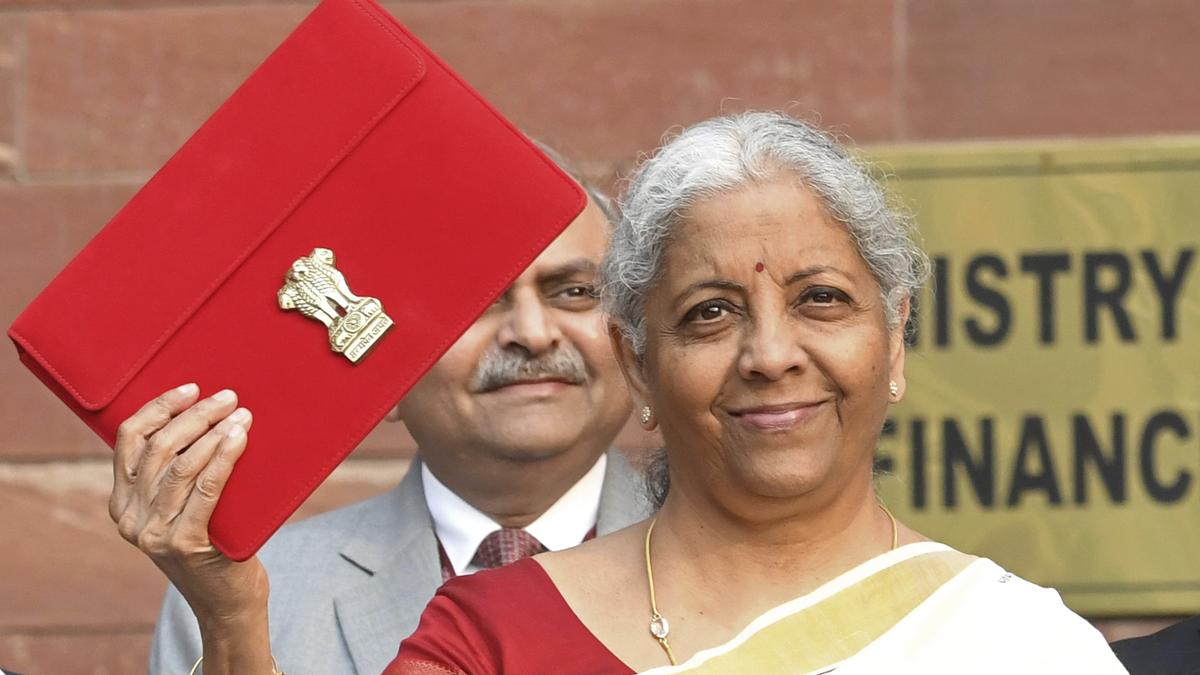
The Union Budget 2025-26, presented by Finance Minister Nirmala Sitharaman, introduced several initiatives aimed at bolstering India’s textile sector;

Mission for cotton productivity: Five-year mission has been launched to enhance the productivity and sustainability of cotton farming, with a particular focus on extra-long staple (ELS) cotton varieties. This initiative aims to provide farmers with advanced scientific and technological support to improve yields and promote high-quality cotton cultivation.

Support for Micro, Small, and Medium Enterprises (MSMEs): The budget proposes raising investment and turnover limits for MSMEs, along with enhanced credit access. Notably, micro enterprises will have access to credit cards with limits up to Rs 5 lakh, facilitating easier access to funds for small-scale textile businesses.

Customs duty adjustments: To protect domestic manufacturers, the customs duty on knitted fabrics has been revised to 20 per cent or Rs 115 per kilogram, whichever is higher. This measure is expected to make imported fabrics less competitive, thereby supporting local textile producers.

Leather sector incentives: The leather industry, closely linked to textiles, will benefit from duty exemptions on Wet Blue leather and crust leather. This move aims to enhance the competitiveness of domestic leather manufacturers.

Focus product scheme for footwear and leather: New scheme has been announced to boost the productivity, quality, and competitiveness of India’s footwear and leather sectors. The initiative aims to create employment opportunities for 2.2 million individuals, generate a turnover of Rs 4 trillion, and achieve exports exceeding Rs 1.1 trillion. These measures reflect the government’s commitment to strengthening the textile industry, enhancing farmer incomes, and promoting sustainable practices within the sector.

Previous ArticleRajeev Gupta: The inclusion shuttle-less looms in fully exempted textile machinery is a progressive step
Next Article Vinay Thadani: Mission for Cotton Productivity promises to revolutionise cotton farming

Related Posts

Bombay Dyeing curbs counterfeit sales in Hyderabad to safeguard consumers

July 21, 2026

CITI and EURATEX initiate India-EU textile and apparel dialogue to aid FTA rollout

July 20, 2026

Myntra integrates AI throughout customer discovery, seller onboarding, and product development

July 17, 2026
Recent Posts
  • Bombay Dyeing curbs counterfeit sales in Hyderabad to safeguard consumers
  • ColorJet Group named official technology partner for Bharat Tex 2026
  • RSWM shines at Bharat Tex 2026, wins CITI Sustainability Awards for data-driven excellence 
  • BTRA, MIDC ink MoU for India’s First 120 TPA carbon fibre technology demonstration plant in Amravati
  • How advanced netting solutions are cutting aquaculture losses: 6 keyways
  • Benninger AG and Grupo NS form strategic partnership to empower Brazil’s textile industry
  • CITI and EURATEX initiate India-EU textile and apparel dialogue to aid FTA rollout
  • Spinning circular economy into India’s textile future
Facebook X (Twitter) YouTube LinkedIn
  • About us
  • Contact us
  • Privacy Policy
  • Terms and Conditions

SISTER PUBLICATIONS

Construction World Equipment India Industrial Product Finder Infrastructure Today

© 2026 Indian Textile Journal. All Rights Reserved.

Type above and press Enter to search. Press Esc to cancel.