Close Menu
Indian Textile Journal
  • Home
  • Textile Machinery
    • Allied Equipment and Accessories
    • Automation
    • Dyeing, Processing & Finishing
    • Knitting
    • Printing
    • Spinning
    • Weaving
  • Tech Textiles
  • Sustainability
  • Resources
    • Trade Fair
    • Events
    • Videos
  • Interview & Opinion
  • Subscribe Now
  • Advertise
  • Digital
  • Apparels & Garments
  • Fibres & Raw Materials
  • Home Textiles
  • Industry Update
Facebook X (Twitter) YouTube LinkedIn
Indian Textile Journal
Epson
  • Home
  • Textile Machinery
    • Allied Equipment and Accessories
    • Automation
    • Dyeing, Processing & Finishing
    • Knitting
    • Printing
    • Spinning
    • Weaving
  • Tech Textiles
  • Sustainability
  • Resources
    • Trade Fair
    • Events
    • Videos
  • Interview & Opinion
  • Subscribe Now
  • Advertise
  • Digital
  • Apparels & Garments
  • Fibres & Raw Materials
  • Home Textiles
  • Industry Update
Indian Textile Journal
Home » Brand designs solution to cut textile waste
Industry Update

Brand designs solution to cut textile waste

By August 11, 20161 Min Read
Share Facebook Twitter LinkedIn WhatsApp Copy Link

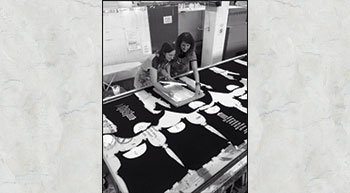
Wellington-based sustainable fashion brand, Space Between, has developed a solution to significantly reduce clothing and textile waste and is seeking funding to work with local designer, Larissa Banks. The funding raised will go towards resourcing Banks, a Massey University design graduate, to collaborate with Space Between on developing their next range and looking at innovative ways to help businesses minimise their textile waste streams as commercial clothing waste is a huge contributor to this problem.
 
A social enterprise, Space Between’s upcycled clothing line is manufactured using pre- and post-consumer waste by a local not-for-profit Earthlink Apparel, based in Lower Hutt, who supports people with barriers to employment, such as mental illness.
 
The current Space Between range, Fundamentals, has been designed and produced from discarded NZ Post uniforms that would otherwise have gone to landfill. Their conjoined long dress (pictured) is made from three merino long sleeve tops. Buying one of these dresses rather than the equivalent dress using new materials saves 210 kg of carbon dioxide-equivalents from being emitted into the atmosphere.

Previous ArticleTextiles that emit light!
Next Article Anti-dumping duty on VSF from China

Related Posts

VIRGIO names Hansa Nigam as Chief Marketing Officer

July 7, 2026

Global trade and technical collaboration in textile sector                

July 7, 2026

Italian textile machinery leads sector revival through innovation and sustainability

July 2, 2026
Recent Posts
  • MANTRA to develop indigenous geo-grid coating line
  • VIRGIO names Hansa Nigam as Chief Marketing Officer
  • Global trade and technical collaboration in textile sector                
  • Expanding the horizons of premium stretch warp knitting with KARL MAYER’s HKS 2-SE
  • Italian textile machinery leads sector revival through innovation and sustainability
  • Weave The Future launches national innovation challenge to tackle textile waste
  • Indian cotton sector in play
  • Voltas’ UMPESL joins hands with DANITECH to advance textile innovation in India
Facebook X (Twitter) YouTube LinkedIn
  • About us
  • Contact us
  • Privacy Policy
  • Terms and Conditions

SISTER PUBLICATIONS

Construction World Equipment India Industrial Product Finder Infrastructure Today

© 2026 Indian Textile Journal. All Rights Reserved.

Type above and press Enter to search. Press Esc to cancel.