


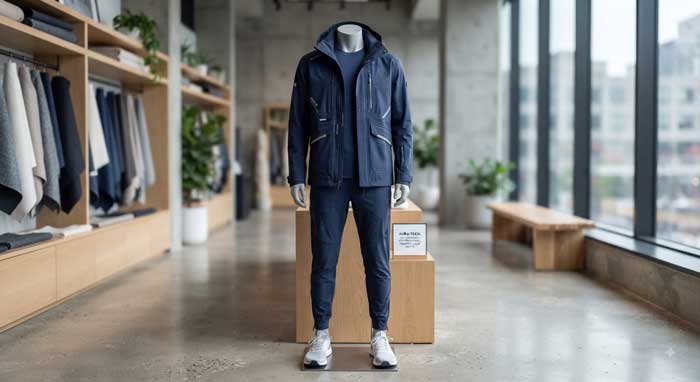
Fabrics that offer natural fluidity, breathability and softness give designers the freedom to create garments that not only look elegant but seamlessly fit into the rhythm of modern life, explains Nelson Jaffery.
There was a time when a garment earned its place in the wardrobe simply because it looked beautiful. Today, that’s rarely enough. The question consumers ask themselves has subtly changed. Instead of “Do I like this?” it’s increasingly “Will I actually wear this?”. That shift is influencing fashion in ways we don’t always notice. While colours, silhouettes and trends continue to catch the eye, it is often the fabric that determines whether a garment makes it home. Watch people shop and you’ll see it happen instinctively. Before reading the price tag or checking the label, they touch the fabric. They lift the garment, see how it falls, stretch it slightly, imagine wearing it through a busy workday or while travelling. The purchase decision begins with experience, long before the checkout counter.
And designers, find this change impossible to ignore. A decade ago, the design conversation often started with inspiration boards and seasonal trends. Today, it frequently begins with asking a different question: How should this garment feel? That answer influences everything that follows from the silhouette and construction to the final finish. This is where performance-driven fabrics have quietly become one of fashion’s biggest differentiators. Performance is no longer reserved for sportswear or technical apparel. It has entered everyday fashion. Consumers now expect their office wear to stay comfortable through long meetings, festive outfits to feel effortless despite hours of wear, and travel wardrobes to remain fresh after an entire day on the move. They want clothing that keeps pace with their lives rather than asking them to compromise for style.
Climate has only accelerated this shift. With longer summers and rising humidity becoming part of everyday life across many regions, comfort has moved from being a pleasant surprise to an essential design requirement. Lightweight fabrics, breathable constructions and fluid drape are no longer premium features they are increasingly expected. Interestingly, this isn’t making fashion less aspirational. In many ways, it’s redefining luxury itself. Changing mind-set is also making people more curious about what lies behind a garment. Fabric labels, fibre composition and performance characteristics are receiving more attention than ever before. Buyers are asking informed questions because they understand that lasting comfort begins long before a garment is stitched. For brands, this represents an important opportunity. Innovation is no longer only about creating something visually different. It is about engineering materials that solve everyday challenges without compromising on aesthetics. When design and fabric development work together, fashion becomes more intuitive, more wearable and ultimately more meaningful.
Fabrics that offer natural fluidity, breathability and softness give designers the freedom to create garments that not only look elegant but seamlessly fit into the rhythm of modern life. Because in today’s wardrobe, the pieces people cherish most are rarely the loudest they are the ones they instinctively reach for, again and again. Fashion will always be driven by creativity. But the future of buying decisions may be influenced less by what catches the eye and more by what earns a permanent place in everyday life. Increasingly, that difference begins with the fabric.
About the author:
Nelson Raj Jaffery is the Vice President – Design & Development at Liva (Birla Cellulose, Aditya Birla Group). Jaffery is a seasoned fashion and textile design leader with over 25 years of experience spanning textile innovation, fabric development, apparel design, and trend forecasting. As Vice President – Design & Development at Liva, the sustainable fabric brand from Birla Cellulose, Aditya Birla Group, he leads the brand’s design vision by translating evolving consumer insights into contemporary, market-relevant fashion solutions.