


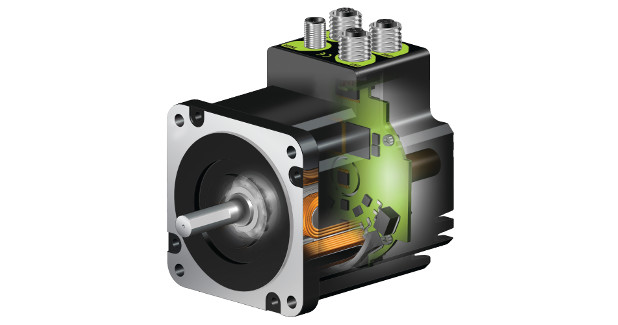
Textile mill electric drives help in controlling
the speed of rotation of an electrical machine, helping in optimising the motion control. Therefore, assembly of an electric motor with sophisticated control systems controlling the rotation
of the motor shaft is the typical drive system used in the textile mill electric drives market. These textile mill electric drives help in controlling the motion of the electrical machines. Controlling has become more and more accurate along with high ergonomics with the
help of the software incorporated.
Textile mill electric drives for weaving must possess good cooling capacity to keep the temperatures within limits in case of large power losses. Furthermore, due
to the usage of these motors in conditions where the moisture content is high, cooling facility and rating of
the motors are the prime selection criteria.
The motor needs robust construction to withstand several extreme conditions, should be able to develop torque in a short time, should possess wide speed variation capability and quick response change
capability. All of these factors will affect the global
textile mill electric drives market.
Ease of maintenance and low cost of textile mill electric drives are two of the main factors estimated to drive the global textile mill electric drives market over the forecast period. Furthermore, less machine stop time, high quality and productivity are expected to further augment the growth of global textile mill electric drives market. Furthermore, use of textile mill electric drives in cone crushers helps in providing unique crushing ability in primary, secondary, and tertiary crushing, directly impacting the mill efficiency and productivity. This
is further estimated to drive the global textile mill electric drives market during the forecast period.
However, use of conventional drives, low awareness amongst end users and relatively high initial cost
may hamper the growth of the global textile mill
electric drives market during the forecast period.
North America is estimated to install electric drives across their textile mills owing to growing demand from end-users for high quality and short time delivery. North America is majorly focused on energy-efficient products, along with low maintenance devices to enhance their productivity. China, being the top producer and exporter of raw textiles and garments, is expected to install electric drives to meet the global demand to cater to the growing awareness amongst customers and thus, will witness substantial growth in the textile mill electric drives market during the forecast period. Significant growth in investments in the textile industry and use
of energy-efficient products to enhance output in countries, such as Sri Lanka, Pakistan and Latin America countries, may further augment the global textile mill electric drives market during the forecast period. Europe is estimated to account for around one-fifth of the
textile market around the globe and due to growing awareness about the benefits of electric drives, the
region is estimated to employ these electric drives
across their textile mills. These points are estimated to augment the growth of the global textile mill electric drives market during the forecast period.
the speed of rotation of an electrical machine, helping in optimising the motion control. Therefore, assembly of an electric motor with sophisticated control systems controlling the rotation
of the motor shaft is the typical drive system used in the textile mill electric drives market. These textile mill electric drives help in controlling the motion of the electrical machines. Controlling has become more and more accurate along with high ergonomics with the
help of the software incorporated.
Textile mill electric drives for weaving must possess good cooling capacity to keep the temperatures within limits in case of large power losses. Furthermore, due
to the usage of these motors in conditions where the moisture content is high, cooling facility and rating of
the motors are the prime selection criteria.
The motor needs robust construction to withstand several extreme conditions, should be able to develop torque in a short time, should possess wide speed variation capability and quick response change
capability. All of these factors will affect the global
textile mill electric drives market.
Ease of maintenance and low cost of textile mill electric drives are two of the main factors estimated to drive the global textile mill electric drives market over the forecast period. Furthermore, less machine stop time, high quality and productivity are expected to further augment the growth of global textile mill electric drives market. Furthermore, use of textile mill electric drives in cone crushers helps in providing unique crushing ability in primary, secondary, and tertiary crushing, directly impacting the mill efficiency and productivity. This
is further estimated to drive the global textile mill electric drives market during the forecast period.
However, use of conventional drives, low awareness amongst end users and relatively high initial cost
may hamper the growth of the global textile mill
electric drives market during the forecast period.
North America is estimated to install electric drives across their textile mills owing to growing demand from end-users for high quality and short time delivery. North America is majorly focused on energy-efficient products, along with low maintenance devices to enhance their productivity. China, being the top producer and exporter of raw textiles and garments, is expected to install electric drives to meet the global demand to cater to the growing awareness amongst customers and thus, will witness substantial growth in the textile mill electric drives market during the forecast period. Significant growth in investments in the textile industry and use
of energy-efficient products to enhance output in countries, such as Sri Lanka, Pakistan and Latin America countries, may further augment the global textile mill electric drives market during the forecast period. Europe is estimated to account for around one-fifth of the
textile market around the globe and due to growing awareness about the benefits of electric drives, the
region is estimated to employ these electric drives
across their textile mills. These points are estimated to augment the growth of the global textile mill electric drives market during the forecast period.