Close Menu
Indian Textile Journal
  • Home
  • Textile Machinery
    • Allied Equipment and Accessories
    • Automation
    • Dyeing, Processing & Finishing
    • Knitting
    • Printing
    • Spinning
    • Weaving
  • Tech Textiles
  • Sustainability
  • Resources
    • Trade Fair
    • Events
    • Videos
  • Interview & Opinion
  • Subscribe Now
  • Advertise
  • Digital
  • Apparels & Garments
  • Fibres & Raw Materials
  • Home Textiles
  • Industry Update
Facebook X (Twitter) YouTube LinkedIn
Indian Textile Journal
Epson
  • Home
  • Textile Machinery
    • Allied Equipment and Accessories
    • Automation
    • Dyeing, Processing & Finishing
    • Knitting
    • Printing
    • Spinning
    • Weaving
  • Tech Textiles
  • Sustainability
  • Resources
    • Trade Fair
    • Events
    • Videos
  • Interview & Opinion
  • Subscribe Now
  • Advertise
  • Digital
  • Apparels & Garments
  • Fibres & Raw Materials
  • Home Textiles
  • Industry Update
Indian Textile Journal
Home » Why cotton scores over synthetics!
Industry Update

Why cotton scores over synthetics!

By May 22, 20172 Mins Read
Share Facebook Twitter LinkedIn WhatsApp Copy Link

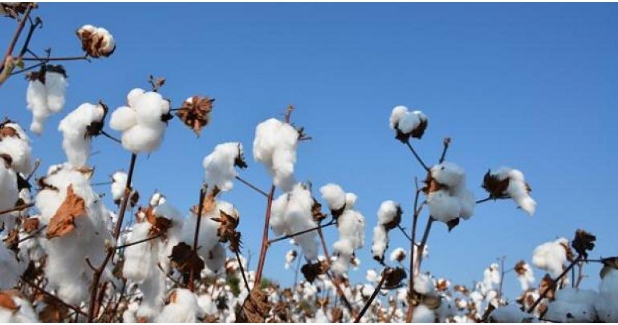
Lubbock, USA: Cotton is pre-sold on its comfort attributes. In addition, it has certain environmental benefits.

With planting in serious mode on the High Plains of Texas, stakeholders of the industry recently held discussions on planting and also on certain benefits of the natural fibre.

On an average about 20-30 per cent of acreage has been planted in the High Plains.  In Lubbock County, 30 per cent of acres have been planted. “Rain fixes a lot of things,” stated Shelley Heinrich, a cotton producer, who farms about 3000 acres in South of Lubbock. With higher prices, producers are expected to plant more cotton acres. In High Plains, this year, 60 per cent of acreage will be dryland and 40 per cent will be irrigated.

While discussing the benefits of cotton, it is not only the comfort on which cotton is pre-sold, there are also environmental benefits. More and more consumers are aware of the problems caused due to the bioaccumulation of micro synthetics in marine lives and ocean floors. Cotton being biodegradable can be a natural alternative to address this issue.

Cotton’s natural benefits and improved manufacturing practices are enabling it to penetrate into high performance and active wear markets. The cotton sector needs to focus on imparting desirable functional characteristics to the fibre, without sacrificing its comfort to make it more attractive to these markets.
By: Seshadri Ramkumar, Texas Tech University, USA

Previous Article18% GST fixed for textile machinery
Next Article Future Textile Award 2017 for Aleph LaForte

Related Posts

Textile Champions Amid Tariff Challenge

September 25, 2026

Pearl Global industries scales up Bangladesh operations with new manufacturing and laundry plant

September 24, 2026

TMMA(I) calls for technology-led competitiveness in textile machinery

September 21, 2026
Recent Posts
  • How 21-year-old Yogeeta Kishore is turning denim waste into livelihoods
  • World of Sleep 2027 to launch India’s inaugural curated sleep expo for consumers
  • JACK&JONES taps Vedang Raina for its autumn/winter 2026 denim launch
  • Softline debuts fresh chapter with a contemporary brand refresh across lingerie, athleisure and outerwear
  • Path breaking textile machine innovations that faded away
  • Myntra lights up the big fashion festival with Alia Bhatt and Ranbir Kapoor
  • Arvind Limited steals the spotlight at Lakmé Fashion Week with Ashish N Soni
  • Karl Mayer celebrates 90 years with landmark 2027 event
Facebook X (Twitter) YouTube LinkedIn
  • About us
  • Contact us
  • Privacy Policy
  • Terms and Conditions

SISTER PUBLICATIONS

Construction World Equipment India Industrial Product Finder Infrastructure Today

© 2026 Indian Textile Journal. All Rights Reserved.

Type above and press Enter to search. Press Esc to cancel.