


Dr Seshadri Ramkumar informs overcapacity in certain segments of the textile sector, excessive stocks of yarns and weak global demand are all contributing to the current crisis in the textile sector in India.
As the economy expected to rebound in the United States followed by Europe, global textiles industry is in the need of demand revival.
Past 18 months has seen rocky economic climate showing anomalies such as high inflation, strong labour market and weak consumer demand. Majority of citizens in developed economies such as Canada feel pessimistic about their future. Just this week, Justin Trudeau, Prime Minister, Canada, is expected to make a major cabinet shuffle to put new ministers in key positions to boost job growth and revitalise the economy.
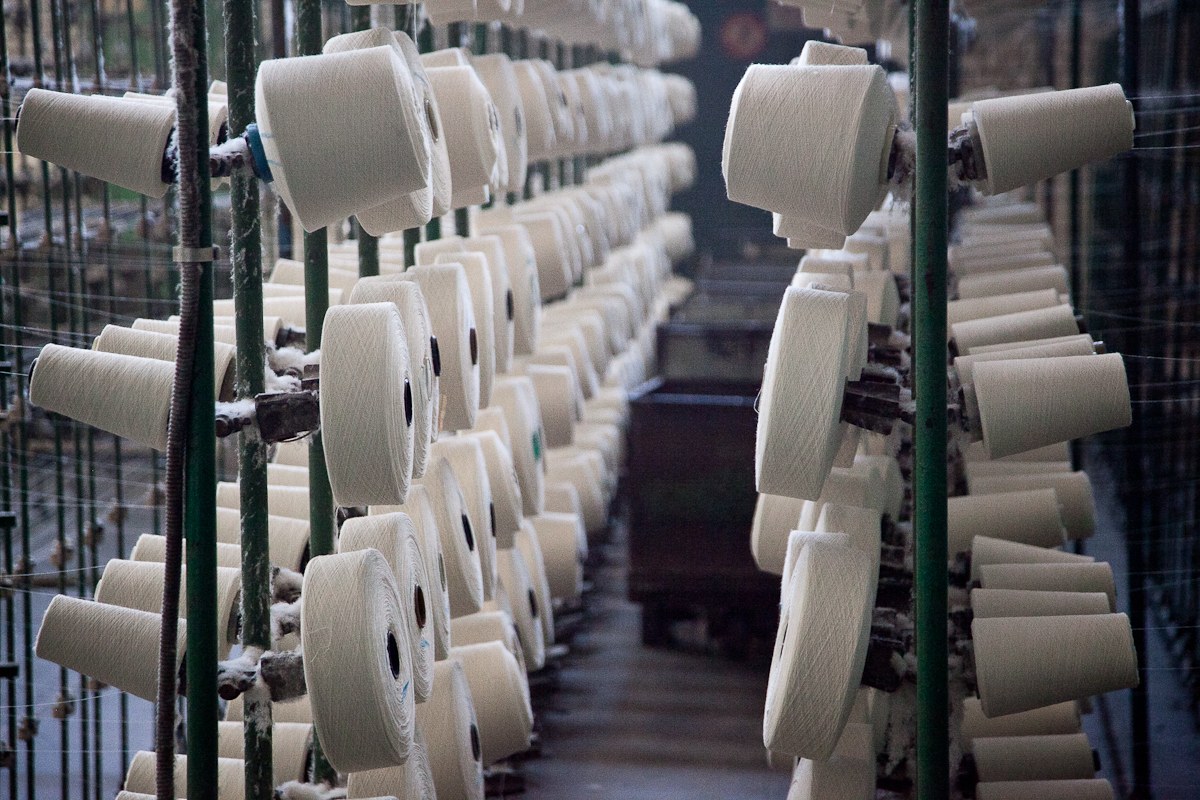
Export oriented textiles sector in countries like India have been hit hard by weak export demand, which in turn impacted the domestic market as export-oriented companies have been forced to dump their products in domestic market. In India normally, spinning mills maintain stock of 1-2 weeks of production, but due to low demand, stocks worth one month or more of production is held by many companies leading to crisis.
“Indian textile industry has been demanding the waiver of 11 per cent custom duty on cotton imports to reduce the cost of raw material,†stated Velmurugan Shanmugam, General Manager of Aruppukkottai, Jayalakshmi Textiles.
Given the sensitivity with regard to farmer’s livelihood in India and the ensuing parliamentary elections next year, in my opinion, it is highly unlikely that the Government would do anything with waiving tariffs on cotton imports. Gnanasekar Thiagarajan, Mumbai-based Cotton Analyst agrees with my view and opines that with inflation expected to have a soft landing in the United States, demand may pick up in the next quarter.
Overcapacity in certain segments of the textile sector, excessive stocks of yarns and weak global demand are all contributing to the current crisis in the textile sector in India.
Product diversification, strategic stocking of raw materials, automation, better labour retention policies are all some strategies the industry can adopt. Jayalakshmi Textiles has been manufacturing varied products and utilises solar and wind power to have a better handle on the cost.
“It is important to modernise and not go on expansion in the current times,†stated Shanmugam.
With economic revival expected and no recession on the horizon, demand may pick up. “Downside will be limited from now,†opined Thiagarajan.
Textile industry has to revitalise depending upon regional needs and strategic strengths such as enhancement of crop yields in India, manufacture of sustainable textiles at affordable prices in developed economies, etc.
Importantly, there needs to be better communication across the supply chain, and better engagement with policy makers and consumers.
About the author:
Dr Seshadri Ramkumar is a Professor, Nonwovens & Advanced Materials Laboratory in Texas Tech University, Lubbock, TX, USA.