Close Menu
Indian Textile Journal
  • Home
  • Market and Economy
    • Apparels & Garments
    • Fibres & Raw Materials
    • Home Textiles
    • Industry Update
  • Textile Machinery
    • Allied Equipment and Accessories
    • Automation
    • Dyeing, Processing & Finishing
    • Knitting
    • Printing
    • Spinning
    • Weaving
  • Tech Textiles
  • Sustainability
  • Resources
    • Trade Fair
    • Events
    • Videos
  • Interview & Opinion
  • Subscribe Now
  • Advertise
  • Digital
Facebook X (Twitter) YouTube LinkedIn
Indian Textile Journal
Epson
  • Home
  • Market and Economy
    • Apparels & Garments
    • Fibres & Raw Materials
    • Home Textiles
    • Industry Update
  • Textile Machinery
    • Allied Equipment and Accessories
    • Automation
    • Dyeing, Processing & Finishing
    • Knitting
    • Printing
    • Spinning
    • Weaving
  • Tech Textiles
  • Sustainability
  • Resources
    • Trade Fair
    • Events
    • Videos
  • Interview & Opinion
  • Subscribe Now
  • Advertise
  • Digital
Indian Textile Journal
Home » Nonwovens On The Top
Automation

Nonwovens On The Top

By July 1, 20211 Min Read
Share Facebook Twitter LinkedIn WhatsApp Copy Link

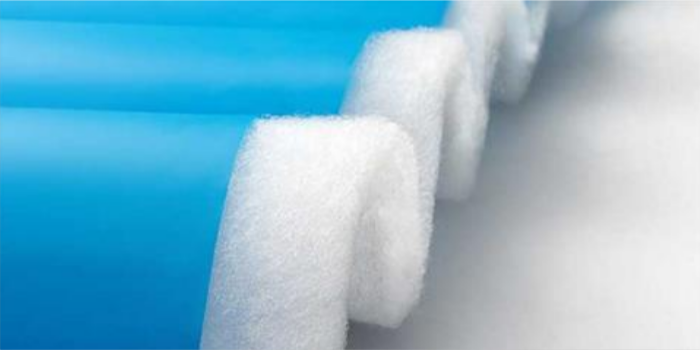
Nonwovens, which are neither woven nor knitted, are a unique class of textile material formed from fibres (natural as well as manmade) that are bonded together by chemical, mechanical, heat or solvent treatment. European Disposables and Nonwovens Association (EDANA) defines nonwovens as a sheet of fibres, continuous filaments, or chopped yarns of any nature or origin, that have been formed into a web by any means, and bonded together by any means, with the exception of weaving or knitting. Technically, all nonwovens are technical textiles, but not all technical textiles are nonwovens.

Nonwovens can be broadly categorised into disposables (single use or short life use) and durables (multiple use or long-term use). Disposable nonwovens are used in healthcare products (like wipes, baby diapers, feminine hygiene, etc) and medical applications (like surgical drapes and gowns, instrument wraps, bandages, and sponges among others). On the other hand, durables are used in applications like filtration, automotive, geotextiles, agriculture, protective wear, shoe inserts, interlinings, etc.

Previous ArticleTop five tips to start a new venture
Next Article ITMA ASIA + CITME 2020 ended on a successful note

Related Posts

How tech-enabled ecosystems are powering the next phase of textile manufacturing

May 29, 2026

Technology improves productivity and margins in textiles sector

May 7, 2026

How Thermal Shock Cleans High-Speed Factories

April 23, 2026
Recent Posts
  • India’s textile sector posts 2.1% growth in FY25-26
  • RSWM retains IND A rating as outlook turns stable
  • Mumbai welcomes back HGH India 2026
  • Vipul Organics teams up with OMYA for European pigment distribution
  • ITM Istanbul 2026: ColorJet’s visibility extends across the entire exhibition
  • CMAI kidswear fair sees record participation 
  • Clean energy shift may save Tamil Nadu textiles Rs 32.50 billion
  • Spykar plans pan-India offline expansion with 100 new stores in two years
Facebook X (Twitter) YouTube LinkedIn
  • About us
  • Contact us
  • Privacy Policy
  • Terms and Conditions

SISTER PUBLICATIONS

Construction World Equipment India Industrial Product Finder Infrastructure Today

© 2026 Indian Textile Journal. All Rights Reserved.

Type above and press Enter to search. Press Esc to cancel.