Close Menu
Indian Textile Journal
  • Home
  • Textile Machinery
    • Allied Equipment and Accessories
    • Automation
    • Dyeing, Processing & Finishing
    • Knitting
    • Printing
    • Spinning
    • Weaving
  • Tech Textiles
  • Sustainability
  • Resources
    • Trade Fair
    • Events
    • Videos
  • Interview & Opinion
  • Subscribe Now
  • Advertise
  • Digital
  • Apparels & Garments
  • Fibres & Raw Materials
  • Home Textiles
  • Industry Update
Facebook X (Twitter) YouTube LinkedIn
Indian Textile Journal
Epson
  • Home
  • Textile Machinery
    • Allied Equipment and Accessories
    • Automation
    • Dyeing, Processing & Finishing
    • Knitting
    • Printing
    • Spinning
    • Weaving
  • Tech Textiles
  • Sustainability
  • Resources
    • Trade Fair
    • Events
    • Videos
  • Interview & Opinion
  • Subscribe Now
  • Advertise
  • Digital
  • Apparels & Garments
  • Fibres & Raw Materials
  • Home Textiles
  • Industry Update
Indian Textile Journal
Home » Local textile industry at risk due to India-Bangladesh FTA
Industry Update

Local textile industry at risk due to India-Bangladesh FTA

By January 17, 20241 Min Read
Share Facebook Twitter LinkedIn WhatsApp Copy Link

The increase in imports from Bangladesh has resulted in a gradual decline in domestic production over the years.

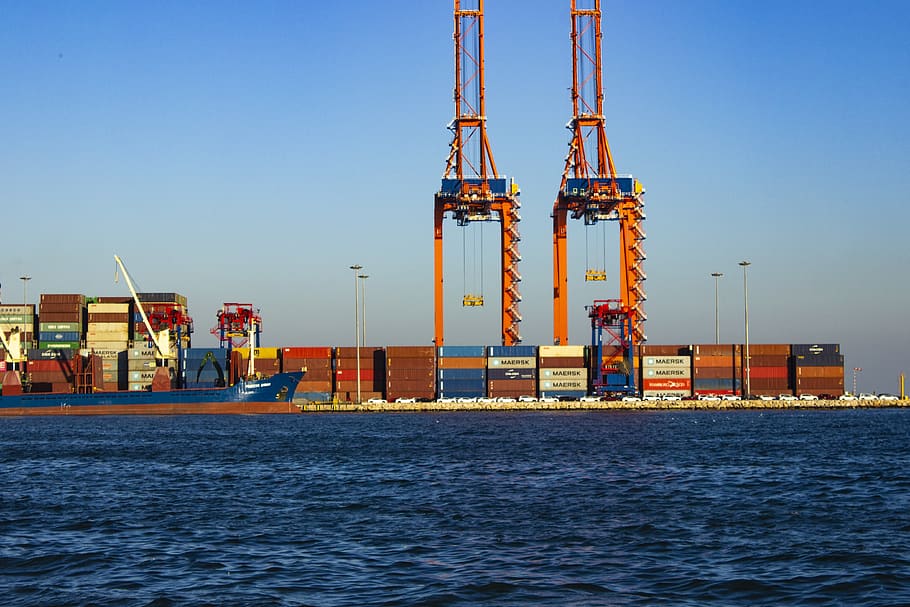
The textile industry, which has been adversely impacted by the free trade agreement between India and Bangladesh, has appealed to the government for assistance in limiting the import of garment and knitwear fabric from Bangladesh. They have also requested an opportunity to export goods to European countries without incurring any custom duty.

The industry has expressed its concern, labelling the upsurge in imports as a “serious threat” to the survival of both the local and domestic industry. According to a representative of the industry, the affordable and high-quality clothing from Bangladesh has dominated the domestic market for over a decade, being imported without any custom duty.

As per the textile industry association, the increase in imports from Bangladesh has resulted in a gradual decline in domestic production over the years, leading to a loss in revenue for the industry. The situation is said to be worsening over time.

Previous ArticleHow has BTRA ensured structural integrity of MTHL?
Next Article KTR appeals Telangana govt to support textile industry

Related Posts

Trident Group clinches best in-house Studio Award for a record fifth time at IBDA 2026

August 31, 2026

ITMA 2027 preview: How connected systems and automation are transforming apparel manufacturing

August 31, 2026

Gherzi Americas expands consulting team with four industry veterans

August 31, 2026
Recent Posts
  • Trident Group clinches best in-house Studio Award for a record fifth time at IBDA 2026
  • ITMA 2027 preview: How connected systems and automation are transforming apparel manufacturing
  • How Karl Mayer machines enable high-efficiency mosquito net production
  • Gherzi Americas expands consulting team with four industry veterans
  • AI –A friend & not enemy of textile industry
  • ITMA ASIA + CITME 2026 Shanghai showcases intelligent and sustainable manufacturing
  • Smart chemistry for textile innovations
  • Recombinant spider silk: Production, properties, and applications
Facebook X (Twitter) YouTube LinkedIn
  • About us
  • Contact us
  • Privacy Policy
  • Terms and Conditions

SISTER PUBLICATIONS

Construction World Equipment India Industrial Product Finder Infrastructure Today

© 2026 Indian Textile Journal. All Rights Reserved.

Type above and press Enter to search. Press Esc to cancel.