Close Menu
Indian Textile Journal
  • Home
  • Textile Machinery
    • Allied Equipment and Accessories
    • Automation
    • Dyeing, Processing & Finishing
    • Knitting
    • Printing
    • Spinning
    • Weaving
  • Tech Textiles
  • Sustainability
  • Resources
    • Trade Fair
    • Events
    • Videos
  • Interview & Opinion
  • Subscribe Now
  • Advertise
  • Digital
  • Apparels & Garments
  • Fibres & Raw Materials
  • Home Textiles
  • Industry Update
Facebook X (Twitter) YouTube LinkedIn
Indian Textile Journal
Epson
  • Home
  • Textile Machinery
    • Allied Equipment and Accessories
    • Automation
    • Dyeing, Processing & Finishing
    • Knitting
    • Printing
    • Spinning
    • Weaving
  • Tech Textiles
  • Sustainability
  • Resources
    • Trade Fair
    • Events
    • Videos
  • Interview & Opinion
  • Subscribe Now
  • Advertise
  • Digital
  • Apparels & Garments
  • Fibres & Raw Materials
  • Home Textiles
  • Industry Update
Indian Textile Journal
Home » PAU develops reusable BT cotton seeds
Industry Update

PAU develops reusable BT cotton seeds

By April 10, 20171 Min Read
Share Facebook Twitter LinkedIn WhatsApp Copy Link
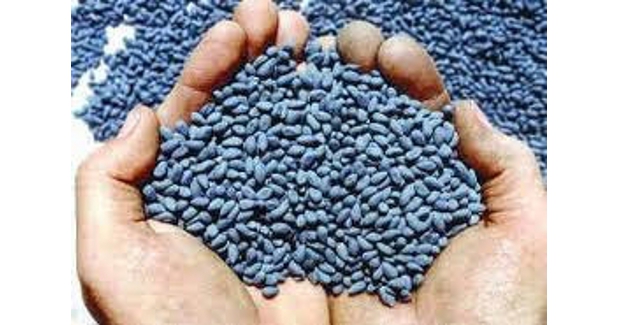
Punjab Agricultural University (PAU) has developed two varieties of BT cotton whose plant’s seed can be used in the next season and has become the first agriculture institute to develop reusable seeds. Once the Genetic-Engineering Appraisal Committee (GEAC) approves these seeds, these two varieties could be available to farmers by the 2018 cotton season.
"GEAC had given permission to Monsanto to commercially release hybrid Bollgard in 2002 and its patent had expired, so PAU felt the need to develop varieties, which would be out of the purview of patent," media reports quoted PAU board management member Satbir Singh Gosal as saying.
According to PAU, since a 450-gram packet of the hybrid BT cotton variety costs Rs 800 and a farmer uses two packets per acre, the farmer will save Rs 1,600 per acre.
"Tests have been conducted on these two varieties to evaluate quality and they have been found to be resistant to cotton leaf curl virus and are also anticipated to give yield equal to the current hybrid varieties," Gosal added.
Previous ArticleMutoh launches dye sublimation printer
Next Article Raymond to reposition four major brands

Related Posts

Bombay Dyeing curbs counterfeit sales in Hyderabad to safeguard consumers

July 21, 2026

CITI and EURATEX initiate India-EU textile and apparel dialogue to aid FTA rollout

July 20, 2026

Myntra integrates AI throughout customer discovery, seller onboarding, and product development

July 17, 2026
Recent Posts
  • Bombay Dyeing curbs counterfeit sales in Hyderabad to safeguard consumers
  • ColorJet Group named official technology partner for Bharat Tex 2026
  • RSWM shines at Bharat Tex 2026, wins CITI Sustainability Awards for data-driven excellence 
  • BTRA, MIDC ink MoU for India’s First 120 TPA carbon fibre technology demonstration plant in Amravati
  • How advanced netting solutions are cutting aquaculture losses: 6 keyways
  • Benninger AG and Grupo NS form strategic partnership to empower Brazil’s textile industry
  • CITI and EURATEX initiate India-EU textile and apparel dialogue to aid FTA rollout
  • Spinning circular economy into India’s textile future
Facebook X (Twitter) YouTube LinkedIn
  • About us
  • Contact us
  • Privacy Policy
  • Terms and Conditions

SISTER PUBLICATIONS

Construction World Equipment India Industrial Product Finder Infrastructure Today

© 2026 Indian Textile Journal. All Rights Reserved.

Type above and press Enter to search. Press Esc to cancel.