Close Menu
Indian Textile Journal
  • Home
  • Textile Machinery
    • Allied Equipment and Accessories
    • Automation
    • Dyeing, Processing & Finishing
    • Knitting
    • Printing
    • Spinning
    • Weaving
  • Tech Textiles
  • Sustainability
  • Resources
    • Trade Fair
    • Events
    • Videos
  • Interview & Opinion
  • Subscribe Now
  • Advertise
  • Digital
  • Apparels & Garments
  • Fibres & Raw Materials
  • Home Textiles
  • Industry Update
Facebook X (Twitter) YouTube LinkedIn
Indian Textile Journal
Epson
  • Home
  • Textile Machinery
    • Allied Equipment and Accessories
    • Automation
    • Dyeing, Processing & Finishing
    • Knitting
    • Printing
    • Spinning
    • Weaving
  • Tech Textiles
  • Sustainability
  • Resources
    • Trade Fair
    • Events
    • Videos
  • Interview & Opinion
  • Subscribe Now
  • Advertise
  • Digital
  • Apparels & Garments
  • Fibres & Raw Materials
  • Home Textiles
  • Industry Update
Indian Textile Journal
Home » Igyne uses antimicrobial technology to make kurti
Apparels & Garments

Igyne uses antimicrobial technology to make kurti

By August 1, 20212 Mins Read
Share Facebook Twitter LinkedIn WhatsApp Copy Link

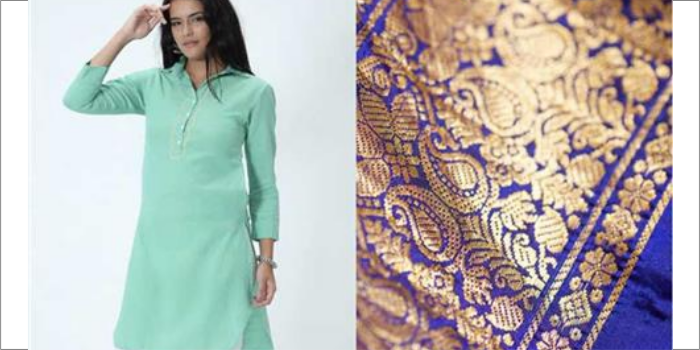
Igyne Fashion – Indian producer of kurtis, western and semi western tops, as well as other typical Indian traditional garments – has launched its first kurtis with Polygiene ViralOff antimicrobial technology. The products are distributed via web stores, general and own retail as well as wholesale covering all of India. Production will continue comings seasons, and volumes are planned to increase.

“We have chosen Polygiene ViralOff technology to add value to our different products. For us the sustainable approach of Polygiene plays a key role, as well as the reliable service and consistently high quality. We have seen an increased demand of products with antimicrobial effect during the pandemic, but also post-pandemic,” said Abhay Dahale, Founder of Igyne Fashion.

Ulrika Björk, CEO, Polygiene, added, “The potential is big for these types of garments commonly used across India, as well as the entire south Asia. Demand of antimicrobial textiles has increased during this tough time of the pandemic, and it has put Polygiene on the map in India. Additionally, we also see that our main business of Polygiene Stays Fresh technologies is coming back in the Indian market, that saw strong growth even before the pandemic.”

The kurti originates from the traditional long tunic Kurta that was used in the past in northern India and has since developed to a tunic worn by women throughout south Asia. Women typically have several kurtis in varied materials for use at different occasions.

Previous ArticleWülfing gets much MORE from Monforts
Next Article BRÜCKNER stenters help Elif Iplik to save cost and time

Related Posts

India’s roadmap to becoming a global apparel hub

August 18, 2026

Killer Jeans unveils ‘Genes of India’ AW26 Campaign Celebrating India’s Diversity Through Denim

August 17, 2026

Meenakshi India commits to doubling apparel production capacity by FY30

August 13, 2026
Recent Posts
  • Maspar introduces ‘Serene Haven’: Redefining soft living through sustainable, quiet luxury
  • Vipul Organics starts operations at greenfield facility in Sayakha, Gujarat
  • “The value of handloom lies precisely in the time, skill and human effort that goes into making it.”
  • India’s roadmap to becoming a global apparel hub
  • Latest Swedish textile machinery expansion at imogo
  • Maspar elevates Rakhi gifting with curated dining and hosting essentials
  • Vipul Organics Q1 FY27 PAT rises 99.75% as revenue grows 38.44%
  • Bombay Dyeing unveils festive elegance with Saughat, ethnicity and urban living collections
Facebook X (Twitter) YouTube LinkedIn
  • About us
  • Contact us
  • Privacy Policy
  • Terms and Conditions

SISTER PUBLICATIONS

Construction World Equipment India Industrial Product Finder Infrastructure Today

© 2026 Indian Textile Journal. All Rights Reserved.

Type above and press Enter to search. Press Esc to cancel.