Close Menu
Indian Textile Journal
  • Home
  • Textile Machinery
    • Allied Equipment and Accessories
    • Automation
    • Dyeing, Processing & Finishing
    • Knitting
    • Printing
    • Spinning
    • Weaving
  • Tech Textiles
  • Sustainability
  • Resources
    • Trade Fair
    • Events
    • Videos
  • Interview & Opinion
  • Subscribe Now
  • Advertise
  • Digital
  • Apparels & Garments
  • Fibres & Raw Materials
  • Home Textiles
  • Industry Update
Facebook X (Twitter) YouTube LinkedIn
Indian Textile Journal
Epson
  • Home
  • Textile Machinery
    • Allied Equipment and Accessories
    • Automation
    • Dyeing, Processing & Finishing
    • Knitting
    • Printing
    • Spinning
    • Weaving
  • Tech Textiles
  • Sustainability
  • Resources
    • Trade Fair
    • Events
    • Videos
  • Interview & Opinion
  • Subscribe Now
  • Advertise
  • Digital
  • Apparels & Garments
  • Fibres & Raw Materials
  • Home Textiles
  • Industry Update
Indian Textile Journal
Home » Igyne uses antimicrobial technology to make kurti
Apparels & Garments

Igyne uses antimicrobial technology to make kurti

By August 1, 20212 Mins Read
Share Facebook Twitter LinkedIn WhatsApp Copy Link

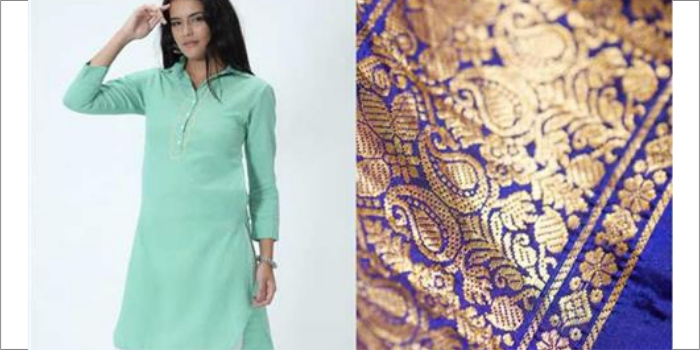
Igyne Fashion – Indian producer of kurtis, western and semi western tops, as well as other typical Indian traditional garments – has launched its first kurtis with Polygiene ViralOff antimicrobial technology. The products are distributed via web stores, general and own retail as well as wholesale covering all of India. Production will continue comings seasons, and volumes are planned to increase.

“We have chosen Polygiene ViralOff technology to add value to our different products. For us the sustainable approach of Polygiene plays a key role, as well as the reliable service and consistently high quality. We have seen an increased demand of products with antimicrobial effect during the pandemic, but also post-pandemic,” said Abhay Dahale, Founder of Igyne Fashion.

Ulrika Björk, CEO, Polygiene, added, “The potential is big for these types of garments commonly used across India, as well as the entire south Asia. Demand of antimicrobial textiles has increased during this tough time of the pandemic, and it has put Polygiene on the map in India. Additionally, we also see that our main business of Polygiene Stays Fresh technologies is coming back in the Indian market, that saw strong growth even before the pandemic.”

The kurti originates from the traditional long tunic Kurta that was used in the past in northern India and has since developed to a tunic worn by women throughout south Asia. Women typically have several kurtis in varied materials for use at different occasions.

Previous ArticleLevi Strauss & Co becomes U.S. Cotton Trust Protocol member
Next Article ENG opts for Truetzschler technology to foray into biodegradable nonwovens

Related Posts

Myntra’s Cares strengthens education for 400+ beneficiaries

November 17, 2026

Jeanologia and Sue Barrett reimagine camouflage codes in Common Ground

November 16, 2026

CMAI and NIFT VisioNxt team up to bring ai-driven fashion forecasting to apparel hubs

November 12, 2026
Recent Posts
  • Rieter’s COMPACT4 helps Nahar Spinning Mills increase productivity by up to 22%
  • inno-spin: Automating every move in the mill, from Sliver to Stock
  • Nonwoven wipe for cold weather decontamination
  • India is a key market for Swiss textile machinery firms: Cornelia Buchwalder
  • Maharashtra Cabinet approves key amendments to state textile policy
  • Role of textiles in molecular medicine
  • Managing the 5x Surge: Supply Chain Resilience for India’s Textile & D2C Fashion Brands
  • LMW: Complete Technology | Seamless Possibilities
Facebook X (Twitter) YouTube LinkedIn
  • About us
  • Contact us
  • Privacy Policy
  • Terms and Conditions

SISTER PUBLICATIONS

Construction World Equipment India Industrial Product Finder Infrastructure Today

© 2026 Indian Textile Journal. All Rights Reserved.

Type above and press Enter to search. Press Esc to cancel.