Close Menu
Indian Textile Journal
  • Home
  • Textile Machinery
    • Allied Equipment and Accessories
    • Automation
    • Dyeing, Processing & Finishing
    • Knitting
    • Printing
    • Spinning
    • Weaving
  • Tech Textiles
  • Sustainability
  • Resources
    • Trade Fair
    • Events
    • Videos
  • Interview & Opinion
  • Subscribe Now
  • Advertise
  • Digital
  • Apparels & Garments
  • Fibres & Raw Materials
  • Home Textiles
  • Industry Update
Facebook X (Twitter) YouTube LinkedIn
Indian Textile Journal
Epson
  • Home
  • Textile Machinery
    • Allied Equipment and Accessories
    • Automation
    • Dyeing, Processing & Finishing
    • Knitting
    • Printing
    • Spinning
    • Weaving
  • Tech Textiles
  • Sustainability
  • Resources
    • Trade Fair
    • Events
    • Videos
  • Interview & Opinion
  • Subscribe Now
  • Advertise
  • Digital
  • Apparels & Garments
  • Fibres & Raw Materials
  • Home Textiles
  • Industry Update
Indian Textile Journal
Home » Effluent discharge norms too stringent?
Apparels & Garments

Effluent discharge norms too stringent?

By February 1, 20162 Mins Read
Share Facebook Twitter LinkedIn WhatsApp Copy Link

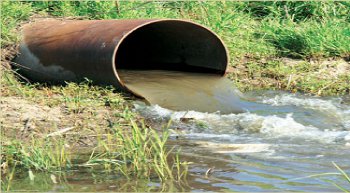
Raising serious concerns over an Environment Ministry?s proposal to mandate virtually all the textile units to reduce their effluent discharge to zero, the Textiles Ministry in India has asked to review the proposal as it could lead to closure of many units.

In a letter to the Ministry of Environment and Forests, Textiles Secretary SK Panda has said the proposed standards are ?too stringent? and it would make the zero liquid discharge commercially non-viable. The secretary also said insisting on zero liquid discharge standards will lead to closure of the industry and due to that people may lose their jobs.

The proposed standards seek to lay down zero liquid discharge for textile processing units where water discharge is greater than 25 KLD (kilolitres per day). The Textiles Ministry has argued the domestic processing industry is largely unorganised and consists of small and medium units. The proposed norms are stringent in terms of capital investment and it would also have high recurring expenditure.

The domestic industry has already raised their concerns on the move. They have requested to review the proposed environmental standards. Speaking on the issue, the outgoing secretary Panda says the norms could be implemented in a phased manner. The Textiles Ministry has held several meetings with the industry representatives, textile research associations and Indian Institute of Technology on the issue. A committee has already been formed for studying the existing technologies of effluent treatment.

Previous ArticleTN powerlooms seek cut in VAT on yarn
Next Article Spille heads ContiTech Air Spring Systems

Related Posts

KKCL opens first family store in Chhatrapati Sambhajinagar

July 1, 2026

Zivame opens new franchise store in Jabalpur

July 1, 2026

VIRGIO bets on made-on-demand fashion to build a global demand-led brand

June 26, 2026
Recent Posts
  • MANTRA to develop indigenous geo-grid coating line
  • VIRGIO names Hansa Nigam as Chief Marketing Officer
  • Global trade and technical collaboration in textile sector                
  • Expanding the horizons of premium stretch warp knitting with KARL MAYER’s HKS 2-SE
  • Italian textile machinery leads sector revival through innovation and sustainability
  • Weave The Future launches national innovation challenge to tackle textile waste
  • Indian cotton sector in play
  • Voltas’ UMPESL joins hands with DANITECH to advance textile innovation in India
Facebook X (Twitter) YouTube LinkedIn
  • About us
  • Contact us
  • Privacy Policy
  • Terms and Conditions

SISTER PUBLICATIONS

Construction World Equipment India Industrial Product Finder Infrastructure Today

© 2026 Indian Textile Journal. All Rights Reserved.

Type above and press Enter to search. Press Esc to cancel.