Close Menu
Indian Textile Journal
  • Home
  • Textile Machinery
    • Allied Equipment and Accessories
    • Automation
    • Dyeing, Processing & Finishing
    • Knitting
    • Printing
    • Spinning
    • Weaving
  • Tech Textiles
  • Sustainability
  • Resources
    • Trade Fair
    • Events
    • Videos
  • Interview & Opinion
  • Subscribe Now
  • Advertise
  • Digital
  • Apparels & Garments
  • Fibres & Raw Materials
  • Home Textiles
  • Industry Update
Facebook X (Twitter) YouTube LinkedIn
Indian Textile Journal
Epson
  • Home
  • Textile Machinery
    • Allied Equipment and Accessories
    • Automation
    • Dyeing, Processing & Finishing
    • Knitting
    • Printing
    • Spinning
    • Weaving
  • Tech Textiles
  • Sustainability
  • Resources
    • Trade Fair
    • Events
    • Videos
  • Interview & Opinion
  • Subscribe Now
  • Advertise
  • Digital
  • Apparels & Garments
  • Fibres & Raw Materials
  • Home Textiles
  • Industry Update
Indian Textile Journal
Home » Cotton-growing regions face risk of severe climate
Industry Update

Cotton-growing regions face risk of severe climate

By June 26, 20212 Mins Read
Share Facebook Twitter LinkedIn WhatsApp Copy Link

Mumbai

Climate changes can affect half of the
global cotton-growing regions by 2040. These regions could be exposed to
extreme weather events, changes in rainfall, and high risks from temperature
increases.

According to a global study, all global
cotton-growing regions will be exposed to an increased risk of one or the other
climate hazard due to the worst-case climate scenario by 2040. As per the study
conducted by the Cotton 2040 initiative and climate-risk specialists
Acclimatise, part of Willis Towers Watson’s Climate and Resilience Hub, it was
revealed that the temperature increase ranges from very low to very high risk.

It is also seen that most of the countries,
including India miss emission reduction commitments and targets which gives a
warning of more than 3C by the end of this century. This climate change and
disruption are unavoidable even with the success of decarbonization. As per
Alastair Baglee, Director, Corporates – Climate & Resilience Hub, Willis
Tower Watson, the world should prepare today if the impact of climate change on
society is to be limited.

The study also said that for the global
textile market, cotton comprises 31% of the raw material and it
has an economic impact of $600 billion every year. Indian cotton is majorly
grown on small farms of less than 1 hectare. The study had a special focus on
Telangana, Maharashtra, and Gujarat for cotton cultivation.

Source – Business Standard

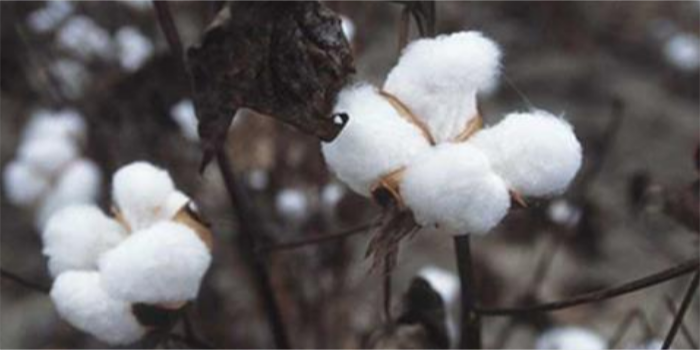
Image Source: Wikipedia

Also Read:

https://indiantextilejournal.com/latest-textile-industry-news/cai-reduces-may-estimate-of-cotton-crop

https://indiantextilejournal.com/latest-textile-industry-news/usda–india-s-cotton-production-to-grow-by-4-


Previous ArticleMahlo to detect distortion in textile application
Next Article Kitex sends Rs 1 billion notice to MLA for false accusation

Related Posts

The road to scale insights from ITMAconnect on textile circularity

July 28, 2026

Italian textile machinery orders rebound 25% in Q2 2026

July 28, 2026

Bombay Dyeing curbs counterfeit sales in Hyderabad to safeguard consumers

July 21, 2026
Recent Posts
  • Rahul Mehta: India to get standardised apparel sizing as govt moves towards uniform clothing measurements
  • Groz-Beckert set to present latest textile innovations at CINTE Techtextil China 2026
  • CAI raises cotton pressing estimate to 337 lakh bales
  • The road to scale insights from ITMAconnect on textile circularity
  • Why easy-care clothing is a monsoon essential
  • TechnoSport unveils FeatherLite™ at Punit Balan Group Satara Half Hill Marathon
  • Italian textile machinery orders rebound 25% in Q2 2026
  • The missing pavilion at Bharat Tex 2026
Facebook X (Twitter) YouTube LinkedIn
  • About us
  • Contact us
  • Privacy Policy
  • Terms and Conditions

SISTER PUBLICATIONS

Construction World Equipment India Industrial Product Finder Infrastructure Today

© 2026 Indian Textile Journal. All Rights Reserved.

Type above and press Enter to search. Press Esc to cancel.