


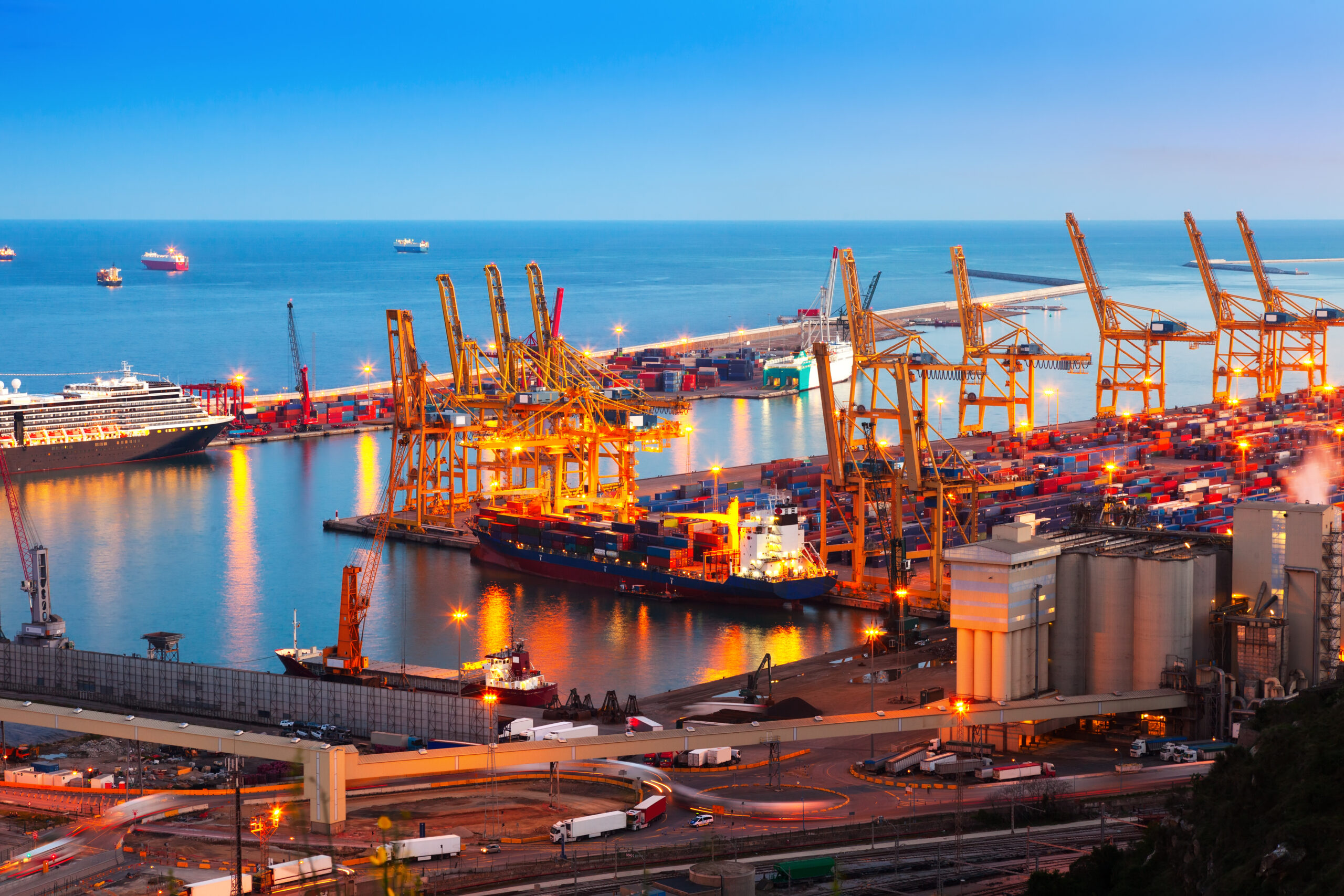
Freight spikes, LPG shortages and yarn price surge squeeze knitwear hub.
The ongoing conflict in West Asia is beginning to disrupt India’s key textile export centres, with Tiruppur—one of the country’s largest knitwear hubs—facing rising input costs, shipping delays and fuel shortages.
Often referred to as India’s “Dollar Town”, Tiruppur accounts for nearly 70% of India’s knitwear exports and supports an export ecosystem worth nearly $5 billion, employing more than a million workers across garment manufacturing, processing, dyeing and ancillary units.
“We did about Rs 45,000 crore last year…we are doing around 70% of the Indian knitwear exports from Tiruppur,” said Dr A Sakthivel, Chairman of the Apparel Export Promotion Council (AEPC). He added that the cluster includes nearly 5,000 units across exporters, dyeing and processing facilities.
One of the immediate challenges is the sharp rise in the price of commercial LPG cylinders, widely used in dyeing and processing operations.
“Commercial cylinders which were earlier ₹2,000 for 19 kilo cylinder, now it is Rs 4,000, almost double. And even if you are ready to pay, we cannot get it on time,” said KM Subramanian, President of the Tiruppur Exporters’ Association (TEA).
Sakthivel noted that dyeing units rely heavily on LPG, adding, “Dyeing units depend at least 50% on LPG.”
Exporters say petroleum-linked price increases are also impacting packaging materials such as polybags and hangers, further pressuring margins. Tiruppur’s exporters typically operate on thin margins of 5–10%, and rising costs are eroding profitability.
“We are losing around 10 to 15% margin,” Subramanian said.
Adding to the strain is the surge in yarn prices. “In the last 15 days the biggest problem is yarn price increase, it is about 20 to 25% increase,” Sakthivel said. Industry bodies have urged the government to remove the 11% customs duty on cotton imports to improve competitiveness against Bangladesh and Vietnam.
Shipping disruptions are also pushing up freight costs. “One container to the US used to cost around $2,000. Now it costs around $6,000,” said Sunil Jhunjhunwala, Co-Founder and Managing Director of TechnoSport.
He said synthetic raw material costs have risen 40–50%, while buyers are delaying confirmations amid uncertainty. Industry leaders warn prolonged disruption could impact MSMEs and workers, especially migrant labourers already struggling with rising LPG prices.
Source: CNBC TV18