


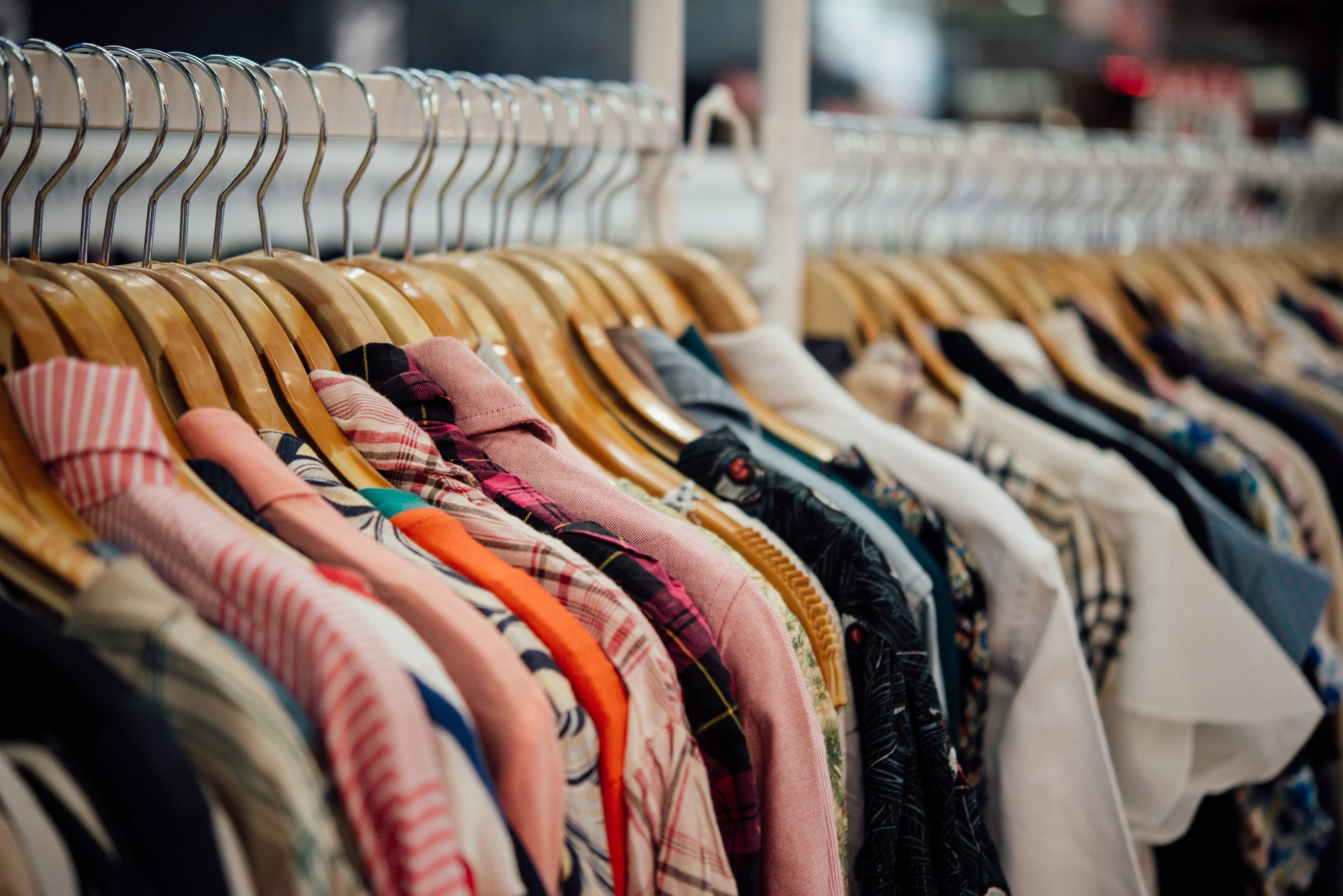
Tiruppur has received orders for a range of knitted garments, such as kids’ wear, nightwear, tops, and pyjamas from these international brands over the last fortnight.
In the past two weeks, the Tiruppur knitwear export hub secured export orders worth ₹450 crore from Bangladesh, influenced by political instability there. Major global brands, including Germany’s KiK, the Netherlands’ Zeeman, and Poland’s Pepco, placed these orders, which are set to be delivered before Christmas and New Year. KM Subramanian, the president of the Tiruppur Exporters’ Association (TEA), noted that the average price for the garments ordered is approximately $3.
Tiruppur has received orders for a range of knitted garments, such as kids’ wear, nightwear, tops, and pyjamas from these international brands over the last fortnight. According to Subramanian, this situation is unprecedented. Typically, global brands place orders for spring and fall seasons in December-January and for Christmas and New Year demand during June-July.
Similarly, the Noida Apparel Export Cluster ( has experienced a 15 per cent increase in orders from Zara in the past month compared to the same period last year. Zara is interested in purchasing women’s tops and dresses priced between $5 and $9, as stated by Lalit Thukral, NAEC’s president. Thukral mentioned that Zara has requested delivery within 60 days, which is unusual for this time of year and represents fresh orders.
A Sakthivel, head of the southern region of the Apparel Export Promotion Council, reported that Tiruppur has recently received new orders from global brands, some of which have redirected their orders from Bangladesh to India. He mentioned that if India had a free trade agreement (FTA) with the European Union (EU), there could have been even more orders from global brands. Sakthivel emphasized that securing an FTA with the EU would enhance India’s ability to attract additional orders, noting that Bangladesh’s existing FTA with the EU has significantly benefited them.
KM Subramanian, president of the Tiruppur Exporters’ Association, stated that global brands have selected ten new knitwear factories in Tiruppur for social auditing. This development suggests that these brands are likely to increase their orders for Tiruppur. The auditing process is expected to be completed by the third week of September, and if these factories meet global standards, Tiruppur could see a rise in orders in the New Year. For the fiscal year 2024 (FY24), India exported apparel worth $14.5 billion. In the first quarter of fiscal year 2025 (FY25), India’s readymade garment exports amounted to $3.9 billion, while Bangladesh’s exports reached $9.7 billion.
CareEdge Ratings observed that Bangladesh’s readymade garment exports for FY24 were approximately 3.2 times those of India. However, in the first quarter of FY25, this ratio reduced to around 2.5 times, indicating that India is making inroads into the demand for apparel previously dominated by Bangladesh.
News Source: Economic Times