Close Menu
Indian Textile Journal
  • Home
  • Textile Machinery
    • Allied Equipment and Accessories
    • Automation
    • Dyeing, Processing & Finishing
    • Knitting
    • Printing
    • Spinning
    • Weaving
  • Tech Textiles
  • Sustainability
  • Resources
    • Trade Fair
    • Events
    • Videos
  • Interview & Opinion
  • Subscribe Now
  • Advertise
  • Digital
  • Apparels & Garments
  • Fibres & Raw Materials
  • Home Textiles
  • Industry Update
Facebook X (Twitter) YouTube LinkedIn
Indian Textile Journal
Epson
  • Home
  • Textile Machinery
    • Allied Equipment and Accessories
    • Automation
    • Dyeing, Processing & Finishing
    • Knitting
    • Printing
    • Spinning
    • Weaving
  • Tech Textiles
  • Sustainability
  • Resources
    • Trade Fair
    • Events
    • Videos
  • Interview & Opinion
  • Subscribe Now
  • Advertise
  • Digital
  • Apparels & Garments
  • Fibres & Raw Materials
  • Home Textiles
  • Industry Update
Indian Textile Journal
Home » $42-mn subsidy revives Zimbabwe cotton
Industry Update

$42-mn subsidy revives Zimbabwe cotton

By July 4, 20172 Mins Read
Share Facebook Twitter LinkedIn WhatsApp Copy Link

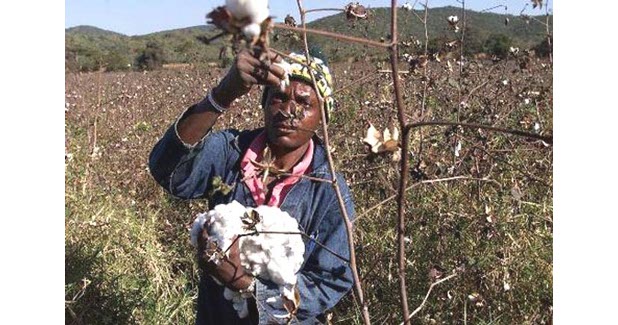
Zimbabwe’s cotton sector is going through revival following a $42 million input subsidy availed by the Government, which saw renewed interest in production from thousands of small scale farmers in major producing areas across the country. About 350 000 households received frees inputs from the Government, enough to establish a minimum hectarage of two. The scheme, which has a three year horizon started in 2015 and ends next year.

Last year, Zimbabwe produced about 30 000 tonnes of cotton, according to the Ministry of Agriculture, the lowest crop size in 24 years. The success of cotton in Zimbabwe was built around the Cottco inputs credit scheme which started in 1992 and ensured that farmers received adequate funding, agronomic support and quality incentives resulting in 95 percent of production coming through the contract scheme. However, the opening up of the sector to new players was the death knell for Zimbabwean cotton. From being one of global cotton’s top quality producers the sector had virtually collapsed with production levels falling to less than 10 percent of normal volumes. Yields crashed, thereby killing off viability and increasing levels of side-marketing. This created a toxic downward spiral of low yields, high side marketing and low inputs support.

But, now some of the country’s major cotton producing areas show vast tracts of land have been turned into "white fields."

Previous ArticleIFC assists Vietnam in resources saving
Next Article Recycled indigo yarns by UNITIN

Related Posts

VIRGIO names Hansa Nigam as Chief Marketing Officer

July 7, 2026

Global trade and technical collaboration in textile sector                

July 7, 2026

Italian textile machinery leads sector revival through innovation and sustainability

July 2, 2026
Recent Posts
  • Cotton research attracting high achieving undergraduates
  • Yamuna Machine and MANTRA to develop indigenous geo-grid coating line
  • VIRGIO names Hansa Nigam as Chief Marketing Officer
  • Global trade and technical collaboration in textile sector                
  • Expanding the horizons of premium stretch warp knitting with KARL MAYER’s HKS 2-SE
  • Italian textile machinery leads sector revival through innovation and sustainability
  • Weave The Future launches national innovation challenge to tackle textile waste
  • Indian cotton sector in play
Facebook X (Twitter) YouTube LinkedIn
  • About us
  • Contact us
  • Privacy Policy
  • Terms and Conditions

SISTER PUBLICATIONS

Construction World Equipment India Industrial Product Finder Infrastructure Today

© 2026 Indian Textile Journal. All Rights Reserved.

Type above and press Enter to search. Press Esc to cancel.