Close Menu
Indian Textile Journal
  • Home
  • Market and Economy
    • Apparels & Garments
    • Fibres & Raw Materials
    • Home Textiles
    • Industry Update
  • Textile Machinery
    • Allied Equipment and Accessories
    • Automation
    • Dyeing, Processing & Finishing
    • Knitting
    • Printing
    • Spinning
    • Weaving
  • Tech Textiles
  • Sustainability
  • Resources
    • Trade Fair
    • Events
    • Videos
  • Interview & Opinion
  • Subscribe Now
  • Advertise
  • Digital
Facebook X (Twitter) YouTube LinkedIn
Indian Textile Journal
Epson
  • Home
  • Market and Economy
    • Apparels & Garments
    • Fibres & Raw Materials
    • Home Textiles
    • Industry Update
  • Textile Machinery
    • Allied Equipment and Accessories
    • Automation
    • Dyeing, Processing & Finishing
    • Knitting
    • Printing
    • Spinning
    • Weaving
  • Tech Textiles
  • Sustainability
  • Resources
    • Trade Fair
    • Events
    • Videos
  • Interview & Opinion
  • Subscribe Now
  • Advertise
  • Digital
Indian Textile Journal
Home » Worries over Vietnam garment export
Industry Update

Worries over Vietnam garment export

By September 22, 20161 Min Read
Share Facebook Twitter LinkedIn WhatsApp Copy Link
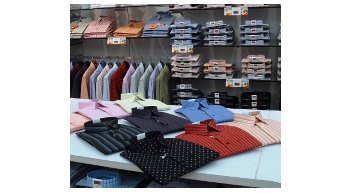
Garment exports from Vietnam has been falling in the recent past. For example, Thanh Cong Garment, one of a few Vietnamese garment companies that owns a yarn – fabric – garment production line that has a strong demand from South Korea and the US, has seen a contracts decrease considerably from foreign partners in the first six months of the year. 
The annual revenue from fabric accounts for 10 per cent of net revenue, while yarn brings 30-40 per cent and garment 50 per cent of revenue. The company’s revenue in the first six months of the year increased compared with the same period last year but its post-tax profit dropped sharply by 42 per cent from VND 86 billion to VND 50 billion. The company’s business efficiency also fell, with gross margin down.
Many Vietnamese companies are losing orders to companies in Laos, Myanmar and Bangladesh that have the advantage of making products at lower prices thanks to preferential tariffs offered by some large markets. Vietnam may have the same preferences obtained by 2018 if the TPP is ratified. 
Previous Article2 biggest textile markets by 2030!
Next Article UK scheme to boost textile sector

Related Posts

N D Mhatre honoured with Certificate of International Excellence

June 25, 2026

India’s textile sector posts 2.1% growth in FY25-26

June 15, 2026

RSWM retains IND A rating as outlook turns stable

June 12, 2026
Recent Posts
  • Seven years of proven performance: Consistent effluent quality, stable flux & permeability, and exceptional operational reliability
  • CMAI’s 83rd NGF Kidswear edition drives strong festive business momentum
  • FiberTect wipe as a standby in FIFA world cup football games
  • N D Mhatre honoured with Certificate of International Excellence
  • From Waste Fabric to New Yarn: Why Material Origin Matters in Textile Recycling   
  • Recycled fibres: the vital data for quality and profitability
  • Turning tariff relief into quality advantage in New Zealand 
  • Why texture has become the new currency of luxury interiors
Facebook X (Twitter) YouTube LinkedIn
  • About us
  • Contact us
  • Privacy Policy
  • Terms and Conditions

SISTER PUBLICATIONS

Construction World Equipment India Industrial Product Finder Infrastructure Today

© 2026 Indian Textile Journal. All Rights Reserved.

Type above and press Enter to search. Press Esc to cancel.