Close Menu
Indian Textile Journal
  • Home
  • Market and Economy
    • Apparels & Garments
    • Fibres & Raw Materials
    • Home Textiles
    • Industry Update
  • Textile Machinery
    • Allied Equipment and Accessories
    • Automation
    • Dyeing, Processing & Finishing
    • Knitting
    • Printing
    • Spinning
    • Weaving
  • Tech Textiles
  • Sustainability
  • Resources
    • Trade Fair
    • Events
    • Videos
  • Interview & Opinion
  • Subscribe Now
  • Advertise
  • Digital
Facebook X (Twitter) YouTube LinkedIn
Indian Textile Journal
Epson
  • Home
  • Market and Economy
    • Apparels & Garments
    • Fibres & Raw Materials
    • Home Textiles
    • Industry Update
  • Textile Machinery
    • Allied Equipment and Accessories
    • Automation
    • Dyeing, Processing & Finishing
    • Knitting
    • Printing
    • Spinning
    • Weaving
  • Tech Textiles
  • Sustainability
  • Resources
    • Trade Fair
    • Events
    • Videos
  • Interview & Opinion
  • Subscribe Now
  • Advertise
  • Digital
Indian Textile Journal
Home » Weavers’ association seeks delay in BIS rules to safeguard textile growth
Weaving

Weavers’ association seeks delay in BIS rules to safeguard textile growth

By January 28, 20251 Min Read
Share Facebook Twitter LinkedIn WhatsApp Copy Link

The association warned that immediate implementation of BIS standards could disrupt the textile sector’s growth, posing significant challenges for industrialists and affecting the industry’s competitive edge.

The Federation of Gujarat Weavers Welfare Association (FOGWWA) has urged the Union Textile Ministry to postpone the implementation of the Bureau of Indian Standards (BIS) for textile machinery until March 2027. This appeal was made directly to the Union Textile Minister, Giriraj Singh, in New Delhi.

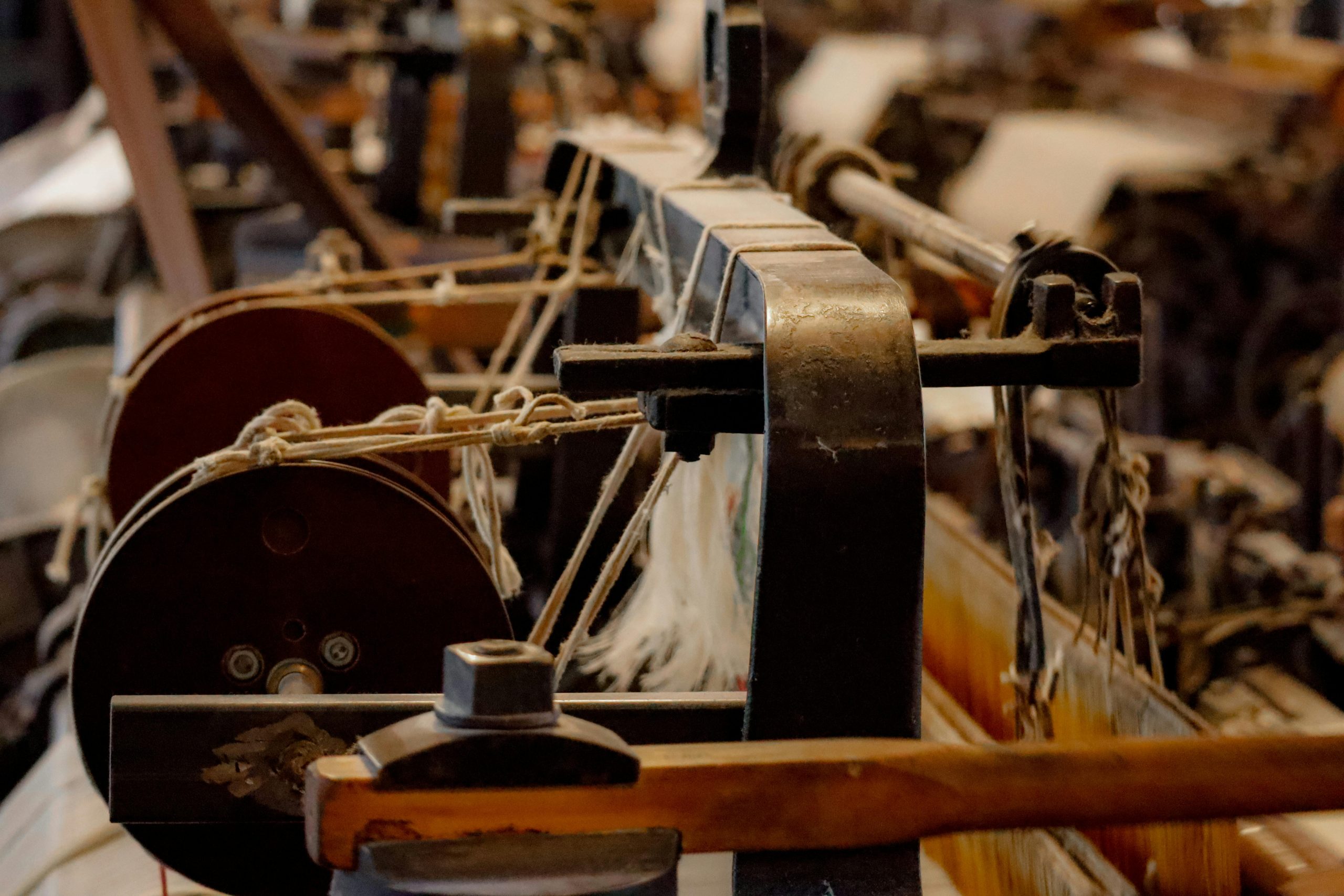
FOGWWA highlighted the textile industry’s dependence on high-speed, modern technology machines that are primarily imported, as no domestic manufacturers currently produce such advanced equipment. Attempts by local manufacturers to develop these machines have reportedly been unsuccessful.

The association warned that immediate implementation of BIS standards could disrupt the textile sector’s growth, posing significant challenges for industrialists and affecting the industry’s competitive edge. Concerns were raised about potential declines in fabric exports, reduced employment opportunities, and challenges in competing with global textile producers such as China.

The appeal emphasised the need to balance standardisation efforts with maintaining industrial competitiveness in a sector that is steadily expanding and adopting new technologies. FOGWWA’s request aims to allow time for the domestic textile machinery ecosystem to strengthen and develop advanced manufacturing capabilities.

Previous ArticleTextile mills urge special power tariff to boost home-grown industries
Next Article Vinay Thadani: The government can levy a reasonable import tax on certain essential commodities

Related Posts

PDS earns Great Place to Work recognition in 10 countries

June 2, 2026

Textile Tech Meets Istanbul

May 19, 2026

Keyur Panchal: We don’t push catalogue machines — we engineer solutions.

May 18, 2026
Recent Posts
  • India’s textile sector posts 2.1% growth in FY25-26
  • RSWM retains IND A rating as outlook turns stable
  • Mumbai welcomes back HGH India 2026
  • Vipul Organics teams up with OMYA for European pigment distribution
  • ITM Istanbul 2026: ColorJet’s visibility extends across the entire exhibition
  • CMAI kidswear fair sees record participation 
  • Clean energy shift may save Tamil Nadu textiles Rs 32.50 billion
  • Spykar plans pan-India offline expansion with 100 new stores in two years
Facebook X (Twitter) YouTube LinkedIn
  • About us
  • Contact us
  • Privacy Policy
  • Terms and Conditions

SISTER PUBLICATIONS

Construction World Equipment India Industrial Product Finder Infrastructure Today

© 2026 Indian Textile Journal. All Rights Reserved.

Type above and press Enter to search. Press Esc to cancel.